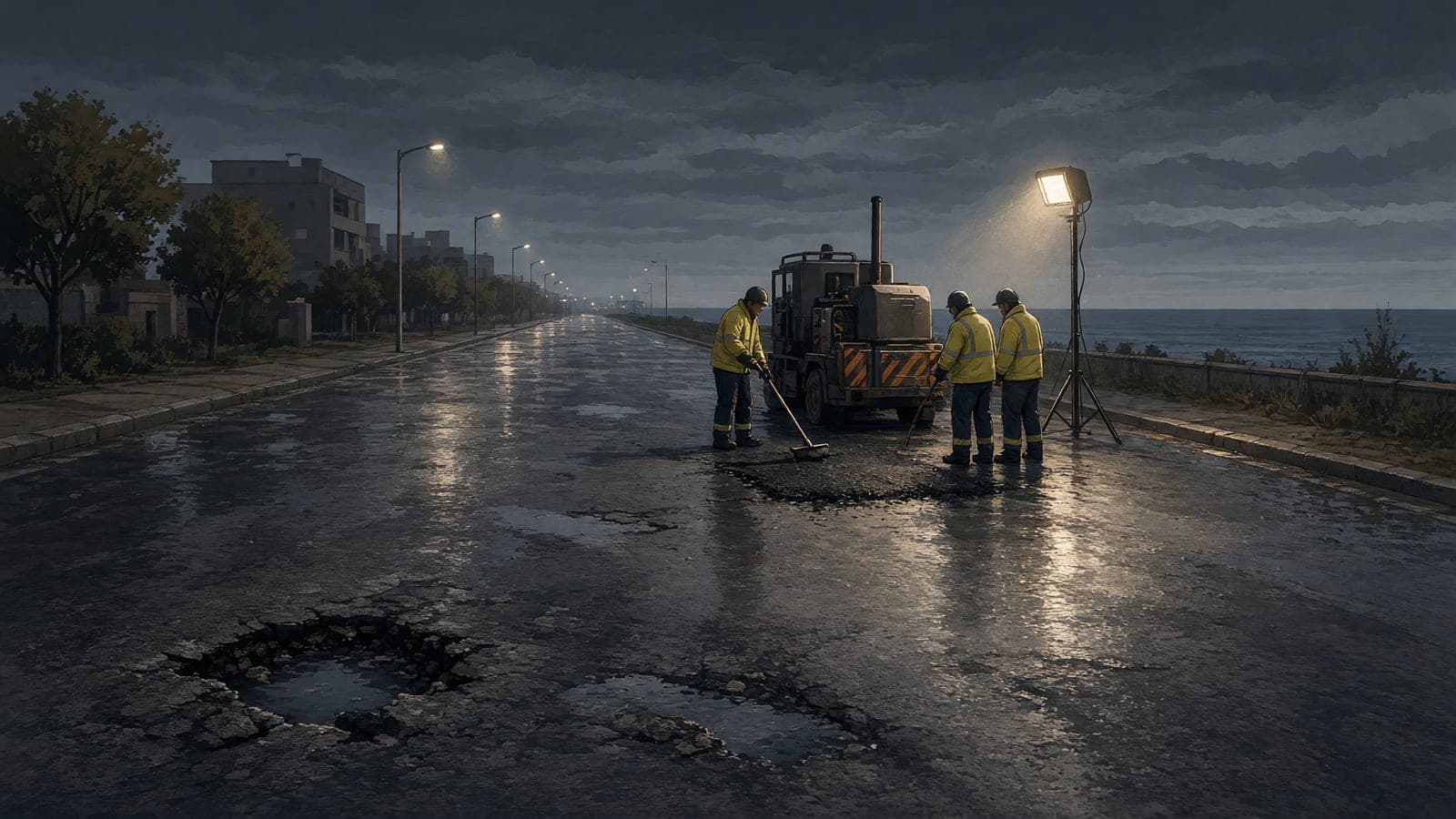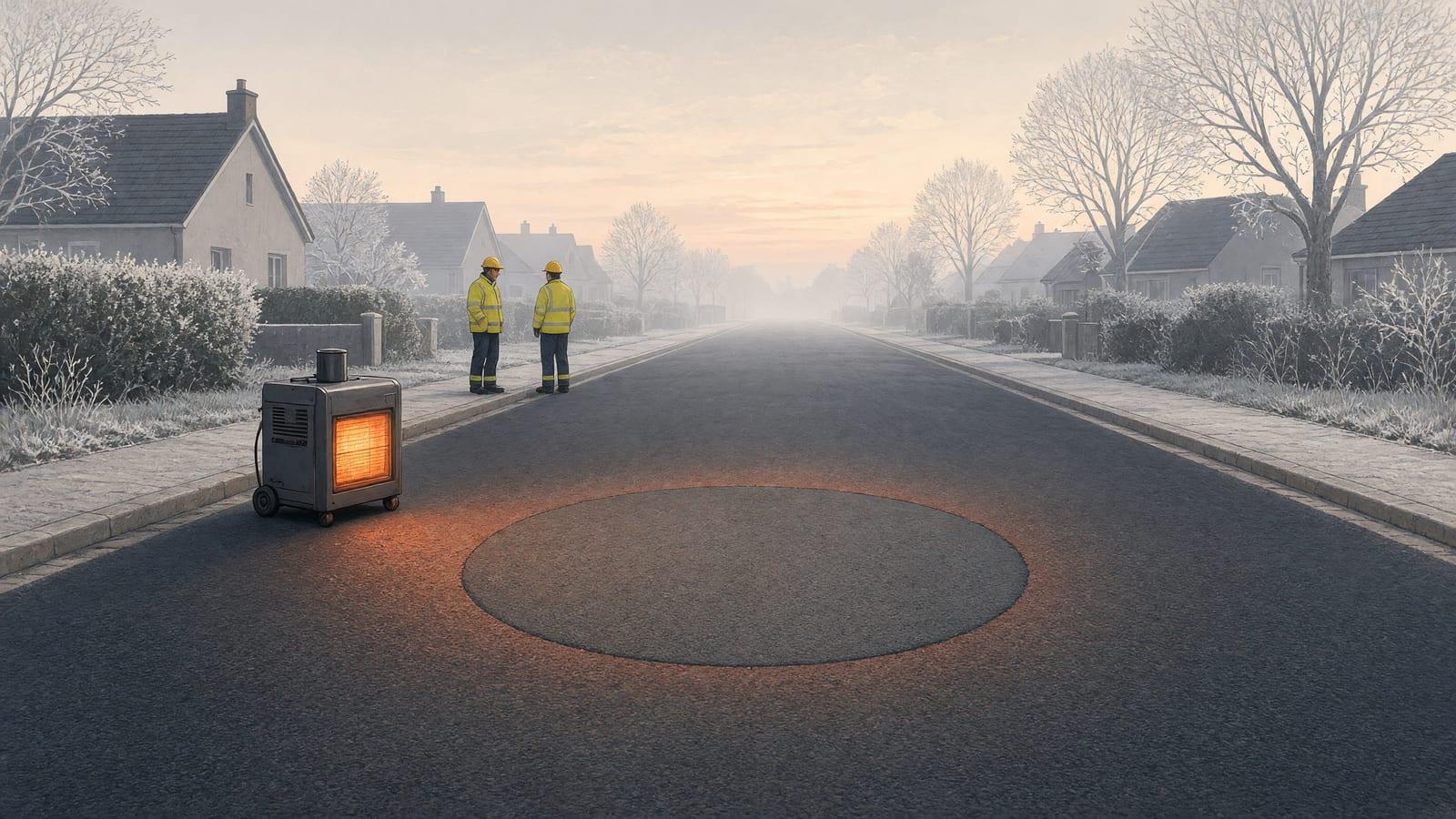
Swindon Borough Council wants to stop fixing the same potholes over and over. The council is rolling out thermal road repair across the borough after a trial last year, according to the Swindon Advertiser and the council.
What Swindon is doing
Thermal road repair uses infrared heat to soften the top layer of the existing road, rework it, and add a small amount of new material to fill what's missing. Councillor Nick Gardiner, cabinet member for highways and transport, said the old approach was too "reactive," describing crews "just slapping some asphalt in a hole" as a short-term fix. The goal now, he said, is a repair that is "not going to blister out in the first freeze that comes along."

The work started in Ridgeway and Wroughton, focusing on roads where new lining is planned, and the council hopes to cover the whole town over time. Gardiner said repairs from last year's trial still look like they were done "last week." The work is part of a programme of more than £650,000 that also covers footpaths, road markings, and gully cleaning, with £200,000 set aside for reactive pothole repairs.
Two kinds of pothole work
Swindon's approach highlights something every highway team knows: there are two different jobs. Planned repairs cover larger stretches, scheduled ahead of lining or resurfacing. Reactive repairs are the holes that open overnight after a hard frost or heavy rain and need fixing today.
Both jobs deserve repairs that last. For planned sections, councils can choose the method that suits the road. For reactive holes, crews need something they can carry on the truck and use anywhere, in any season.
Where Ambient® fits
EZ STREET® Ambient® Asphalt is engineered for that reactive work. It needs no heating equipment and no tack coat. It goes into wet holes, bonds to asphalt and concrete, and opens to traffic once compacted. Because it's thermally resilient, it holds up through freeze-thaw cycles instead of breaking out after the first cold snap, which is exactly the problem Swindon is trying to solve.
The lesson from Swindon
- Stop budgeting for repeat repairs. Cheap fixes that fail aren't cheap.
- Match the method to the job. Planned sections and emergency holes have different needs.
- Judge every repair by the spring test. If it's still there after winter, it worked.
Swindon's message is clear: better repairs mean fewer repeat visits. That goes for every hole, planned or not. Learn more at ezstreetasphalt.com.
Source notes: Swindon Advertiser (November 2026); Swindon Borough Council (November 6, 2026).