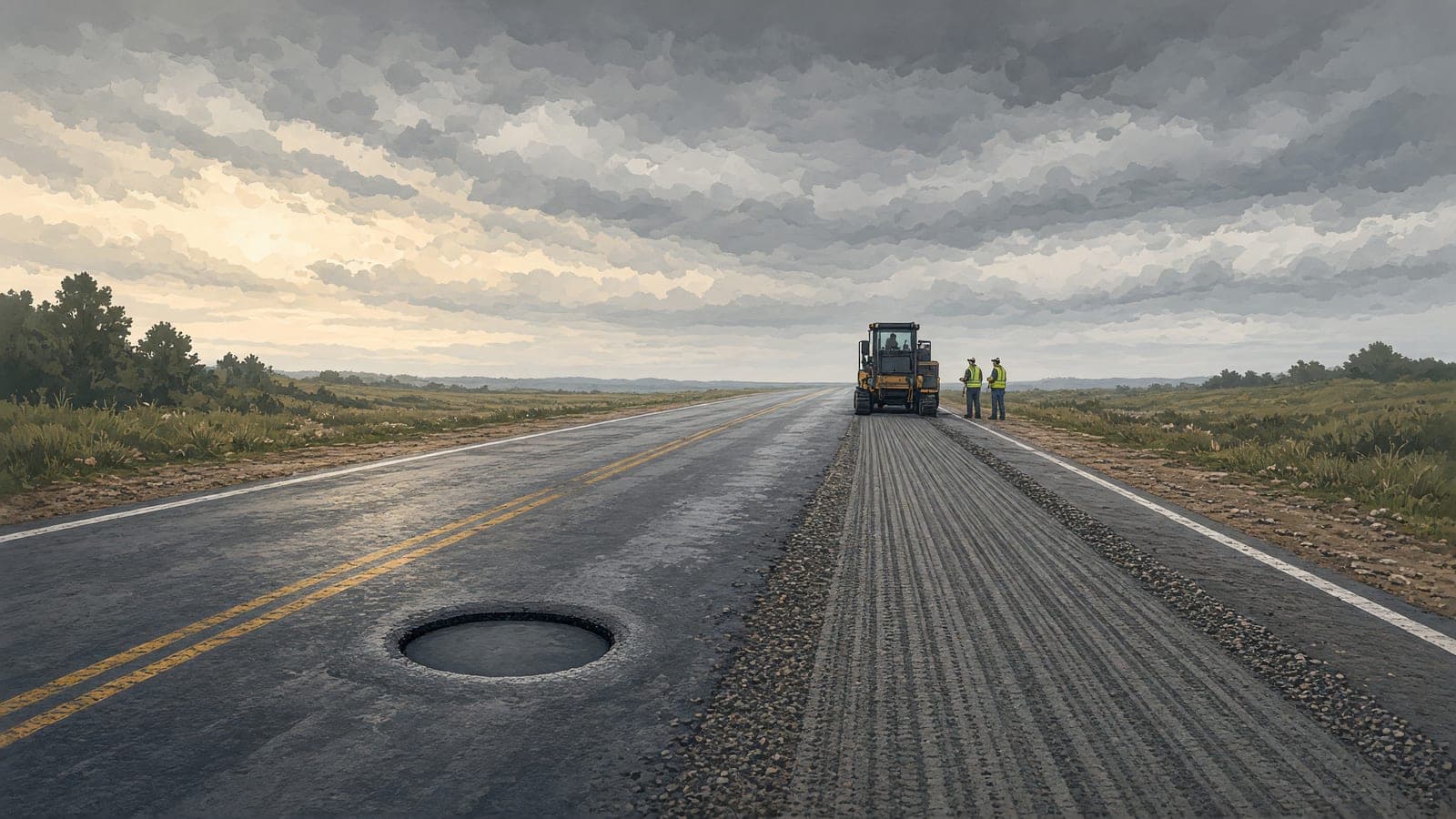
Across Mexico, pothole repair, known as bacheo, is moving from emergency response to everyday routine. This month, several cities reported big numbers and new approaches as the rainy season winds down.
Toluca goes continuous
In Toluca, Mayor Ricardo Moreno announced on October 1 that the city's bacheo program would become an ongoing operation instead of an emergency one. According to the city, crews have repaired 72,000 potholes so far, with a remaining inventory of about 5,000 reported by residents. Starting in the third week of October, its 48 repair brigades began operating without interruption. Every job since January 2025 is logged in a public digital system, Portal Toluca, so residents can see where the money goes.
Chihuahua, Tijuana and Nogales step up
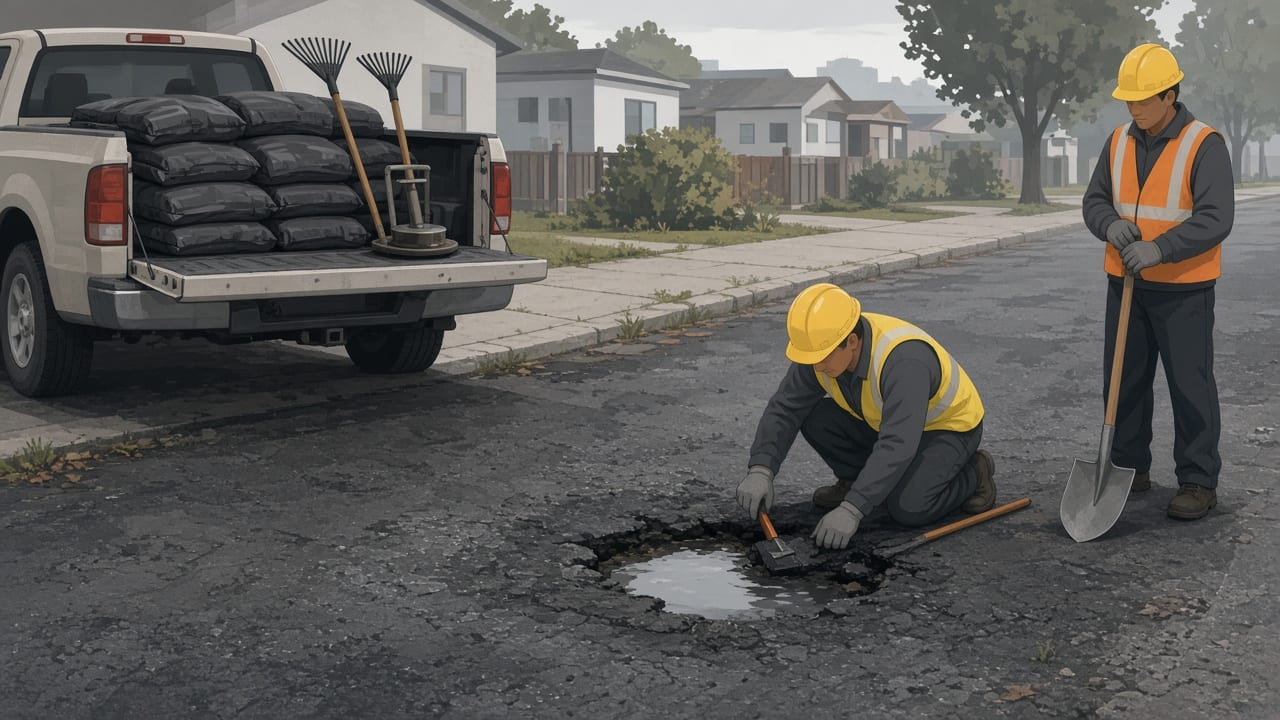
Other cities are moving fast too. Chihuahua's municipal government reported 2,579 potholes repaired between October 19 and 23, roughly 516 a day, according to Chihuahua ES!. Residents can report holes by calling 072.
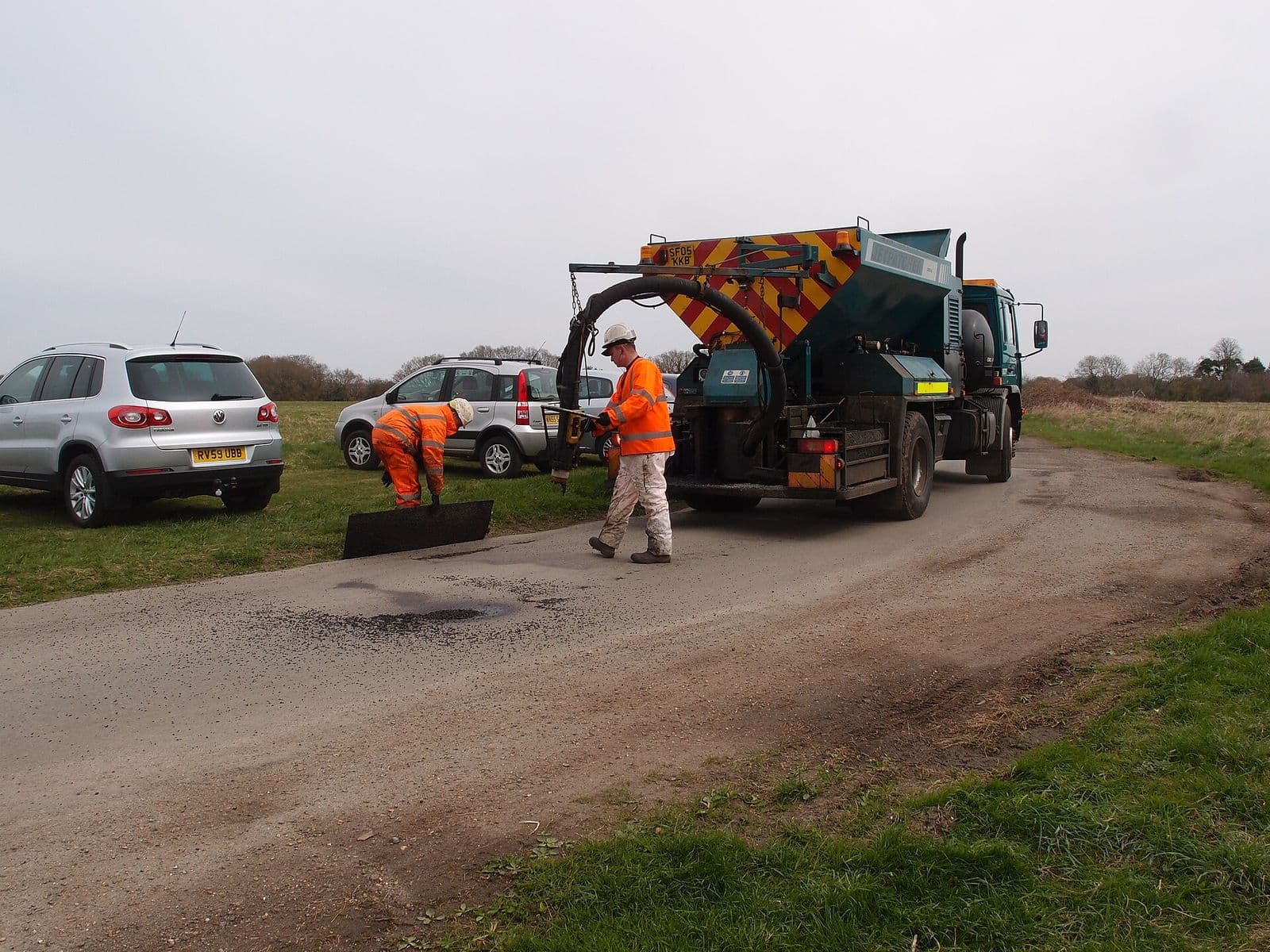
In Tijuana, the "Tijuana Sin Baches" program launched on October 6 with plans to treat 90 roads by December, at a cost of about 90 million pesos, according to Síntesis TV. Some holes on Bulevar Bernardo O'Higgins were more than 10 centimeters deep, so crews removed the damaged surface before placing hot asphalt. Of the 90 roads, 44 will be treated with jet-patching machines for shallower damage.
In Nogales, Sonora, the city has covered 2,898 potholes and about 7,240 square meters of road in 36 neighborhoods after heavy rains, according to Nuevo Día.
Matching the method to the hole
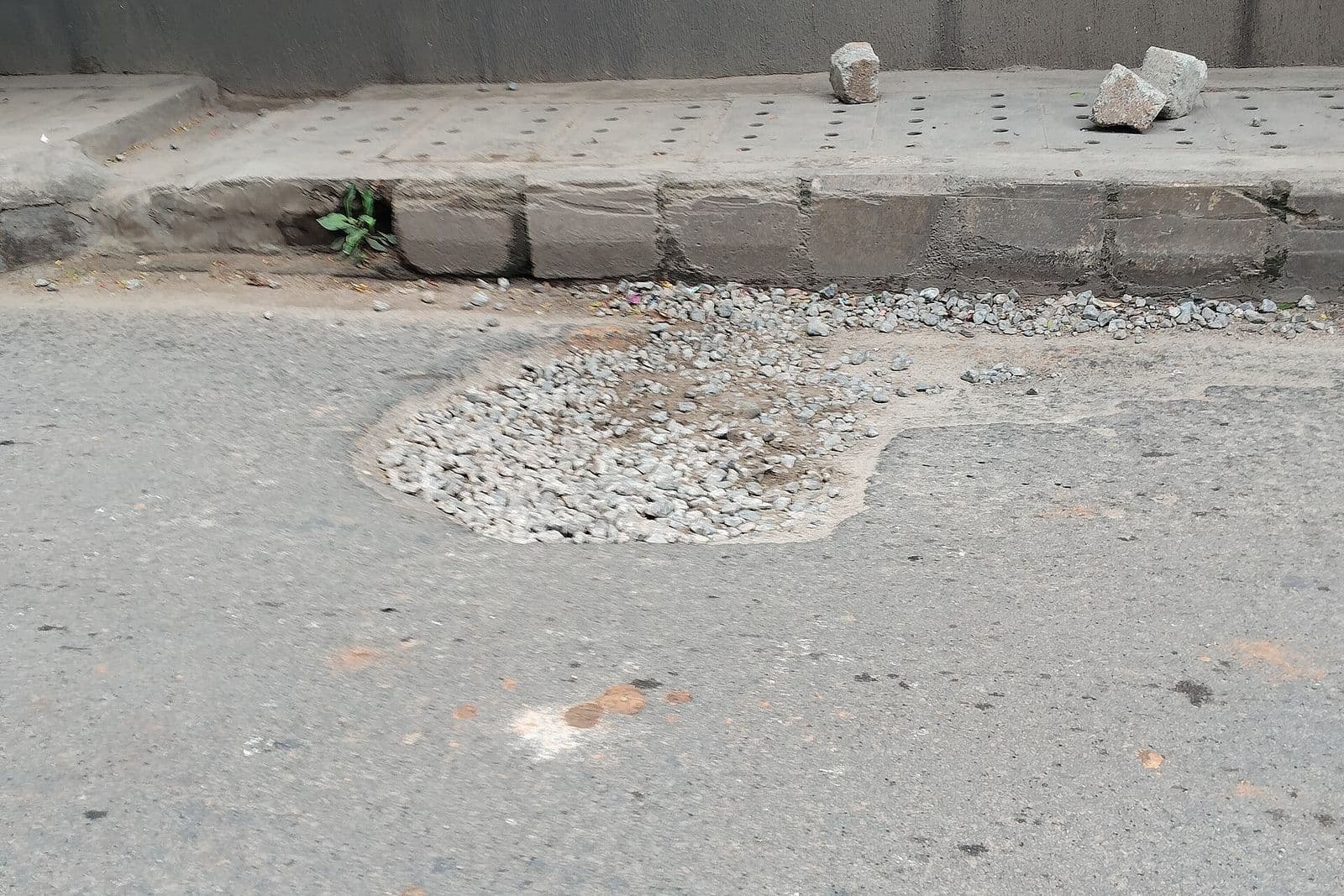
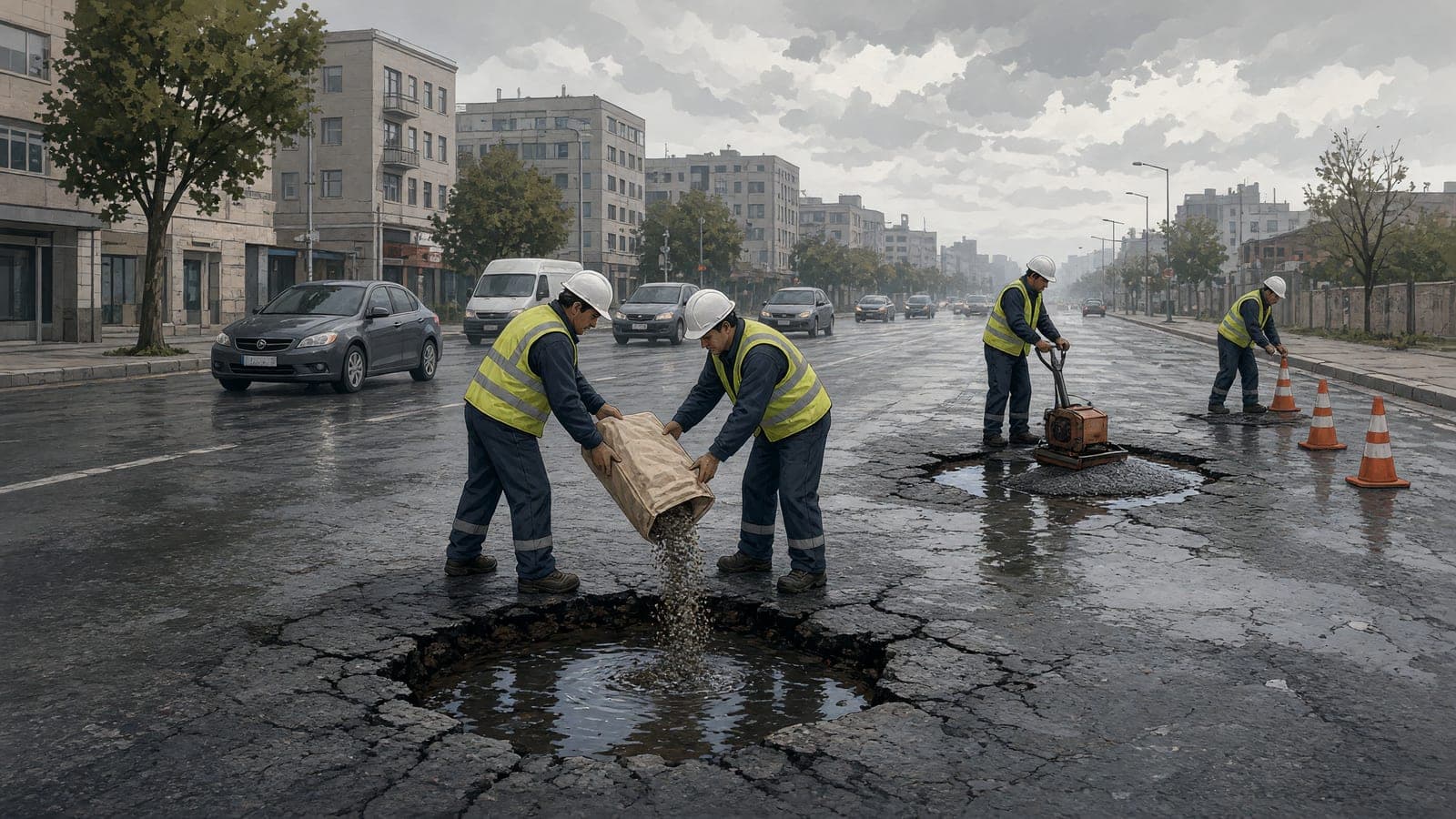
What these cities share is a mix of methods: hot asphalt for deep, badly damaged sections, machines for shallow surface defects, and crews spread across neighborhoods for everything in between. The hard part is the long tail of scattered, individual potholes, often wet after rain and on busy streets where traffic can't wait.
That's where EZ STREET® Ambient® Asphalt shines. It's engineered to go into wet holes and holes holding water, bond to asphalt and concrete, and carry traffic as soon as it's compacted. There's no plant to run, no mixing and no tack coat, and it can be stockpiled for months, so a brigade can carry it all day and repair holes as they're reported. It's thermally stable, too, holding up in hot climates like Sonora's and Chihuahua's.
What makes a year-round program work
- Keep material ready. Continuous brigades need a supply that doesn't depend on a hot plant schedule.
- Track every repair. Toluca's public portal shows how transparency builds trust.
- Prioritise lasting fixes. A high daily count means more when the holes stay fixed.
Mexico's cities are proving that pothole repair works best as a habit, not a crisis. Enduring materials like Ambient® help make every one of those repairs count. Learn more at ezstreetasphalt.com.
Source notes: Ayuntamiento de Toluca (October 1, 2026); Chihuahua ES! (October 24, 2026); Síntesis TV (October 6, 2026); Nuevo Día (October 20, 2026).