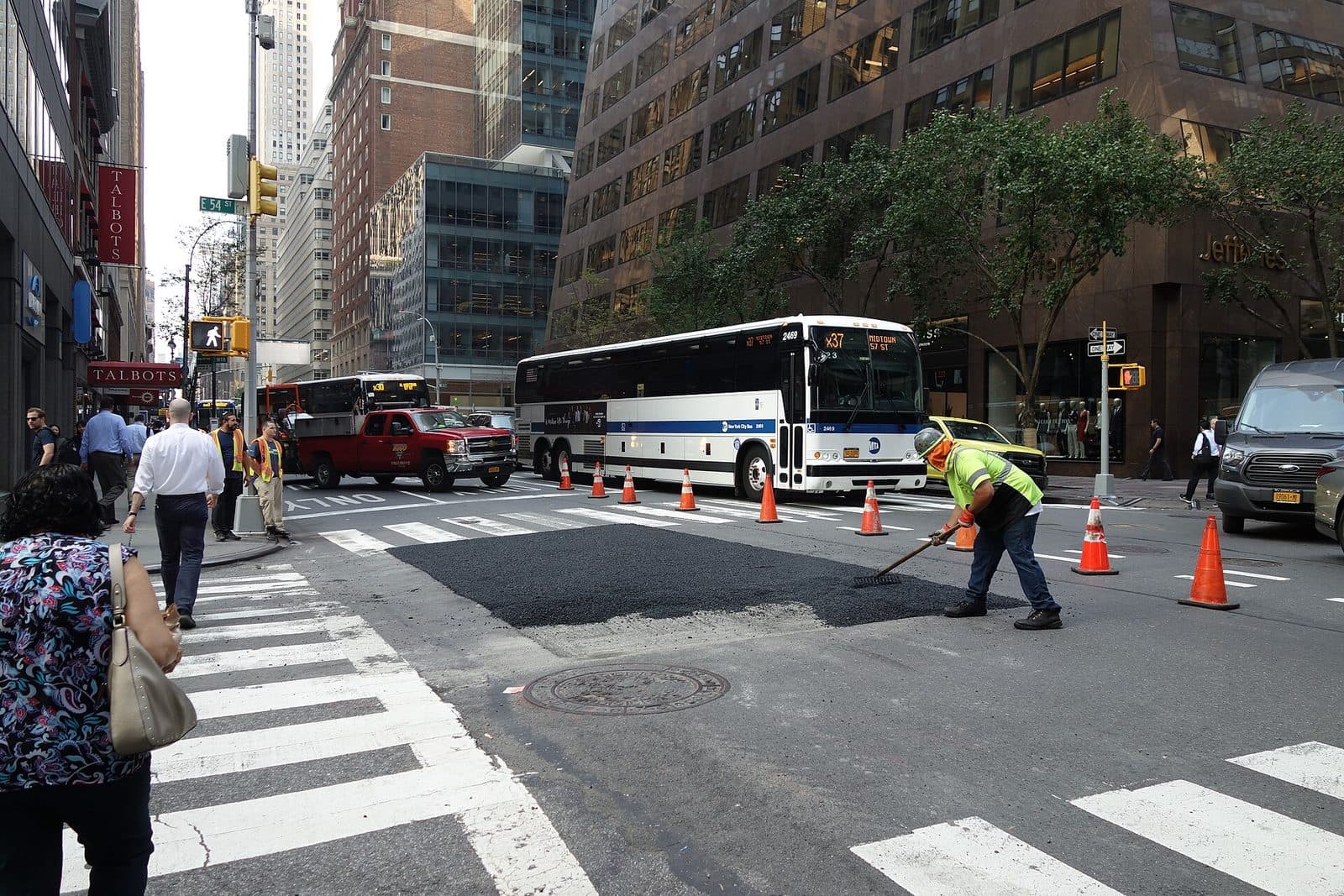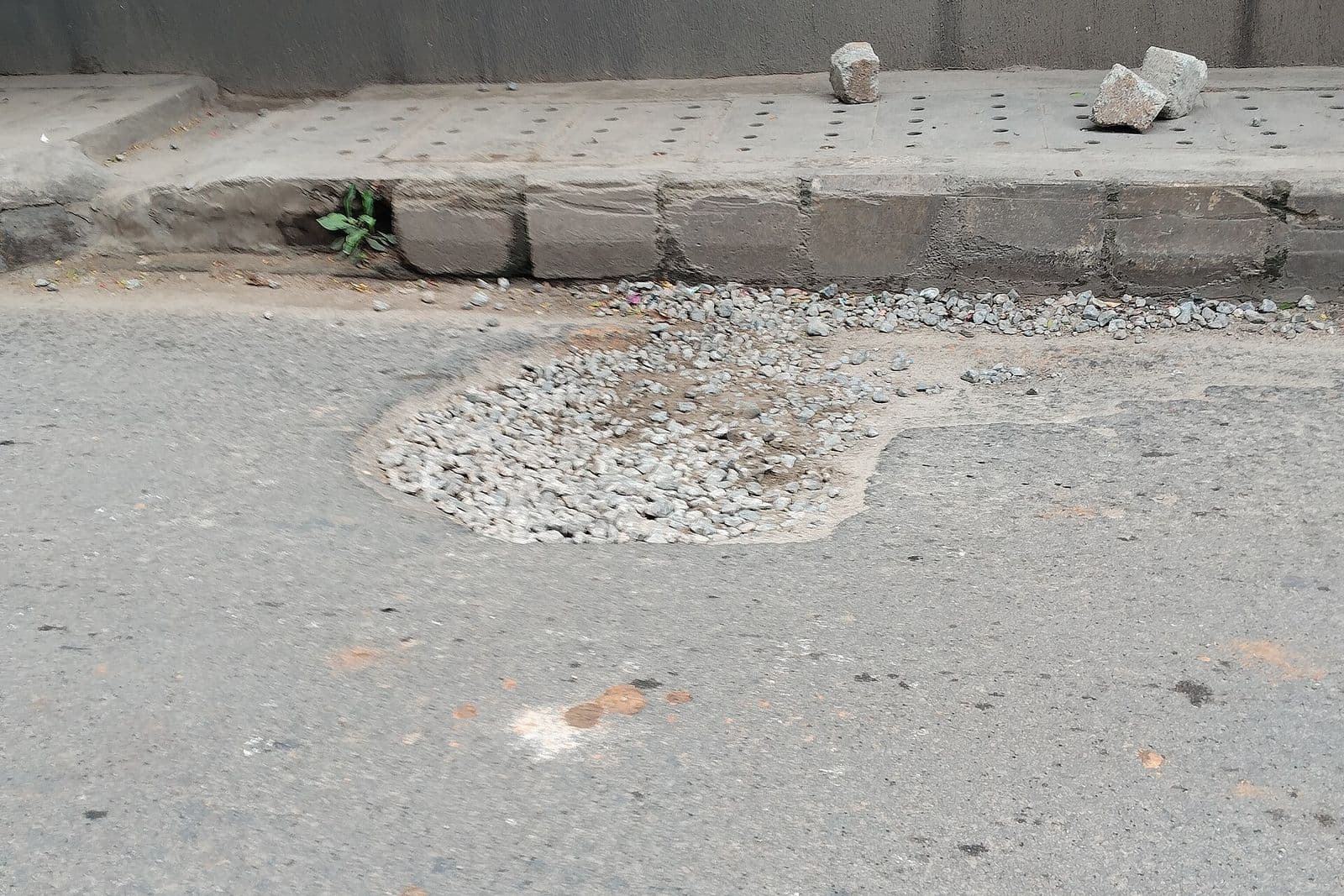
In a city that rarely sleeps, closing a lane for one shallow pothole can feel like punishing everyone for a single square metre of failed asphalt.
Bengaluru is testing a different approach. In mid-September 2026, Greater Bengaluru Development Minister Krishna Byre Gowda launched a ₹2 crore Jet Patcher pilot with the Central City Corporation. The machine was demonstrated on the road between Vidhana Soudha and the M.S. Building. Officials say one unit clears debris from the hole, applies binder and repair mix, and can return traffic in about ten minutes. That avoids the full roadblock a traditional hot-mix setup often needs for an isolated hole.
The minister was clear about what the technology is for. Jet Patcher targets smaller failures, roughly two to three inches deep (up to about 50 mm). It isn’t meant for deep structural craters where both the asphalt and the aggregate have failed. Bengaluru’s roads produce both kinds, he noted. In some places only the top layer has worn away. In others, the damage goes deeper and needs a different response. The pilot will show whether quick, low-disruption repairs can scale across the city’s corporations if the results hold.
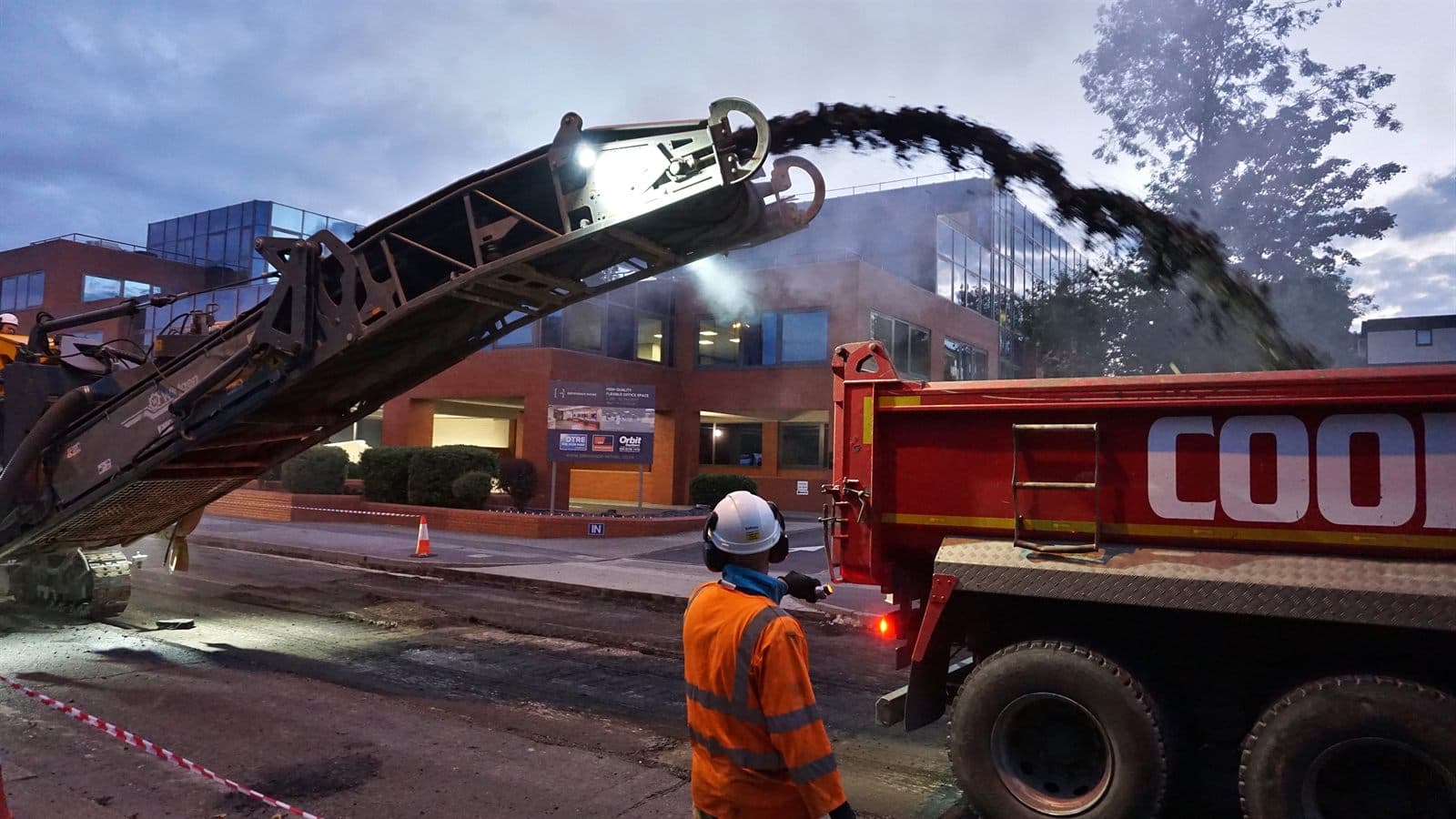
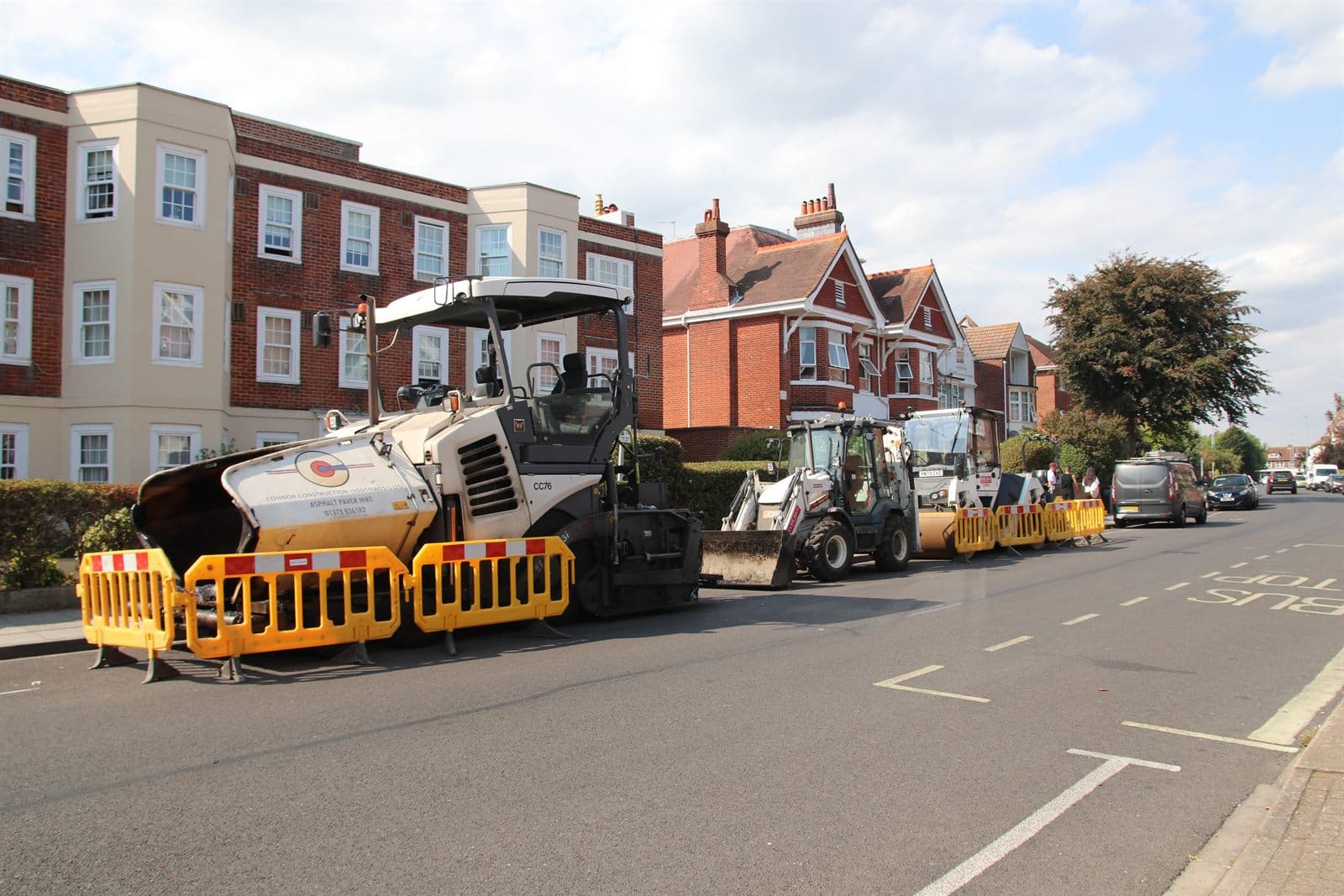
That honesty about limits is as useful as the machine itself. Hot-mix crews bring strength and familiarity, but they also bring constraints: rollers, plant schedules, monsoon interruptions, and the awkward cost of mobilising a full setup for one lonely defect. A city with only one repair method will either over-mobilise for small holes or leave them until they grow into big ones. Matching the tool to the defect protects both budgets and commute times.
There’s a wider lesson for municipal and private pavement managers. Innovation isn’t a press event. It’s a portfolio. You want fast, traffic-friendly methods for shallow failures and heavier treatments when the base is gone. You want drainage and surface care so water doesn’t keep winning. And you want materials that don’t force crews to choose between “wait for perfect conditions” and “throw something in and hope.”
Campuses, logistics yards, and local streets often need a ready-to-place option between capital schemes. EZ STREET® Ambient® Asphalt is engineered for enduring patches that stay thermally stable. It’s ready to use in bags or by the ton and designed to go in without on-site heating when the hole is properly prepared and compacted. It’s a performance-proven way out of the temporary-fix cycle. See ezstreetasphalt.com.
Bengaluru’s pilot won’t erase every monsoon crater. No single machine will. If the ₹2 crore test succeeds, though, it could change the default for the small, widespread failures that clog traffic and frustrate drivers every week. Fix the right hole with the right method, reopen the road, and save the heavy crew for the defects that actually need it.
Cities watching from afar should take the cue. Don’t ask whether a new repair technology is magic. Ask which defects it fits, how long the patch lasts, and whether your toolkit still has an engineered answer when the hole is deeper than the pilot’s sweet spot.
Source notes: India Today (11 Sep 2026); The Hindu (11 Sep 2026); New Indian Express (12 Sep 2026); ezstreetasphalt.com/what-is-ez-street
Cover photo: Mallikarjunasj (cropped), CC0.