Plymouth didn’t try to wish its potholes away. It put a number on them and gave the public a counter to watch.
Project Pothole, launched for the 2026/27 financial year, commits an extra £4.06 million to road repairs and maintenance. The target is 20,000 potholes and road defects, more than double the city’s usual annual output of about 8,300. The council’s own counter, updated after August, showed 1,110 repairs that month and 6,383 since April. That’s roughly 32% of the annual goal. Plymouth has 524 miles of roads and 744 miles of pavements, so that’s a visible change of pace after a wet winter sent defect reports sharply higher.
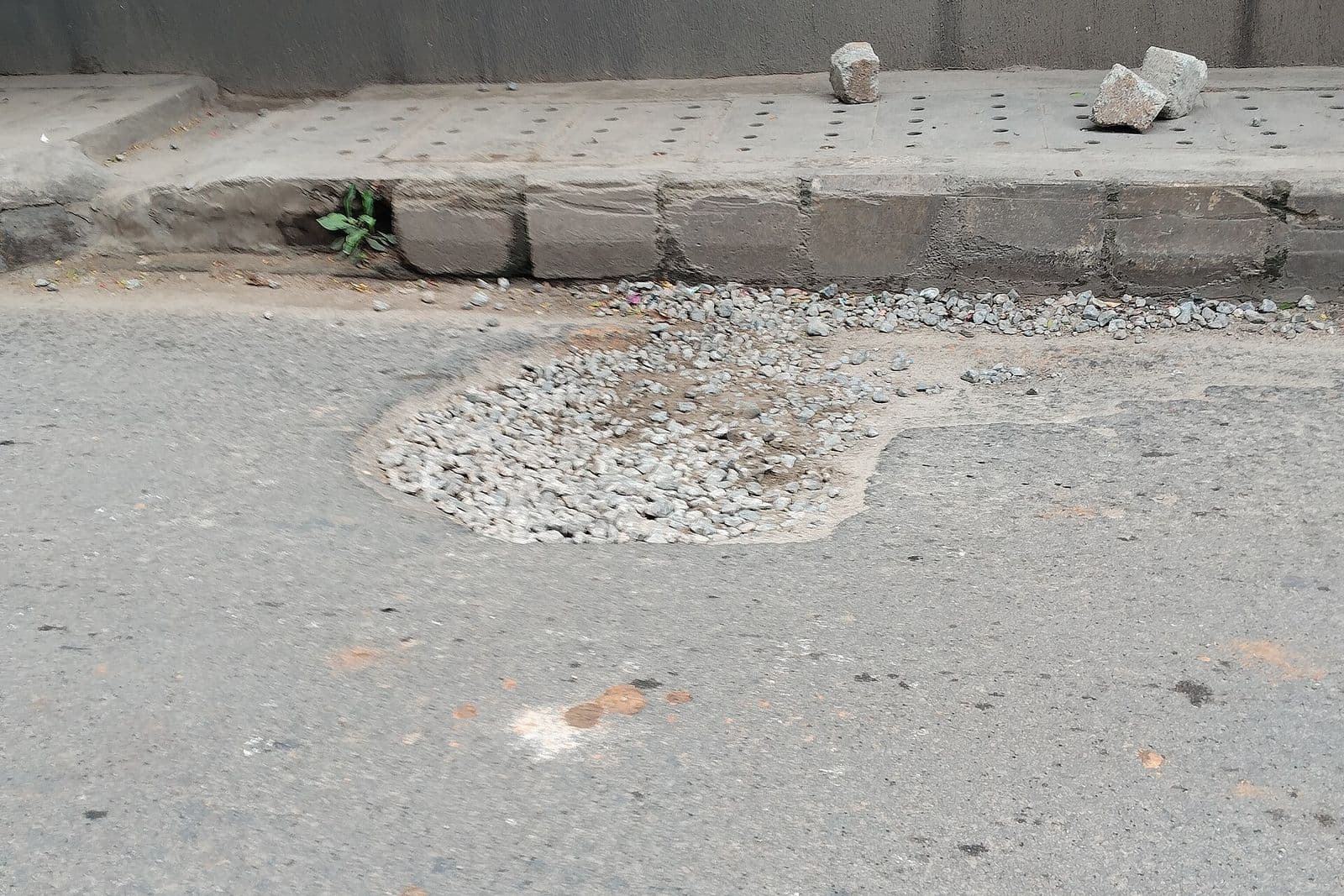
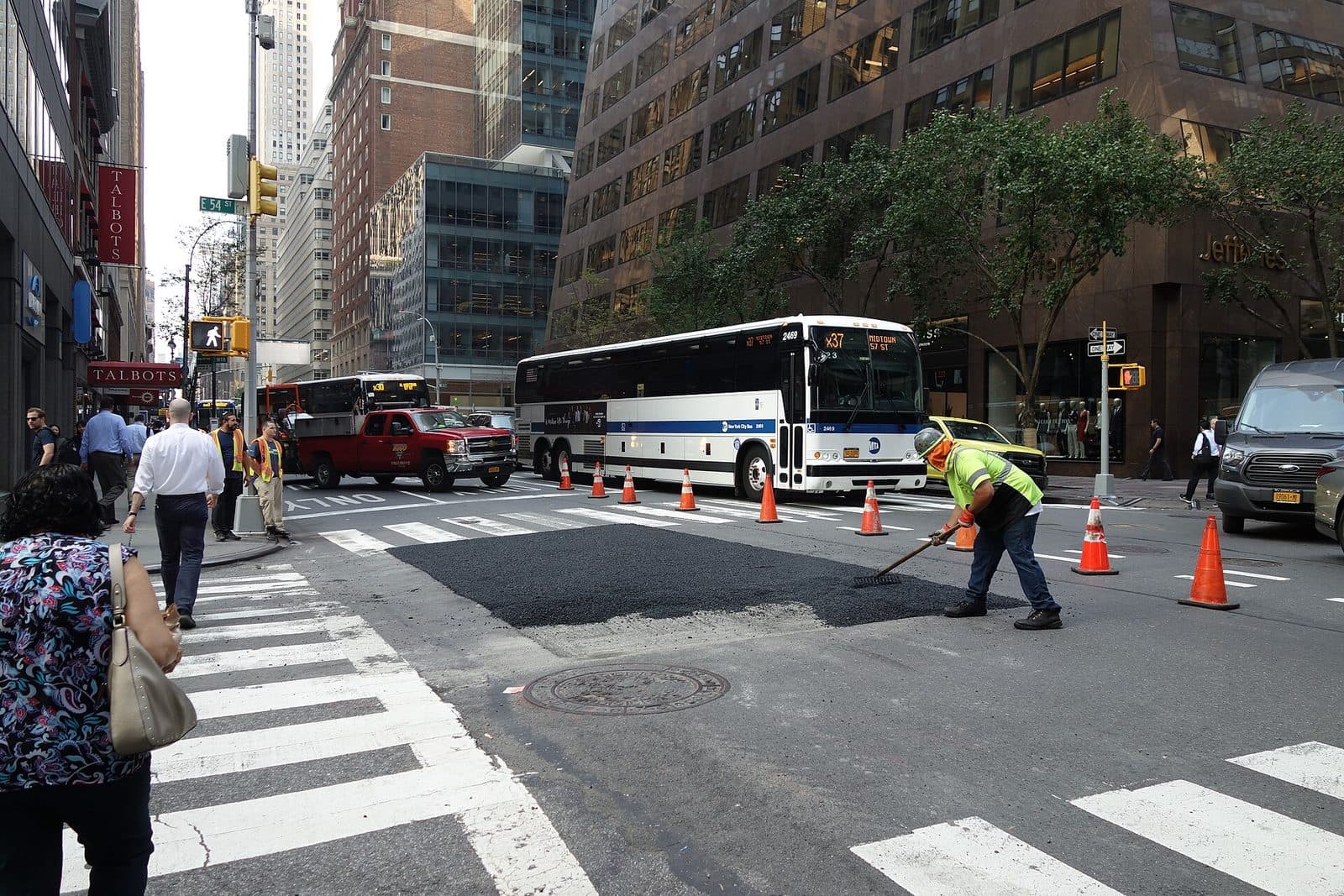
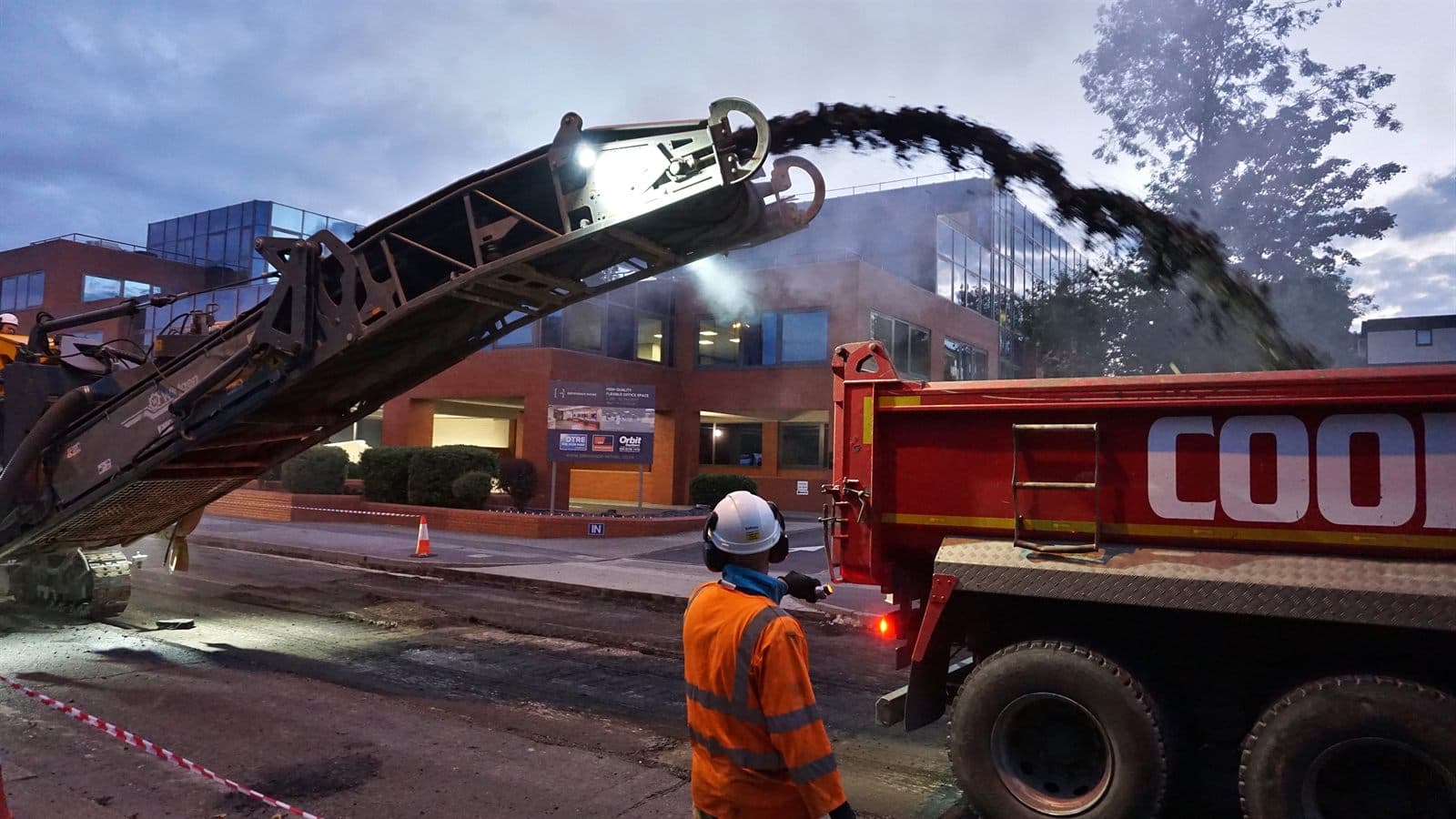
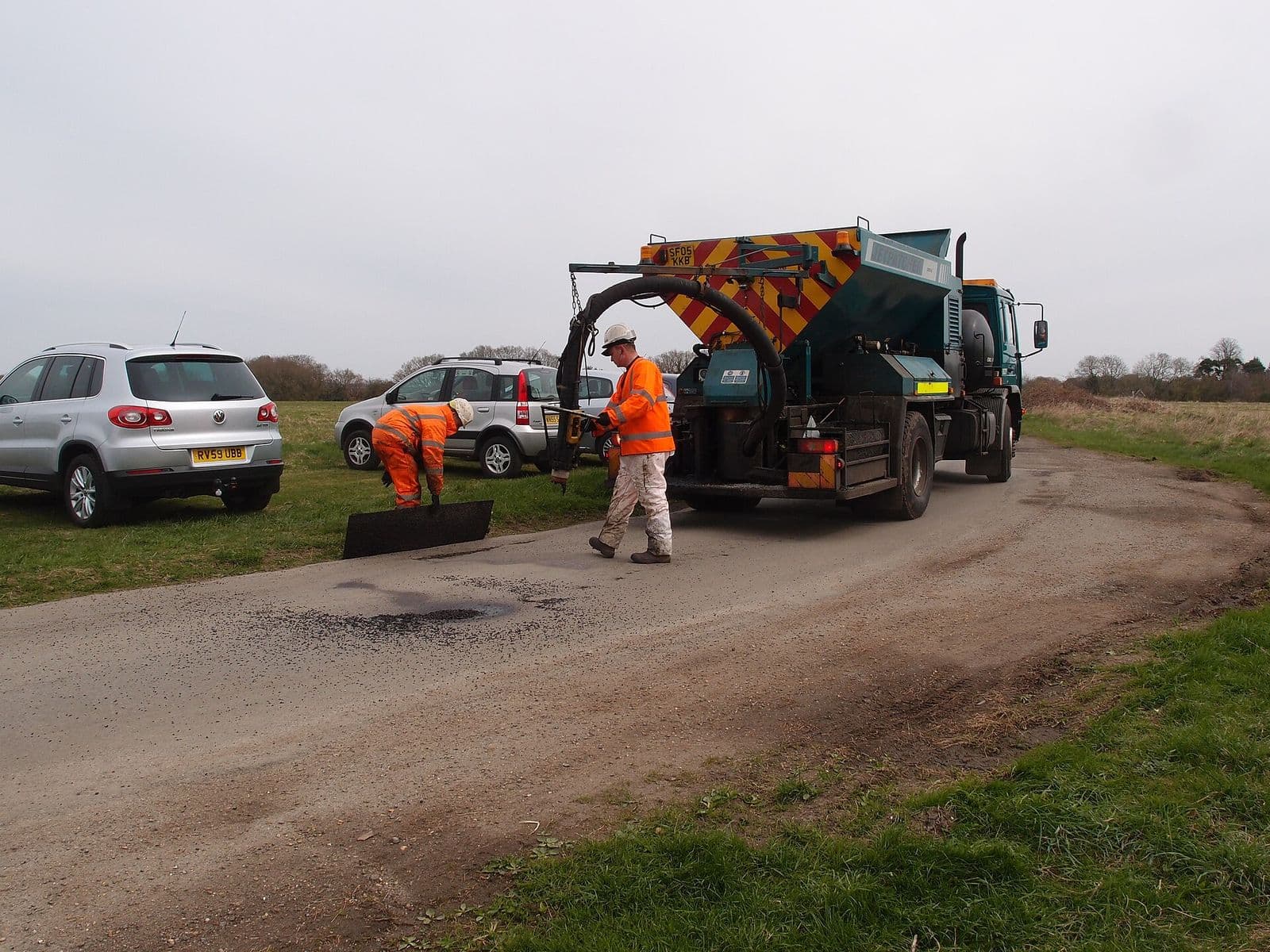
The interesting part isn’t only the volume. It’s the toolkit. Plymouth isn’t betting on a single treatment. The programme combines traditional fills, specialist seek-and-repair teams, Roadmender technology using sustainable materials, Velocity spray-injection repairs, resurfacing schemes, surface-preservation treatments covering tens of thousands of square metres, and extra gully clearance to keep water from causing the next failure. Different defects get different tools. That’s how you repair more without pretending every hole is the same.
Drivers will judge the project the only way that counts: whether the same crater greets them after the next storm. Councils across Britain have learned, sometimes the hard way, that a high fill count can sit alongside a high rework rate when interim repairs don’t hold. Plymouth’s own messaging is refreshingly honest about that. Not every defect will be fixed right away, and not every road will be resurfaced this year. Priorities follow safety, condition data, inspections, and resident reports. What residents should notice is more crews, in more places, more often.
That honesty is useful for agencies and private managers elsewhere. A year-long blitz only pays off if each method matches the defect and the material can handle real traffic and real weather. Spray injection can be fast on shallow failures. Preservation can buy years for a surface that still has life. Deep, wet, or heavily loaded holes still need a fill that bonds, compacts, and stays thermally stable when temperatures swing.
The same logic applies at a smaller scale for sites outside the council programme, such as retail parks, industrial estates, and campus roads. You don’t need a £4 million counter. You need a repair you can use when a defect appears, without waiting months for a full resurfacing window.
EZ STREET® Ambient® Asphalt fits that gap. It’s a ready-to-use, engineered mix for potholes and related pavement repairs, available in bags or by the ton. When the hole is properly prepared and compacted, crews can place Ambient® without on-site mixing or heating and open it to traffic promptly. Its thermally resilient performance is designed for enduring patches rather than a short-lived plug. Details are at ezstreetasphalt.com.
Plymouth’s lesson for 2026 is simple. Fund the surge. Track the progress in public. And treat “how we fill” as seriously as “how many we fill.” Volume without durability just means revisiting last month’s map faster.
Source notes: Plymouth City Council (Project Pothole page); The Moorlander (Aug 2026); ezstreetasphalt.com/what-is-ez-street
Cover photo: Michael Trolove, CC BY-SA 2.0.