Pothole machines get a lot of attention. Big claws, infrared heaters and spray-injection rigs make for good photos and bold promises. North East Lincolnshire Council in England put three of them to the test, and its verdict was refreshingly honest: each one helps in some situations, but none of them solves every kind of pothole in every location, according to Grimsby Live.
What the council tested
The free trials ran under a highway maintenance innovation programme, backed by £168,000 set aside for prevention technology and trials from the council's £17.4 million highways and transport budget.
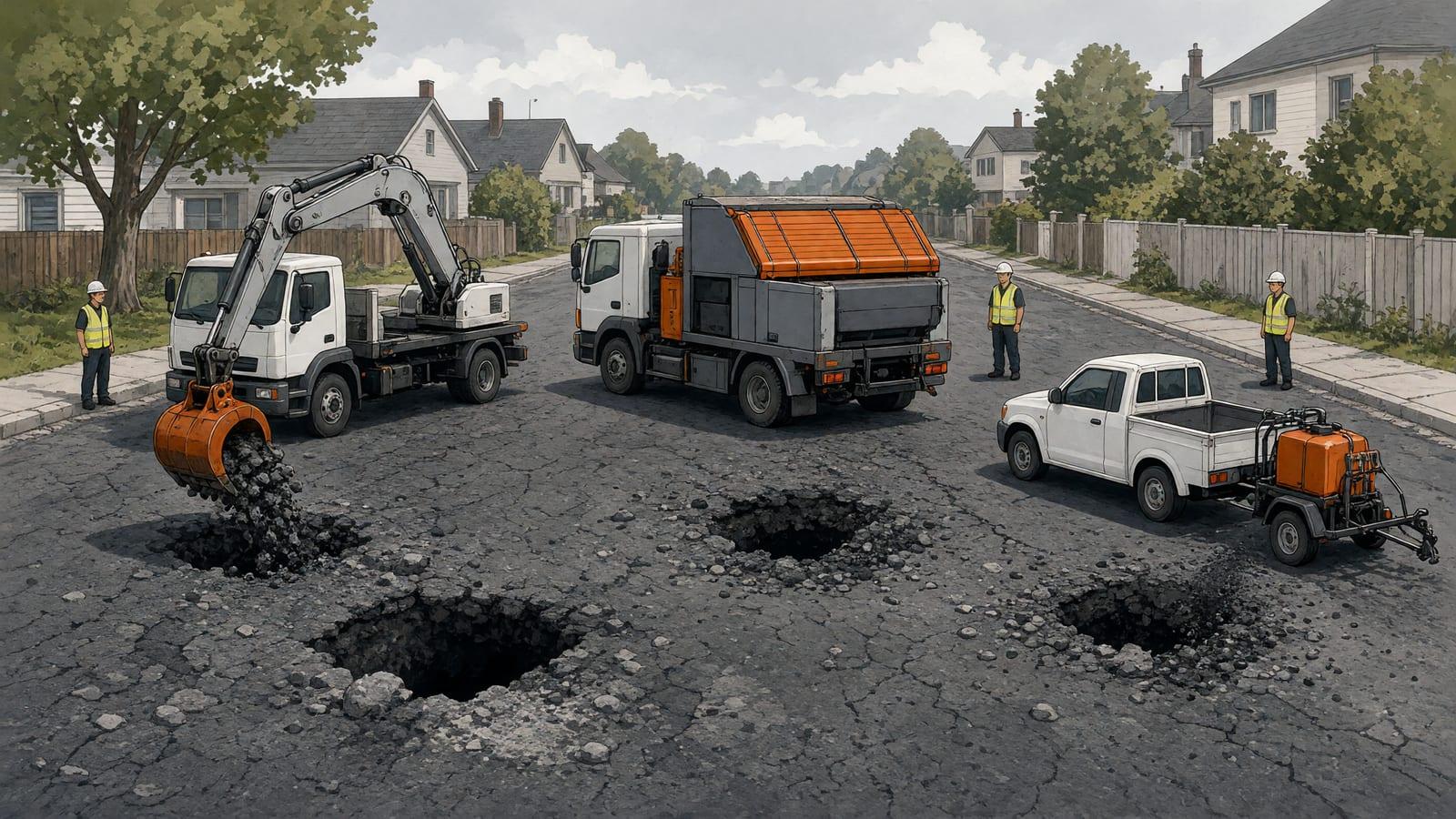
- JCB Pothole Pro. Fast, with a good finish. But it needs at least five staff and three vehicles to work at full speed, costs about £250,000, and struggles in tight spaces. Reviewers saw it as better suited to larger planned repairs than to scattered small holes.
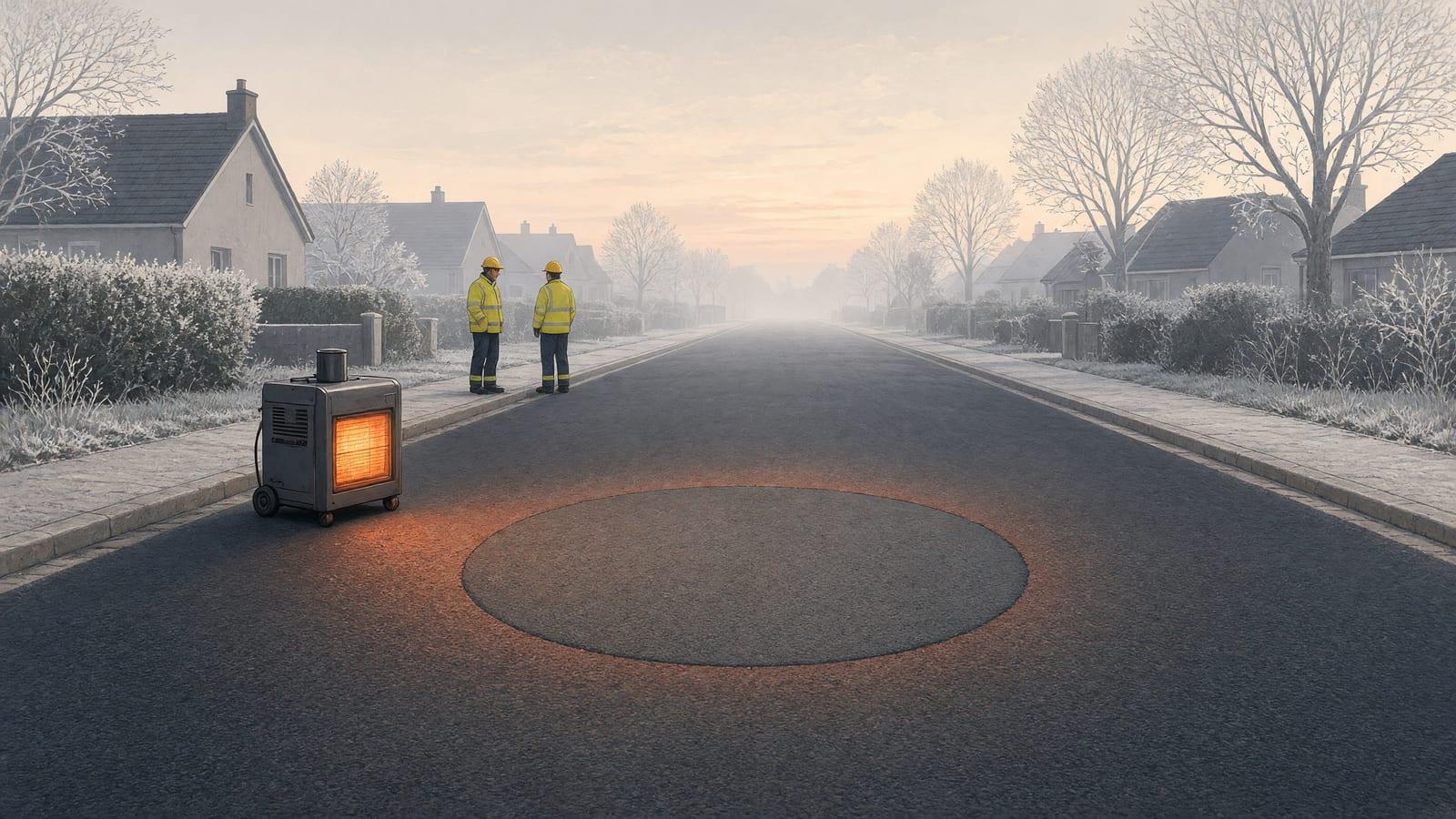
- Thermal road repair system. It recycles the existing surface, produces no waste and leaves no cold joints, at roughly 25 minutes per square metre. It costs about £200,000, and there were concerns about how long repairs would last and about loose aggregate left behind.
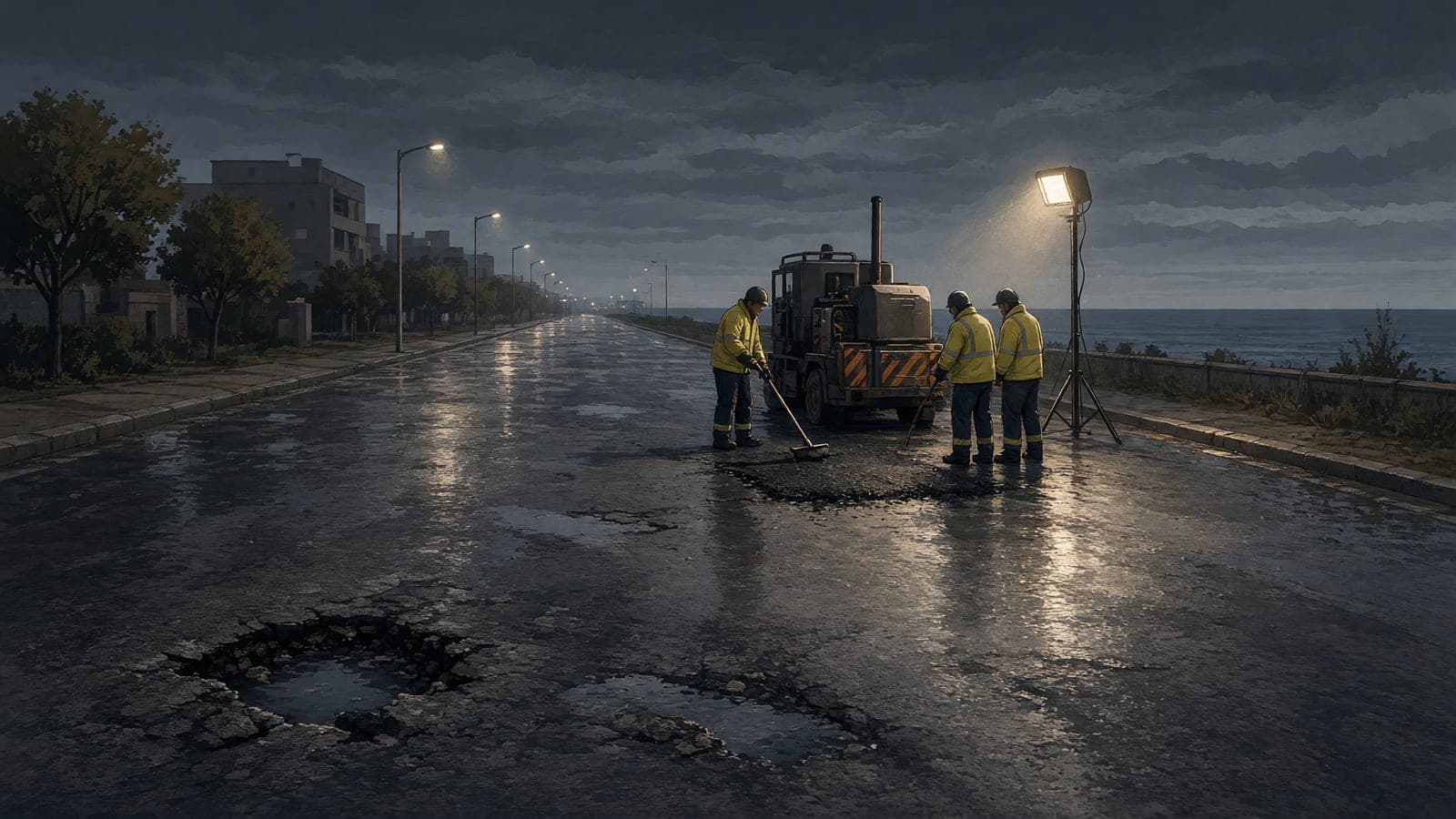
- Nu-Phalt Jet Patcher Mini. The top scorer. It's small enough to work on footways and needs only two or three operators. Officials called it "quick and messy," and they also raised questions about longevity and loose material. It's the only one moving to further trials.
The real lesson: method and material both matter
The council was clear that it needs more options. More than 1,700 pothole reports came in between December 2025 and February 2026. The team met its time limits on 98.1% of emergency potholes, but it wants better tools for the next winter.
The findings highlight something every highway engineer knows. Machines decide how fast a crew works. Material decides how long the repair lasts. Two of the three systems drew the same worry about longevity, and that's the number that matters most to drivers and budgets.
Where a ready-to-use material fits
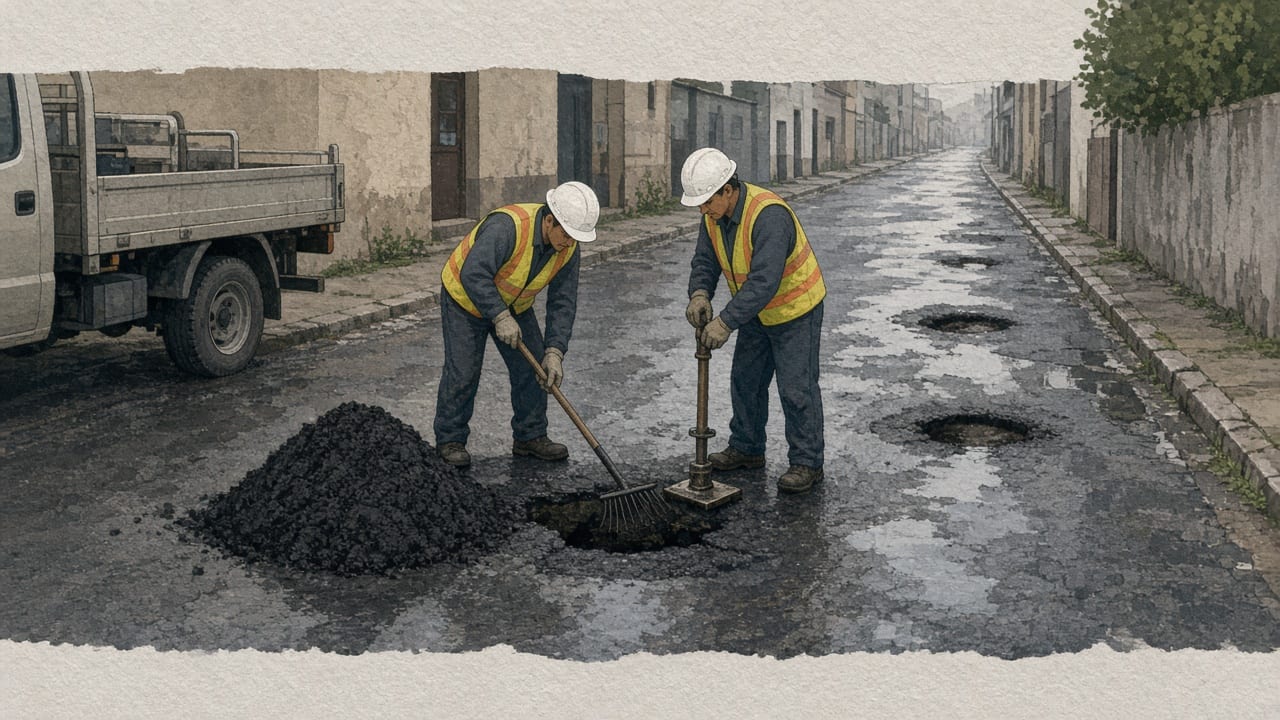
Many potholes are small, scattered, and on narrow residential streets. Bringing in a £250,000 machine and a five-person crew for those holes is hard to justify. A two-person crew with a truck of engineered material can often do the job.
EZ STREET® Ambient® Asphalt is made for exactly that. It needs no heating equipment and no tack coat. Crews can place it straight from the bag or bulk pile, including in wet holes, compact it, and open the road right away. It bonds to asphalt and concrete and stays thermally stable through freeze-thaw cycles, so the patch is still there when the next inspection comes around.
Takeaways for councils
- Match the tool to the job. Big machines suit planned patching. Small crews suit reactive repairs.
- Score longevity, not just speed. A fast repair that has to be redone isn't cheap.
- Keep material on hand. Stockpiled, ready-to-use material lets crews respond whatever the weather.
North East Lincolnshire's trials show there's no single fix for potholes. A mix of methods, backed by performance-proven material like EZ STREET® Ambient®, gets closest. Learn more at ezstreetasphalt.com.
Source notes: Grimsby Live (November 16, 2026).