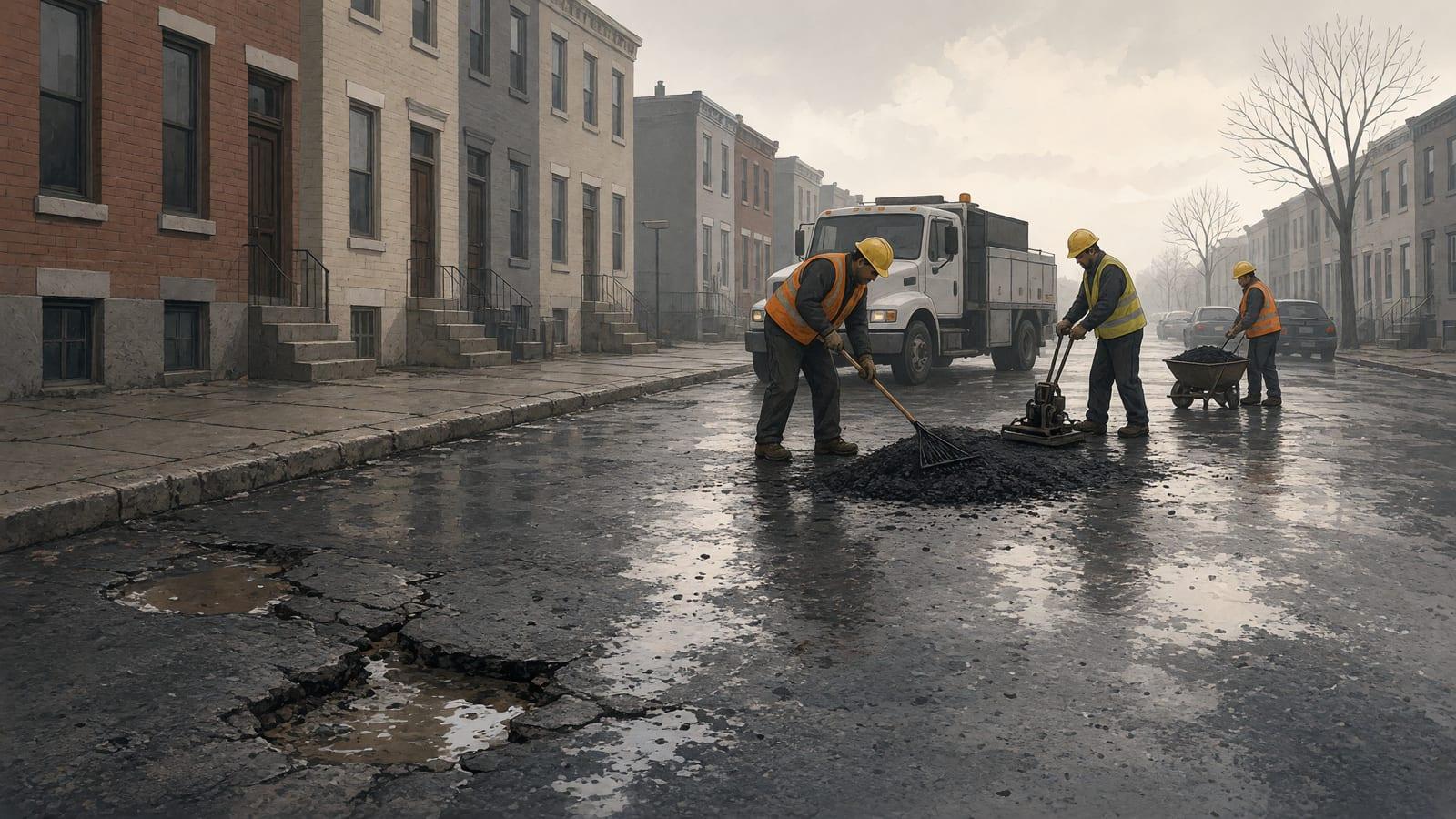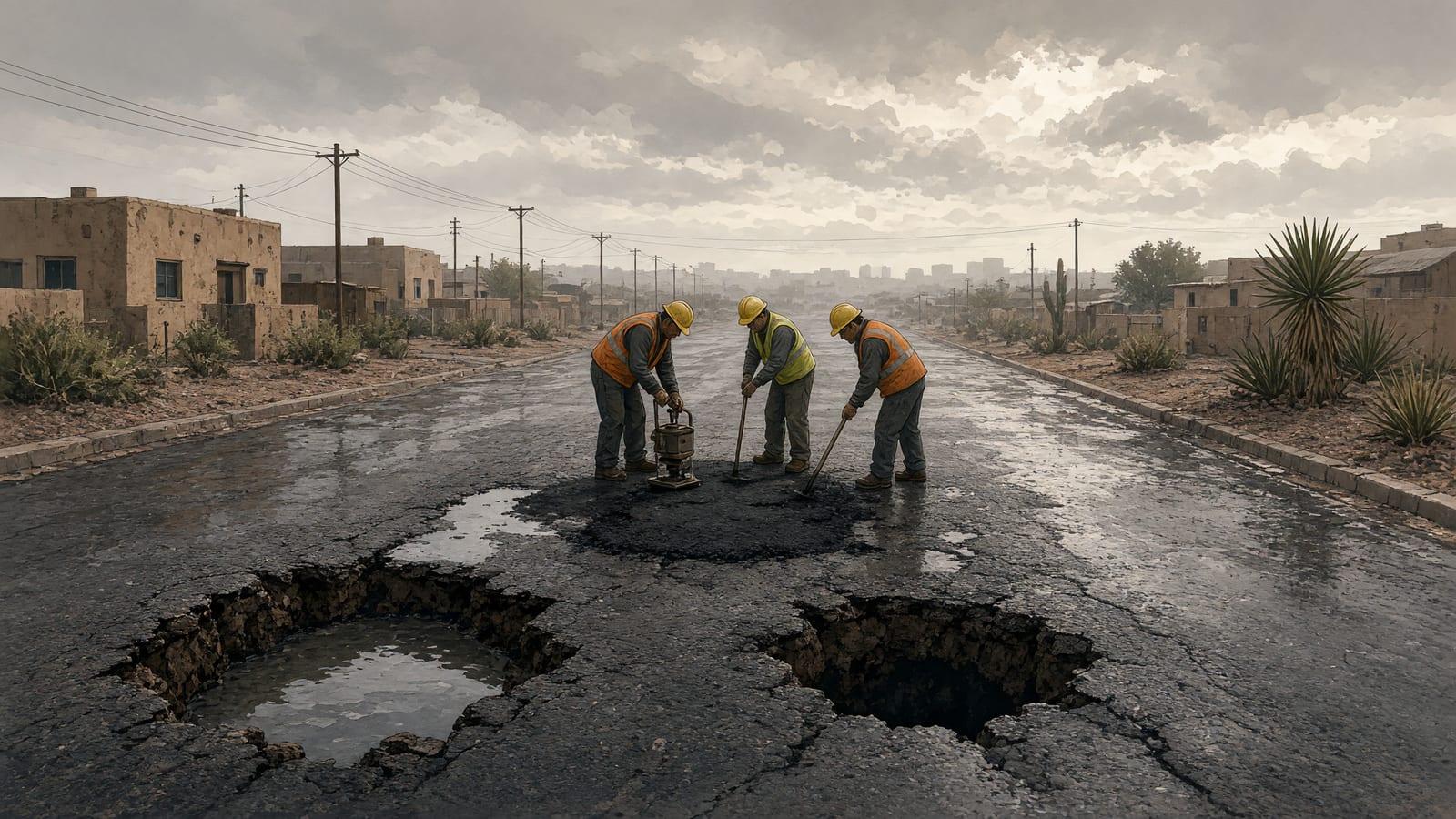
Albuquerque, New Mexico, isn't a city most people link with rain-damaged roads. But this fall, wet weather and changing temperatures left the city with twice as many pothole reports as this time last year. Crews have responded by filling about 2,000 potholes in the past month, according to KOB 4 and KOAT.
A backlog after the rain
Mayor Tim Keller acknowledged that the city has a backlog of potholes to fill. Crews have filled about 6,000 potholes since July and are moving quickly to make repairs before winter.
The system is straightforward. Residents report potholes through 311, and crews work from that list each day. City officials told KOAT that they respond to 311 requests within 24 hours, and calls that come in after hours are the first jobs the next morning.
Safety around crews
Fred Montoya, operations and maintenance superintendent with the city's Department of Municipal Development, had a simple message for drivers: give the crews room, slow down, and stay safe. Pothole crews work in live traffic, often on busy streets, and every repair puts workers a few feet from passing cars.
That's one more reason to make each repair count. The fewer times a crew has to go back to the same hole, the less time workers spend exposed in traffic.
Dry climates still get potholes
Desert cities often have fewer freeze-thaw cycles than northern cities, but they aren't immune. Heavy rain can soak weak spots, and temperature swings between hot days and cold nights stress the pavement. When a dry city gets an unusually wet season, the potholes can pile up fast, which is what Albuquerque saw this fall.
Making fast repairs last
A 24-hour response is a strong service promise. The next step is making sure those repairs last through winter.
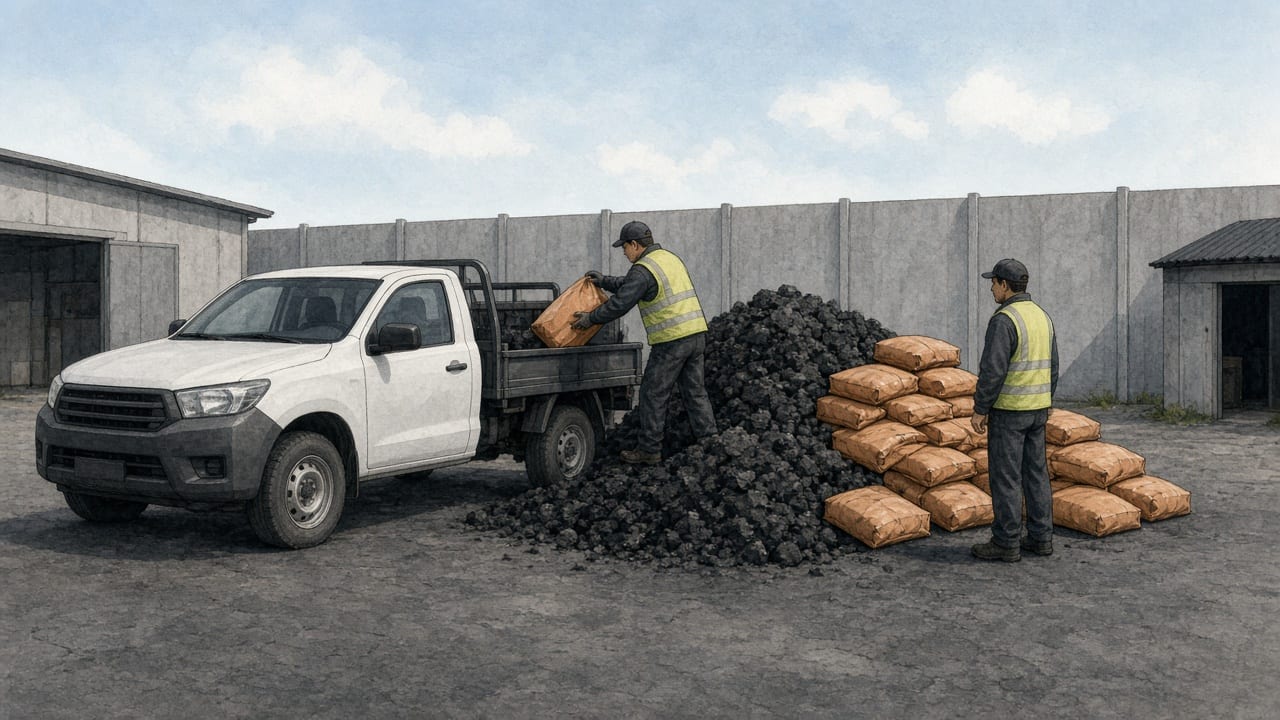
EZ STREET® Ambient® Asphalt is engineered for quick, enduring repairs. Crews place it straight from the bag or bulk pile, with no heating and no tack coat, compact it, and reopen the lane right away. It works in damp holes and stays thermally resilient through hot afternoons and freezing nights. It comes in 50 lb bags for crew trucks, 1-ton sacks, and large format (loose material for stockpiling), so a city can keep material ready at the yard and on every truck.
What other cities can learn
- Use a single reporting line. A 311 list gives crews a clear daily plan.
- Set a response target and publish it. Albuquerque's 24-hour goal sets expectations.
- Protect your crews. Remind drivers to slow down near work zones.
- Count repeat repairs. The best measure of a patch is whether anyone has to report that spot again.
Albuquerque is showing what a fast, organized response looks like. Pair it with performance-proven material, and those 2,000 repairs can stay fixed. Learn more at ezstreetasphalt.com.
Source notes: KOB 4 (November 2026); KOAT (November 13, 2026).