Most cities fix potholes to protect drivers. In Delhi, road repair is also part of the plan to clean up the air.
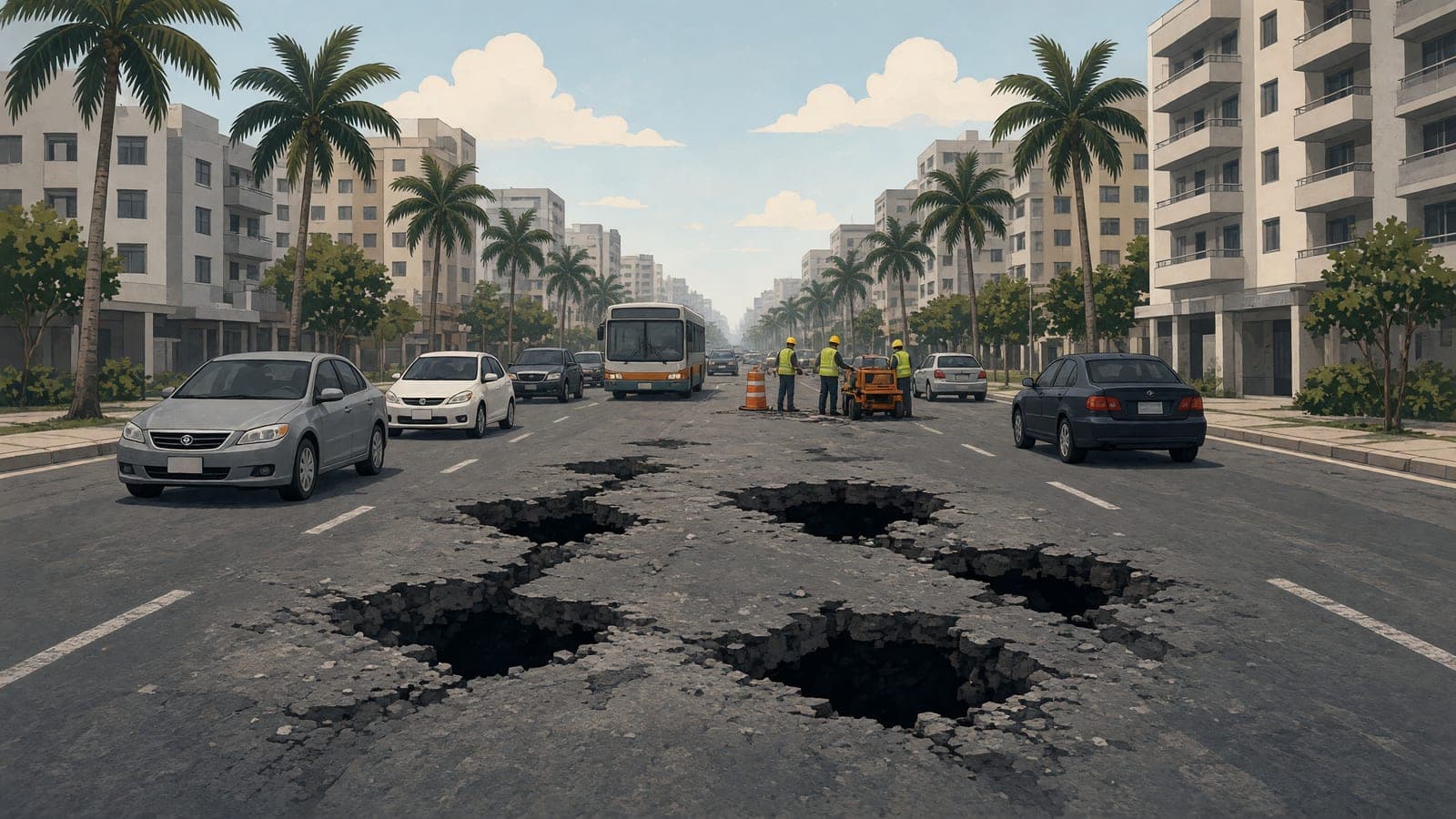
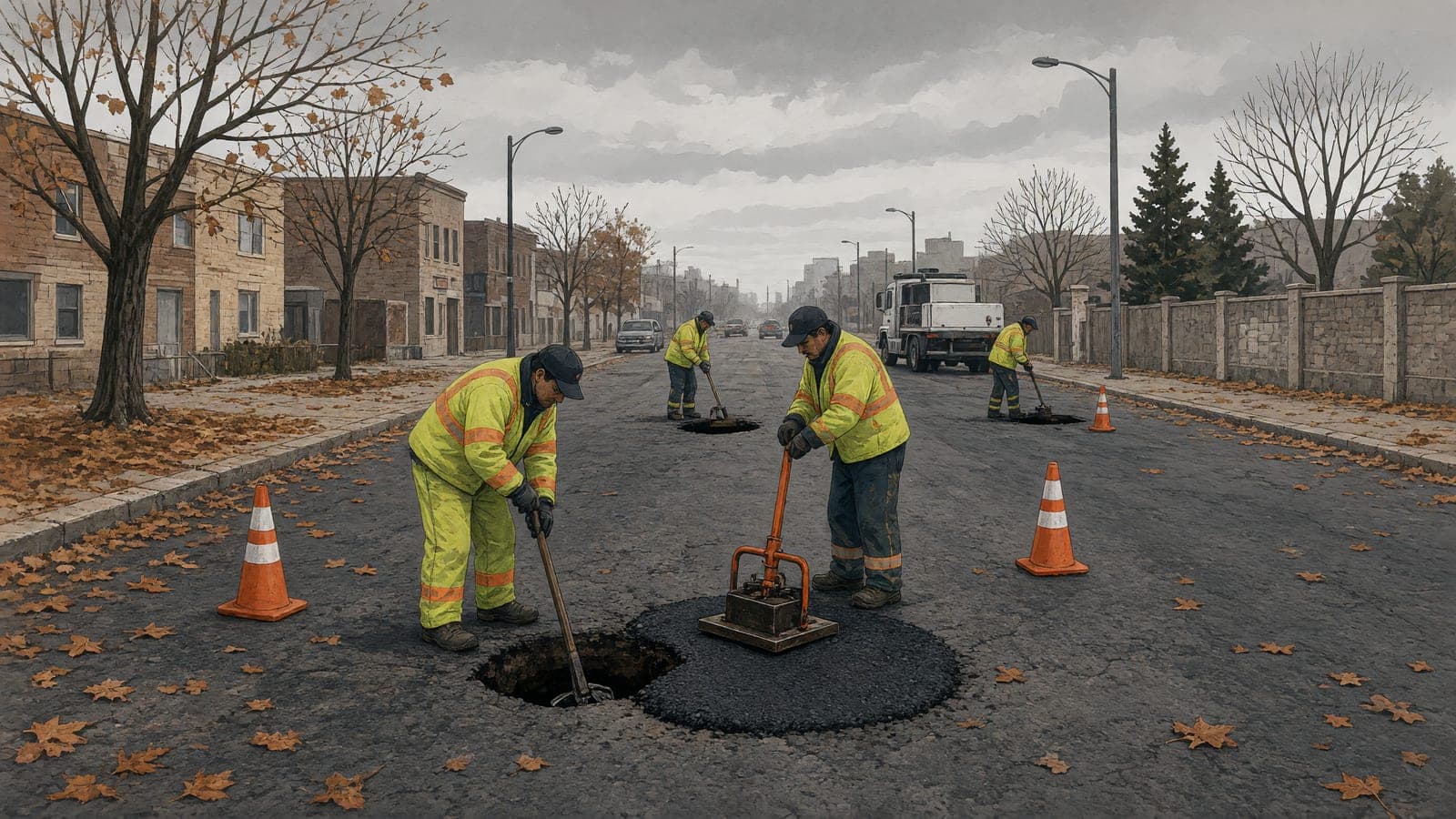
The Municipal Corporation of Delhi (MCD) repaired 8,343 potholes covering 17,132 square metres between April and September this year, The Tribune reported on October 15. Over the same period it completed resurfacing and strengthening work on 745 km of roads. The civic body counts both among its efforts to curb dust pollution, alongside road sweeping, silt removal and enforcement against construction dust.
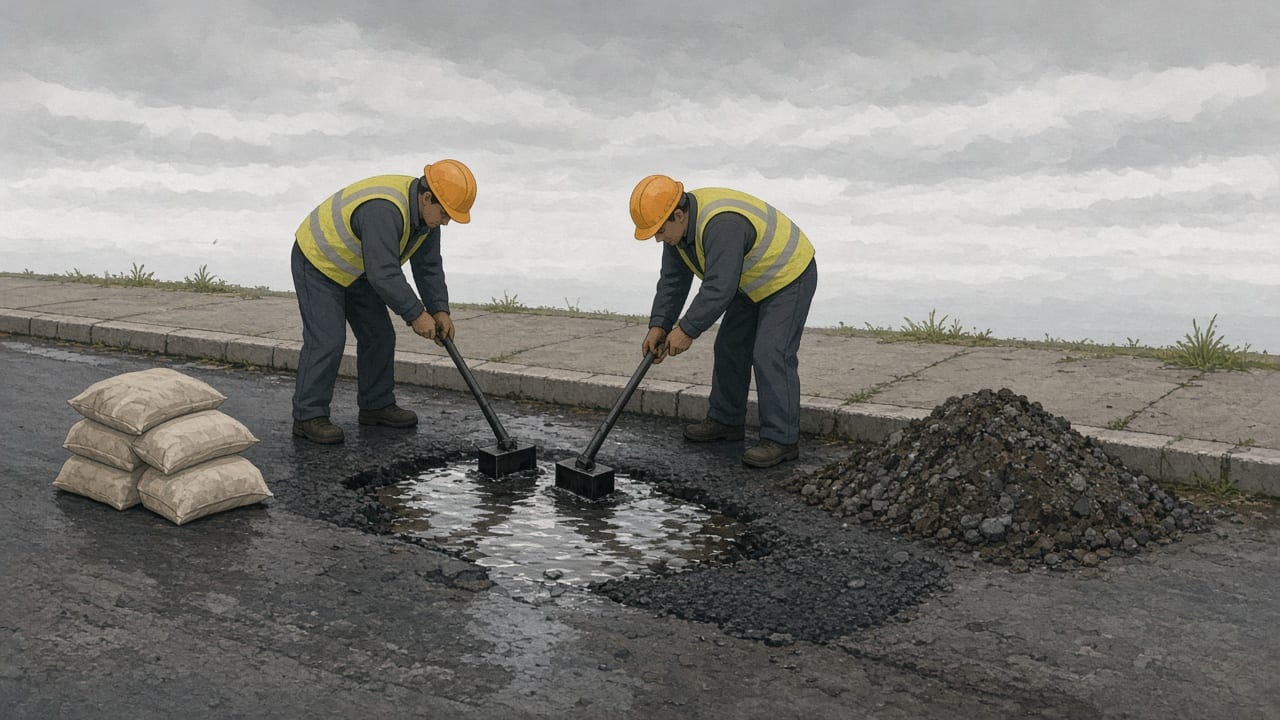
Roads and dust
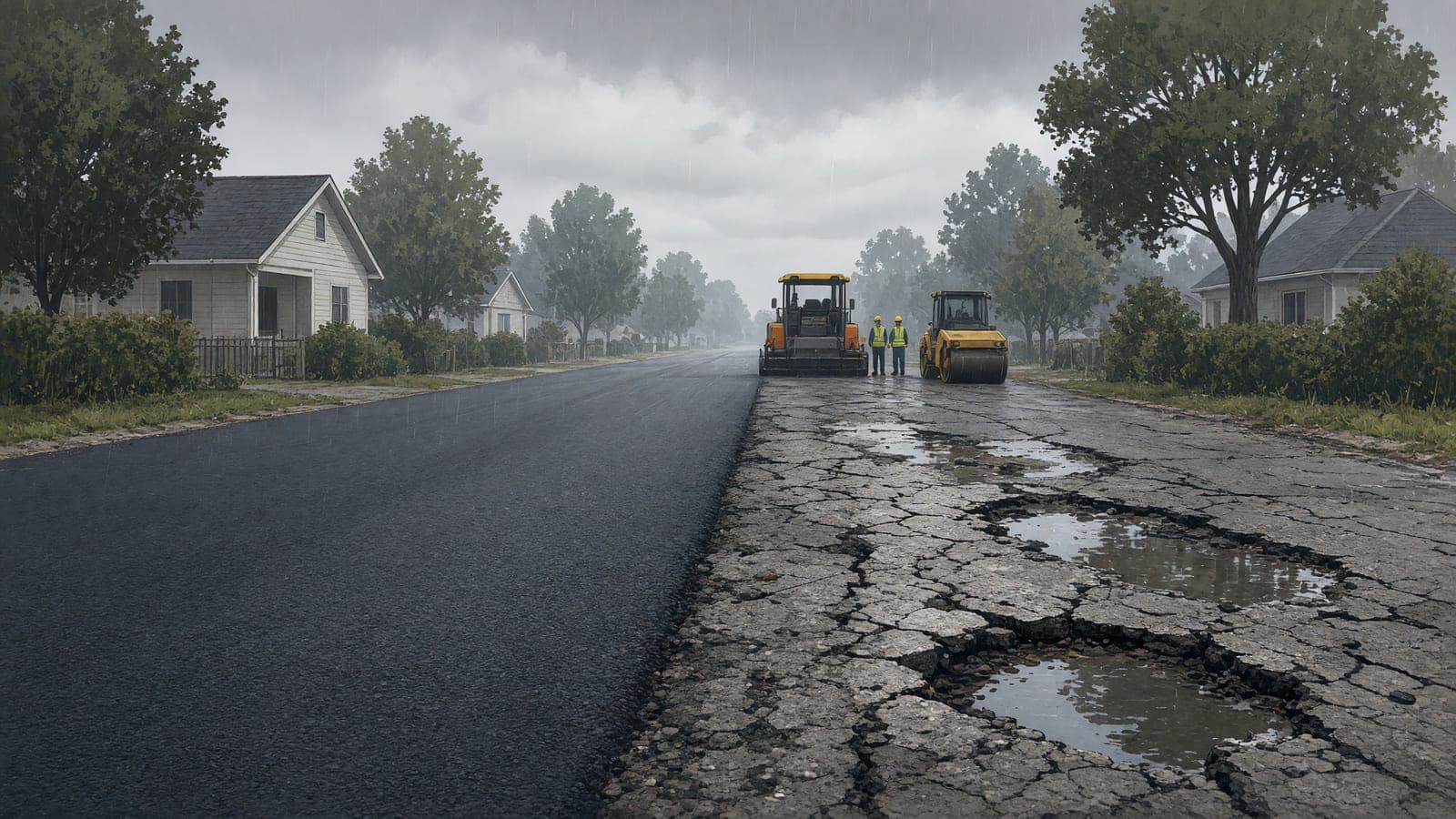
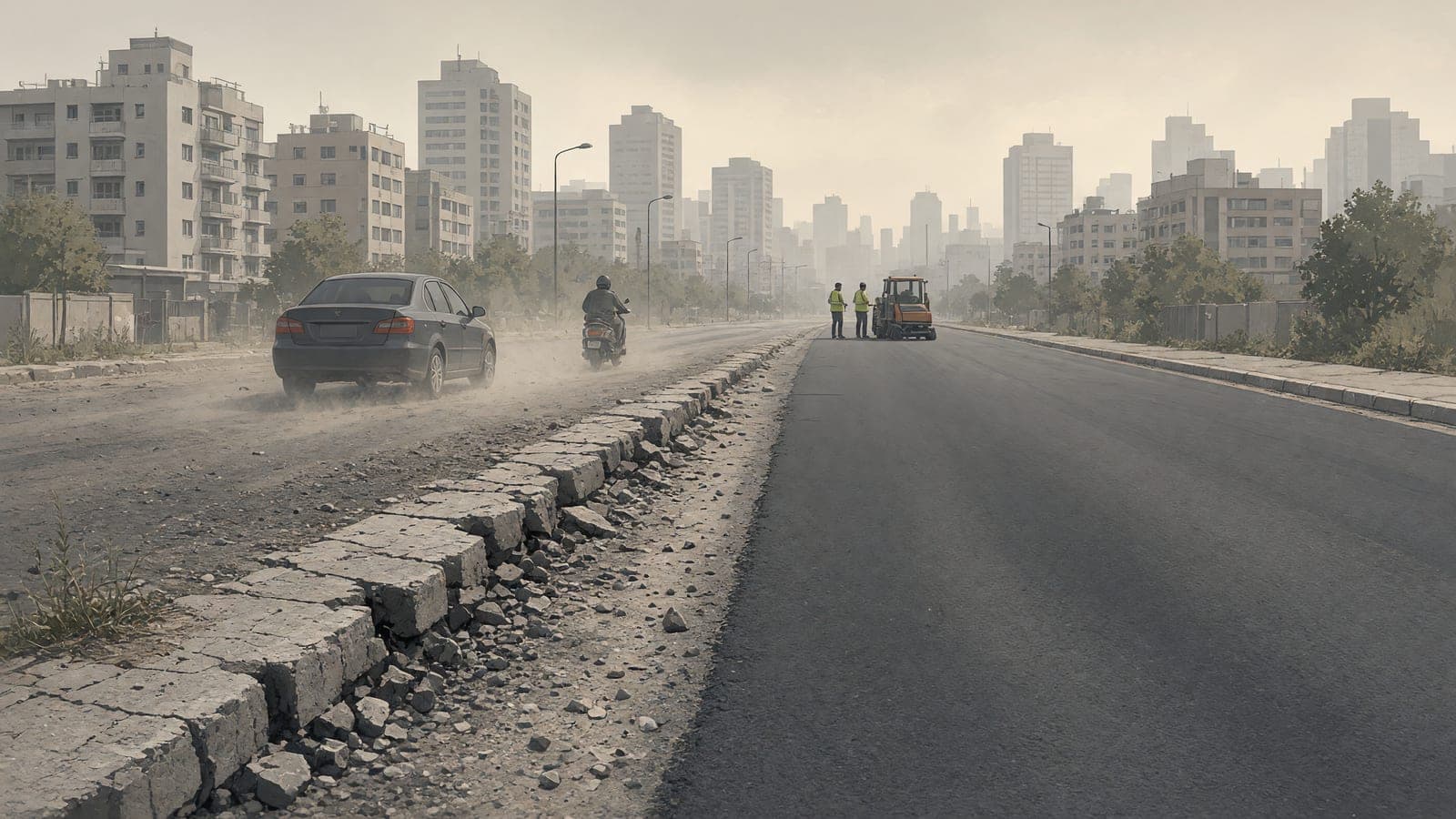
The link is easy to see. A broken road surface sheds loose material. Traffic grinds it down and kicks it into the air, and the problem builds wherever pavement is crumbling at the edges or has been patched again and again. For a capital that faces air-quality pressure every winter, a smooth, intact road is one less source of dust.
The MCD has set a target of resurfacing and strengthening 1,202 km of roads in 2026. Tenders have been invited for the whole length, but budget has been allocated for 962 km. The remaining 240 km will be taken up once the Delhi Government releases the funds, the corporation said.
A science-led approach to repair
The MCD has also signed a memorandum of understanding with the Council of Scientific and Industrial Research–Central Road Research Institute (CSIR-CRRI) for scientific, technology-based pothole repairs, and has procured 12,500 bags of a specialized repair material, each weighing 30 kg. That's 375 tonnes of material set aside for patching.
The cleaning side of the program is just as large. Since a deep-cleaning campaign began on May 18, around 2,900 metric tonnes of silt have been removed from 1,200 km of roads. The MCD has 66 mechanical road sweepers working Public Works Department roads wider than 60 feet, covering around 4,000 km on alternate days and collecting about 180 tonnes of dust a day. A work order for 70 more machines, 15 CNG-powered and 55 electric, was issued on August 4, with phased deployment expected by October, and tenders have gone out to hire 40 more for four months.
What this means for repair quality
Delhi's approach puts a spotlight on something often overlooked: a pothole repair is only as good as how long it stays intact. A patch that ravels, breaks up at the edges or pops out leaves loose aggregate on the road and a fresh hole to fill. In a dust-control program, that's a double loss. The money is spent twice, and the road keeps adding to the problem it was supposed to help solve.
Good repairs start with a material that grips the surrounding pavement and stays put. EZ STREET® Ambient® Asphalt is engineered to bond to asphalt, concrete and itself, so the edges stay tight. It works even in wet holes, which matters in a city coming out of the monsoon, and it's ready for traffic as soon as it's placed and compacted. There's no mixing and no tack coat, and it can be stockpiled for months, so crews can keep supply on hand for fast response.
Lessons for other growing cities
- Count road repair as an environmental measure. Smooth, intact pavement means less loose material on the road.
- Pair patching with cleaning. Sweeping and silt removal work best on roads that aren't constantly shedding new debris.
- Bring in the science. Partnerships with road research institutes help cities choose methods that last.
- Fund the full plan. Delhi's 240 km gap shows how quickly targets depend on the budget catching up.
Delhi is treating potholes as a public health issue as well as a transport one. That's a useful way for any city to think about road repair. Enduring, performance-proven fixes like Ambient® help make sure each repair keeps doing its job, for drivers and for the air everyone breathes. Learn more at ezstreetasphalt.com.
Source notes: The Tribune (Oct 15, 2026).