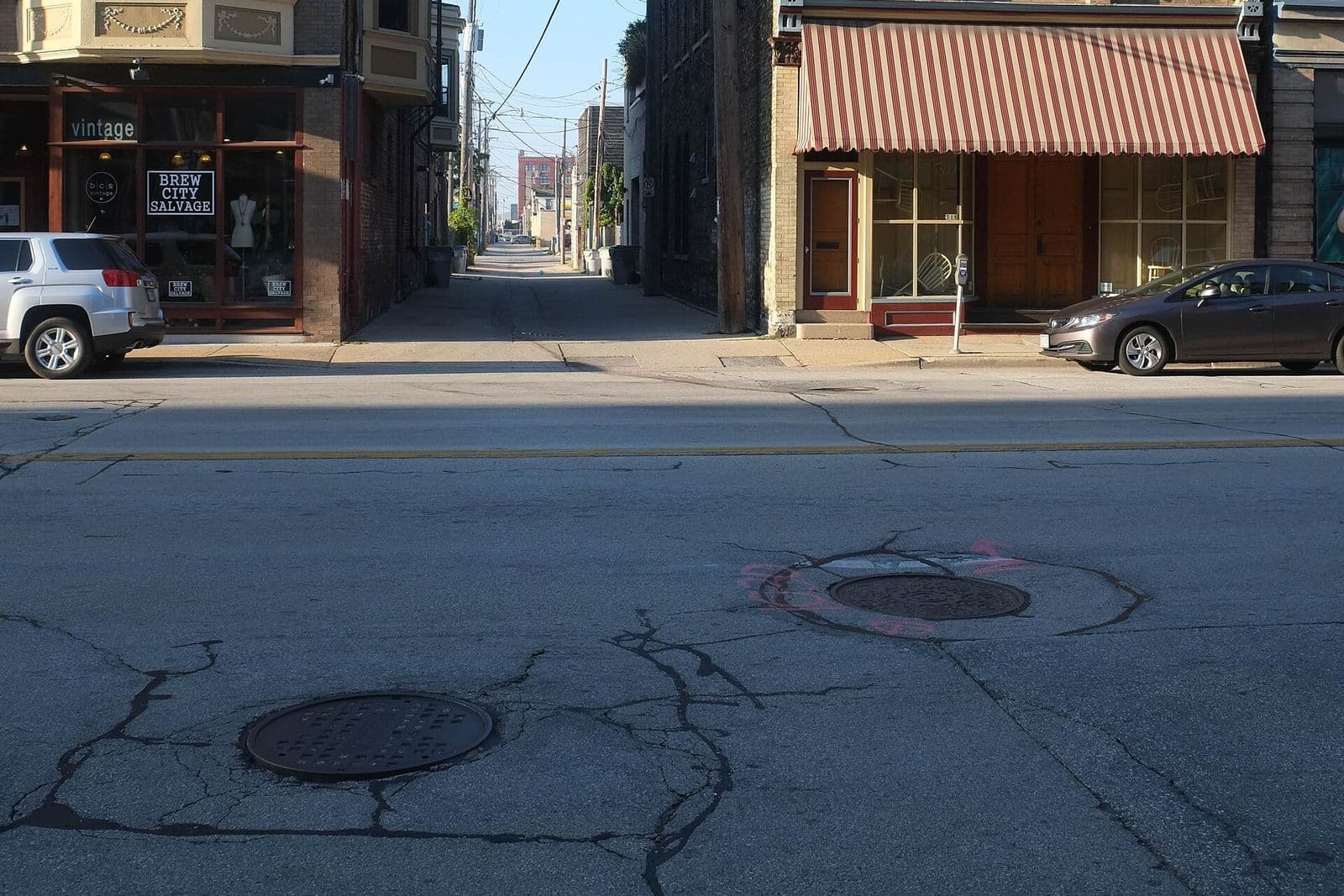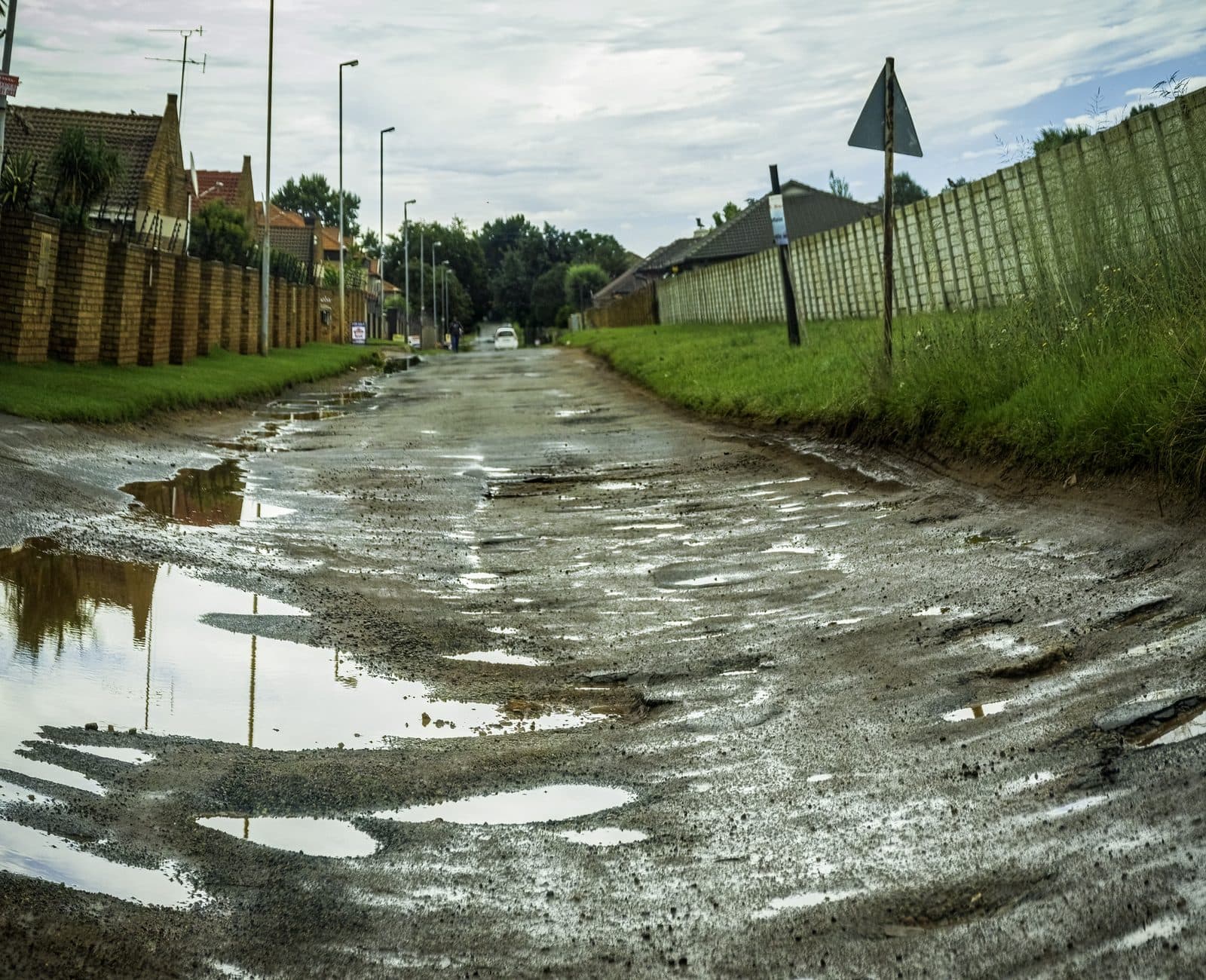
When a road is full of potholes, most drivers don't care whose road it is. They care that traffic has stopped. In Kingston, Jamaica, that frustration has pushed the city to start fixing roads that technically belong to someone else.
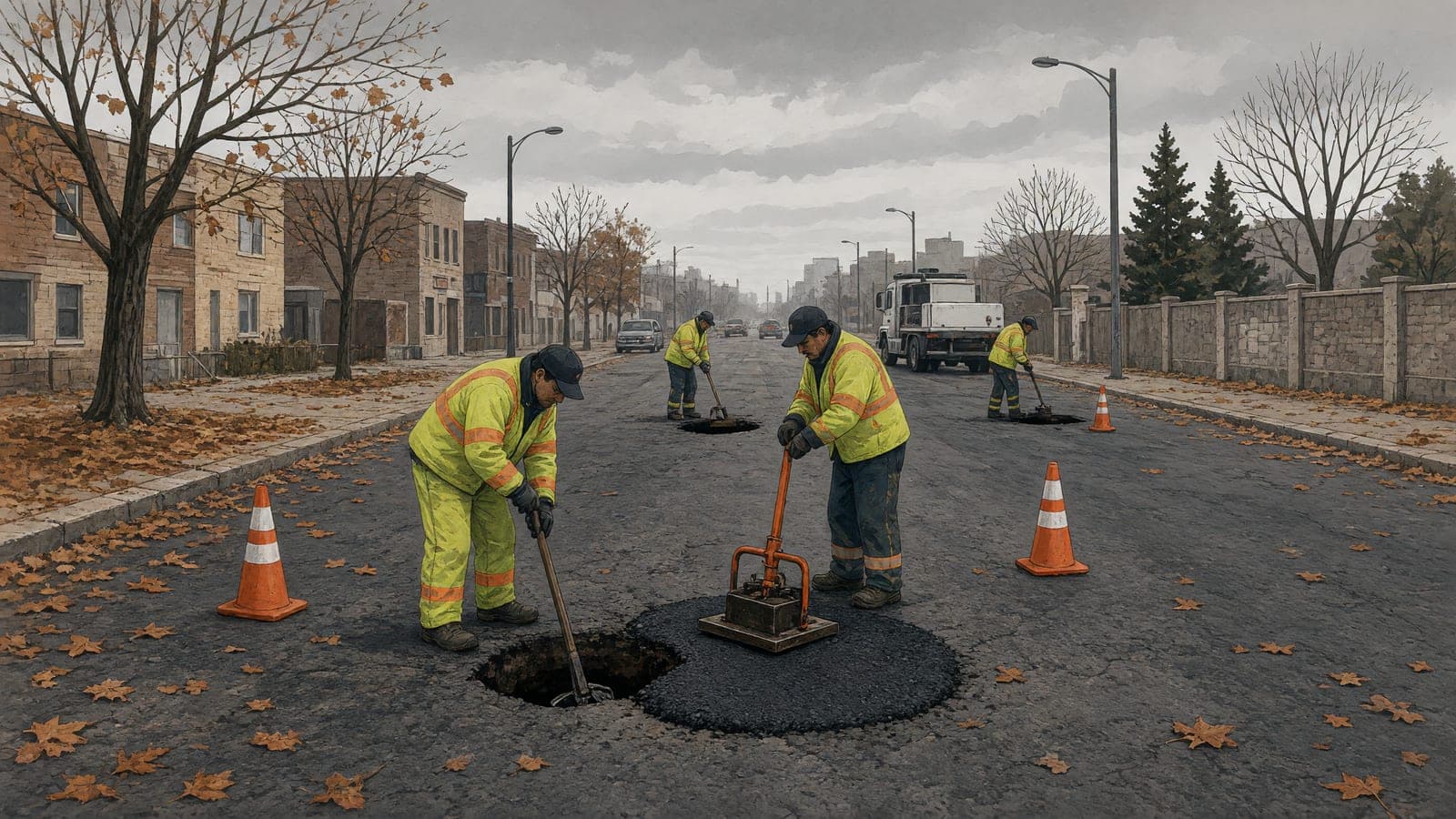
The Kingston and St Andrew Municipal Corporation (KSAMC) has started a major patching project across the city, the Jamaica Observer reported on October 9. Mayor Andrew Swaby said crews have begun work on badly damaged sections of 20 to 25 roads in downtown Kingston, New Kingston and surrounding communities. Some of those roads are under the control of the National Works Agency (NWA), not the municipality.
Potholes as a traffic problem
Swaby's reasoning was practical. "They are not only community roads but actually we are fixing some main roads, and… it's important for us to fix those main roads because clearly, where you have these big craters across the road it impedes traffic," he said. "It appears you have to slow down and it builds up that traffic."
That's a cost that rarely shows up in a road budget. Every pothole on a main route slows hundreds or thousands of vehicles a day. Drivers brake, swerve and bunch up. Commutes get longer, buses run late and deliveries cost more. Fixing a busy road quickly often pays back faster than any line item suggests.
Split responsibility, stretched budgets
The patching drive comes after months of public disagreement between some municipal leaders and Robert Morgan, the minister responsible for works, over road conditions and funding. Morgan has argued that municipal corporations must do more to maintain their own roads. Swaby has countered that the Parochial Revenue Fund, which pays for road work, also has to cover other municipal duties, and that the corporation has no dedicated road fund.
"There are times… we have to divert those funds in cleaning drains," he said.
The KSAMC announced a J$220 million road rehabilitation programme earlier this year covering all 40 of its divisions, and said 33 roads had been repaired for J$90 million by March. In June it raised its Divisional Allocation Fund from J$10 million to J$13 million for each urban division and J$13.5 million for rural divisions, money that also covers drain cleaning and emergency work.
When money is tight, repeat repairs are the enemy
Kingston's situation is common around the world. Roads are split between agencies, budgets are shared with other priorities and the public sees only the hole. In that setting, the most expensive repair is the one you have to do twice.
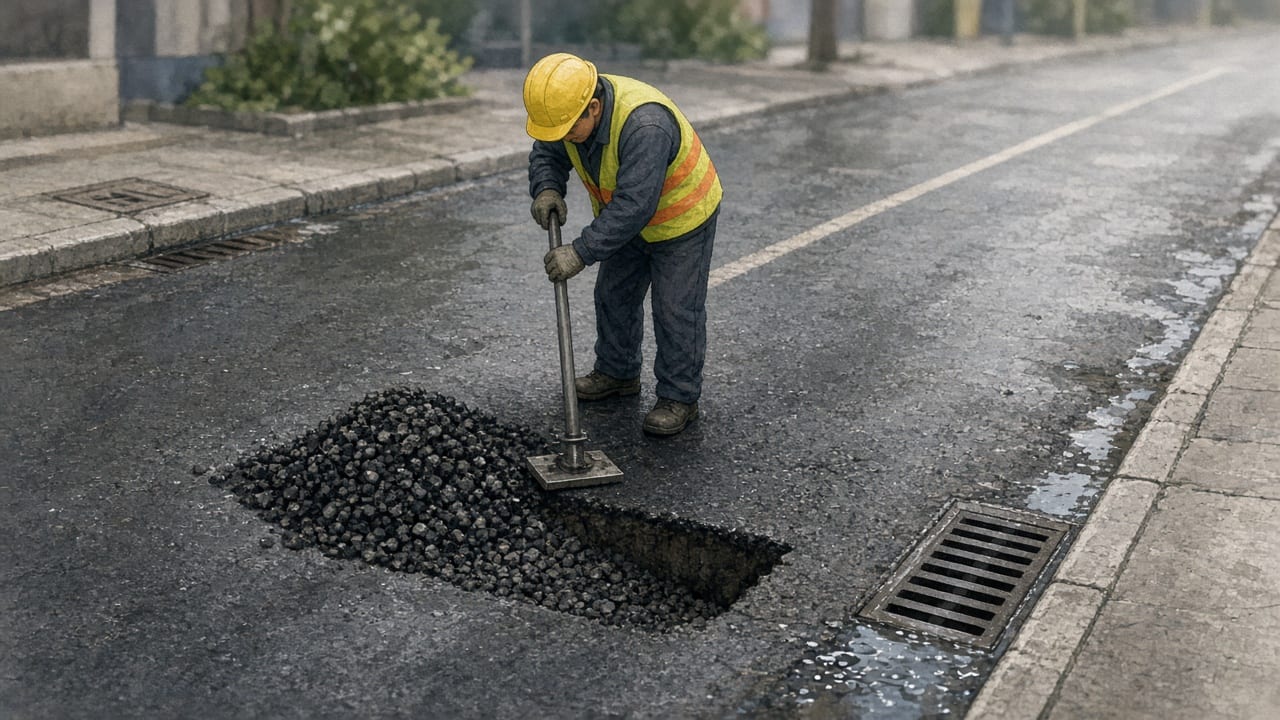
A patch that loosens in the next heavy rain means another crew visit, another traffic slowdown and another round of complaints. A repair that's built to endure frees up money for the next road on the list. That's where a ready-to-use, engineered material such as EZ STREET® Ambient® Asphalt fits. It bonds to asphalt and concrete, works in wet holes, needs no mixing or tack coat and can carry traffic as soon as it's compacted, so crews can fix a main road and reopen it fast. Because it can be stockpiled for months, it also suits agencies that fund repairs in bursts rather than on a steady monthly budget.
A shared goal
However the funding argument is settled, the goal is the same for the city, the national agency and the drivers stuck in traffic: roads that stay fixed. Kingston's patching drive is a step toward that. Pairing it with clear drains and thermally resilient repair materials would help those 20 to 25 roads stay off next year's list. Learn more at ezstreetasphalt.com.
Source notes: Jamaica Observer (Oct 9, 2026).