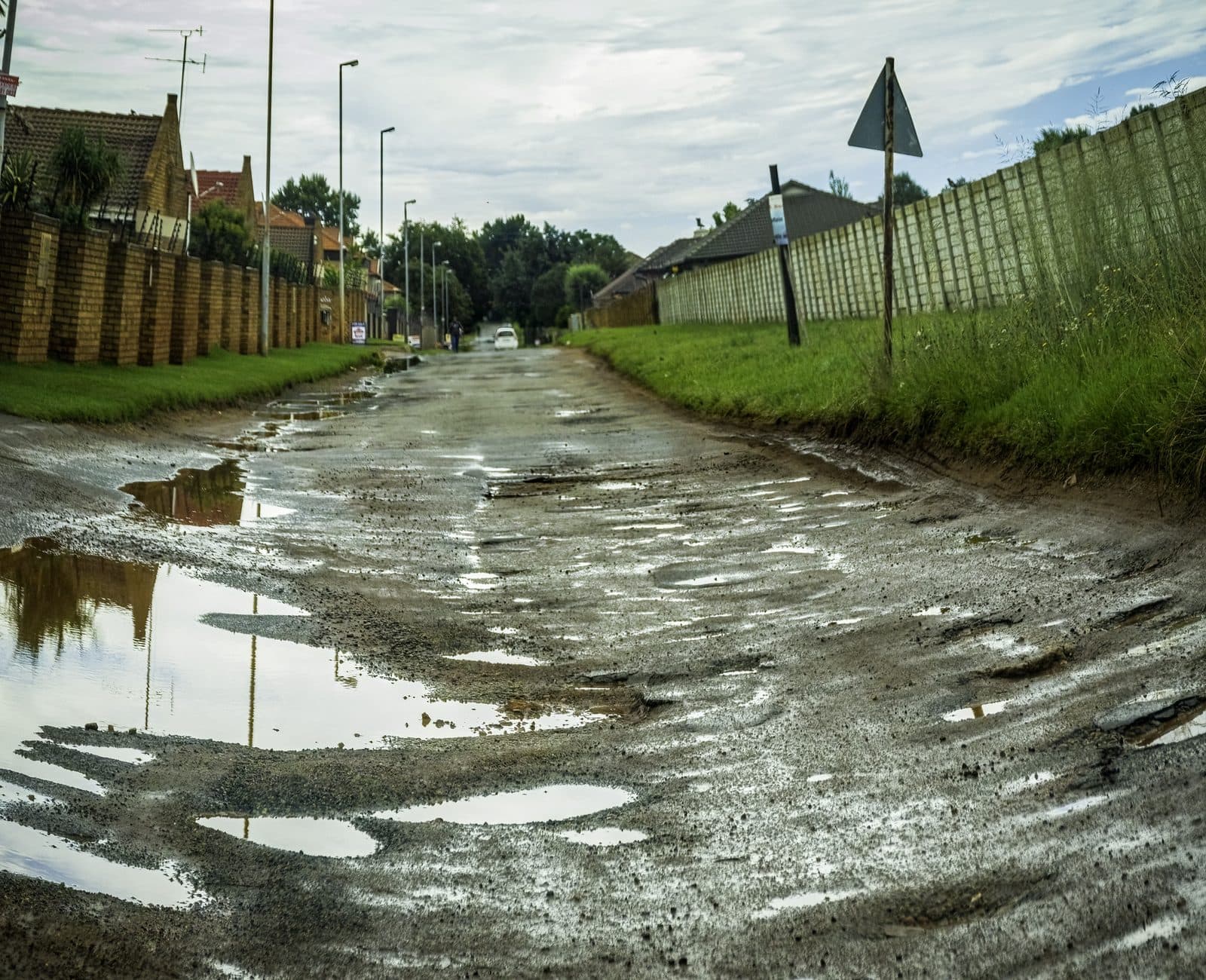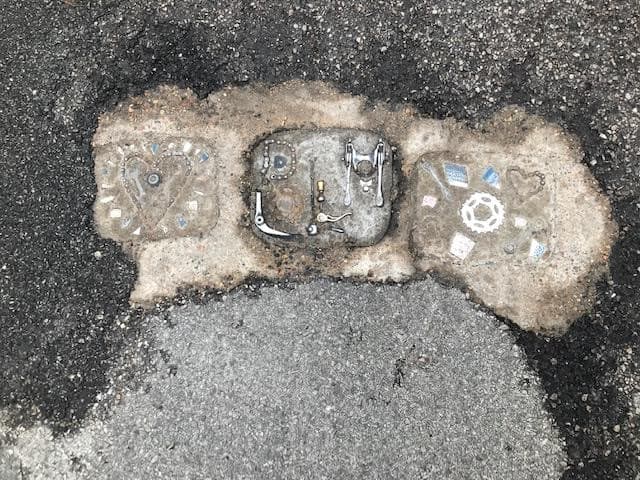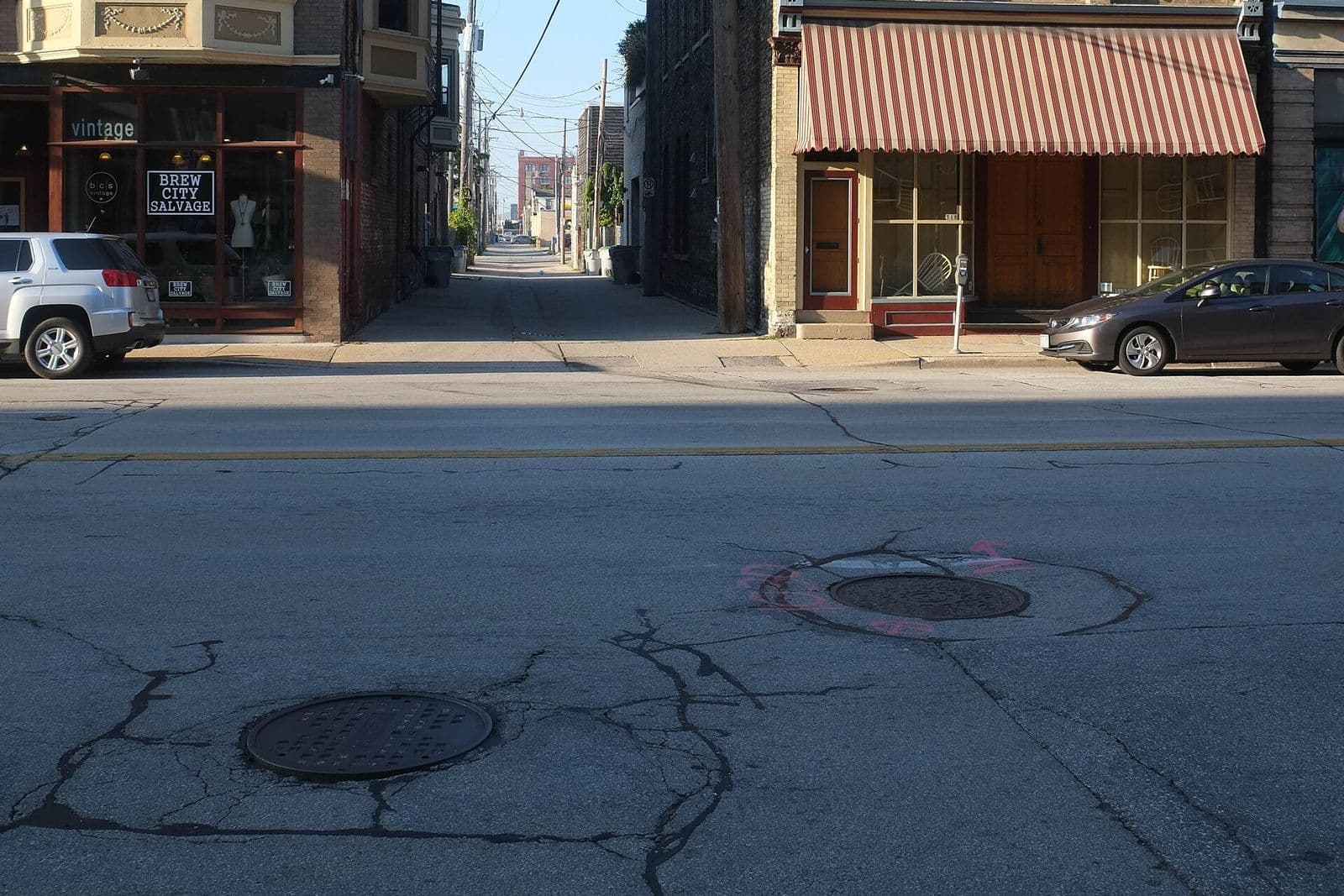
Some years, the pothole queue is annoying. Other years, it rewrites the budget.
Milwaukee is living through the second kind. As of 31 August 2026, the city had taken 23,075 pothole service requests, far above its typical annual average of about 8,600. Spectrum News 1 reported that nearly 7,800 of those requests were still open when Common Council members moved to free up cash and speed up the work. Residents weren’t imagining the bounce in the steering wheel. The data caught up with the commute.
The immediate response was practical. The council moved $300,000 left over from road projects that came in under budget. The money will speed up concrete panel replacements in alleys and local streets and bring outside contractors into work that usually sits with the Department of Public Works. Ald. Peter Burgelis called it a “record year” that deserves a “record response.” Mayor Cavalier Johnson’s proposed 2027 budget would raise road-repair funding from $16.7 million to $19.2 million. That includes $12 million for paving that extends street life, $7 million for reconstruction, and equipment to fill more holes.
That mix is the right instinct. Reactive fills keep people moving. Capital paving and reconstruction shrink next winter’s crater list. South Side residents who describe the same driveway-edge hole for months are the human cost of a backlog that outruns crews. Every delayed repair gives water, freeze-thaw, and traffic another chance to turn a manageable defect into a structural failure.
Here’s the part cities sometimes miss when call volume spikes. Going faster with the same temporary habits just multiplies return visits. Burgelis himself said the goal is to stop depending on the same alley or panel that “keeps getting filled and filled year after year.” That’s a materials and methods problem. If a hole is cleaned poorly, left wet without a mix that can handle it, or opened to traffic before it’s compacted, the next rain reopens the bill.
Private sites feel a quieter version of the same pressure. Warehouse yards, apartment lots, and school drives don’t show up in Milwaukee’s 311 dashboard. They still produce the same claims, the same complaints, and the same scramble when a wet week opens three defects overnight. Property managers can’t wait for a mid-year council resolution. They need a repair they can stock, place, and trust.
EZ STREET® Ambient® Asphalt is built for that kind of response. It’s an engineered, ready-to-use repair material designed for enduring patches that stay thermally stable across temperature swings. Crews can use bags for smaller defects or order by the ton for larger programmes. When the repair is properly prepared and compacted, it goes in without on-site heating, and traffic comes back sooner than a “wait for the plant” cycle usually allows. Learn more at ezstreetasphalt.com.
Ambient® doesn’t replace Milwaukee’s proposed paving increase. Fresh surface is still the best long-term defence. What Ambient® can do is close the gap between “reported today” and “driving on it tonight” with a performance-proven fill. That way the record year becomes a story about catching up, not about chasing the same holes twice.
If your city just posted ugly request totals, treat the number as a planning signal. Fund the crews. Fund the resurfacing. And when you do fill, choose materials engineered to last through the next storm cycle, not just until the next complaint.
Source notes: Spectrum News 1 (23 Sep 2026); ezstreetasphalt.com/what-is-ez-street
Cover photo: Paul Sableman (cropped), CC BY 2.0.