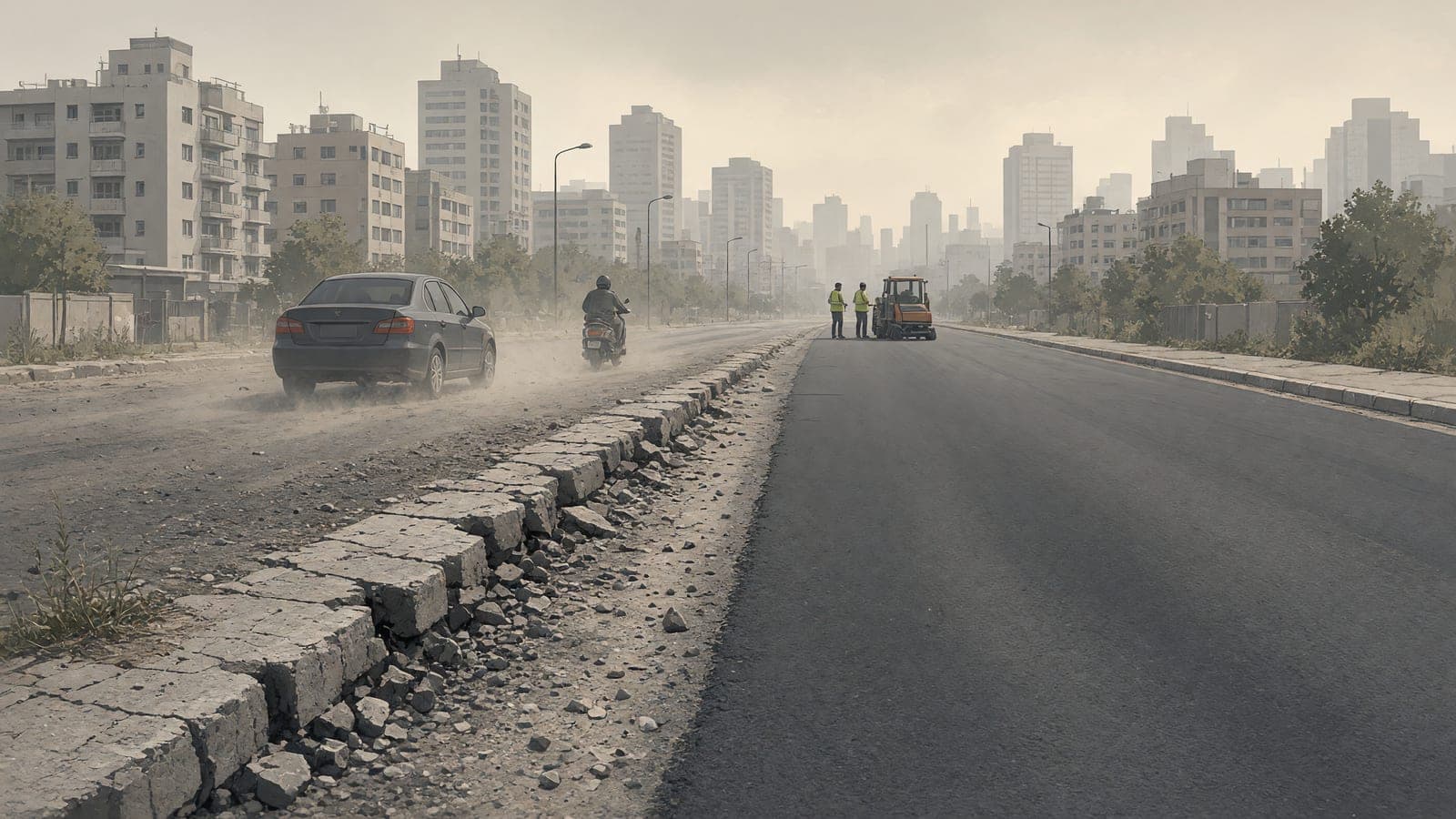
When San Diego's crews arrived on Bernardo Oaks Drive in Rancho Bernardo this month, they were working on a road that hadn't had major improvements since 1987, according to NBC 7 San Diego. That year, the station noted, a gallon of regular gas averaged 91 cents.
"San Diegans are very clear, they want us to fix the damn roads," Mayor Todd Gloria said at a press conference on the street on October 23.
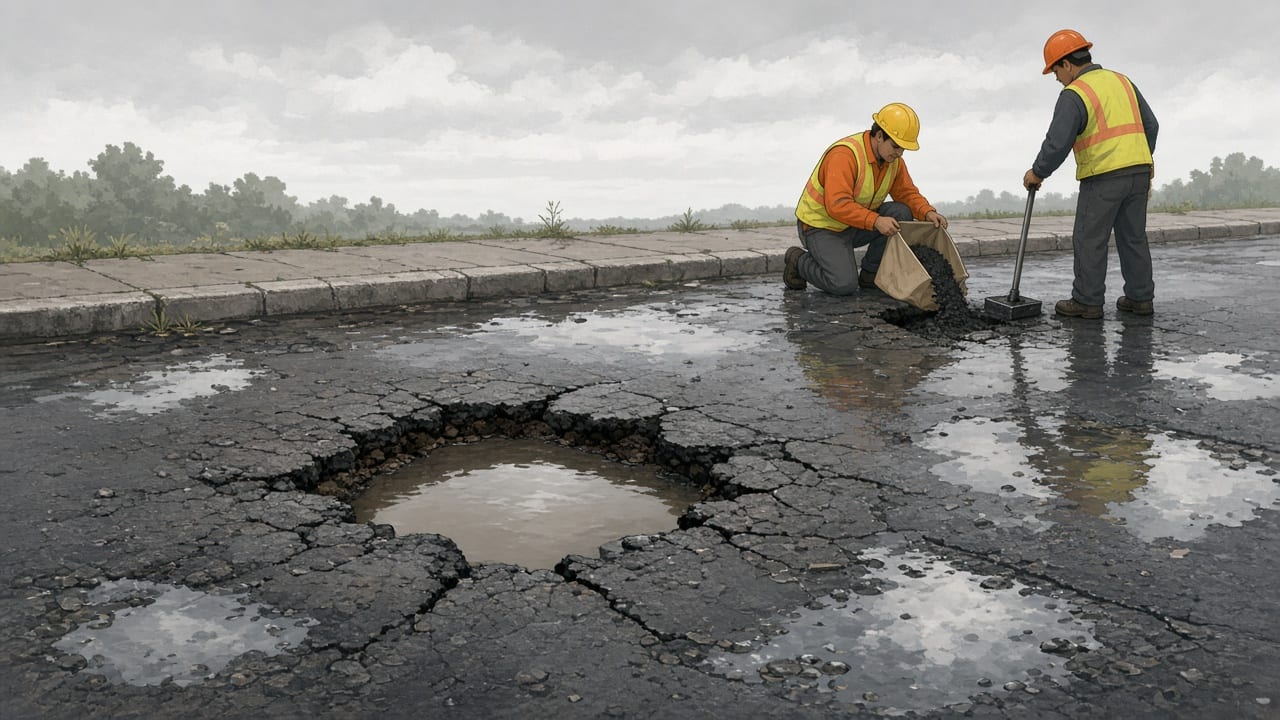
In-house crews doing the work
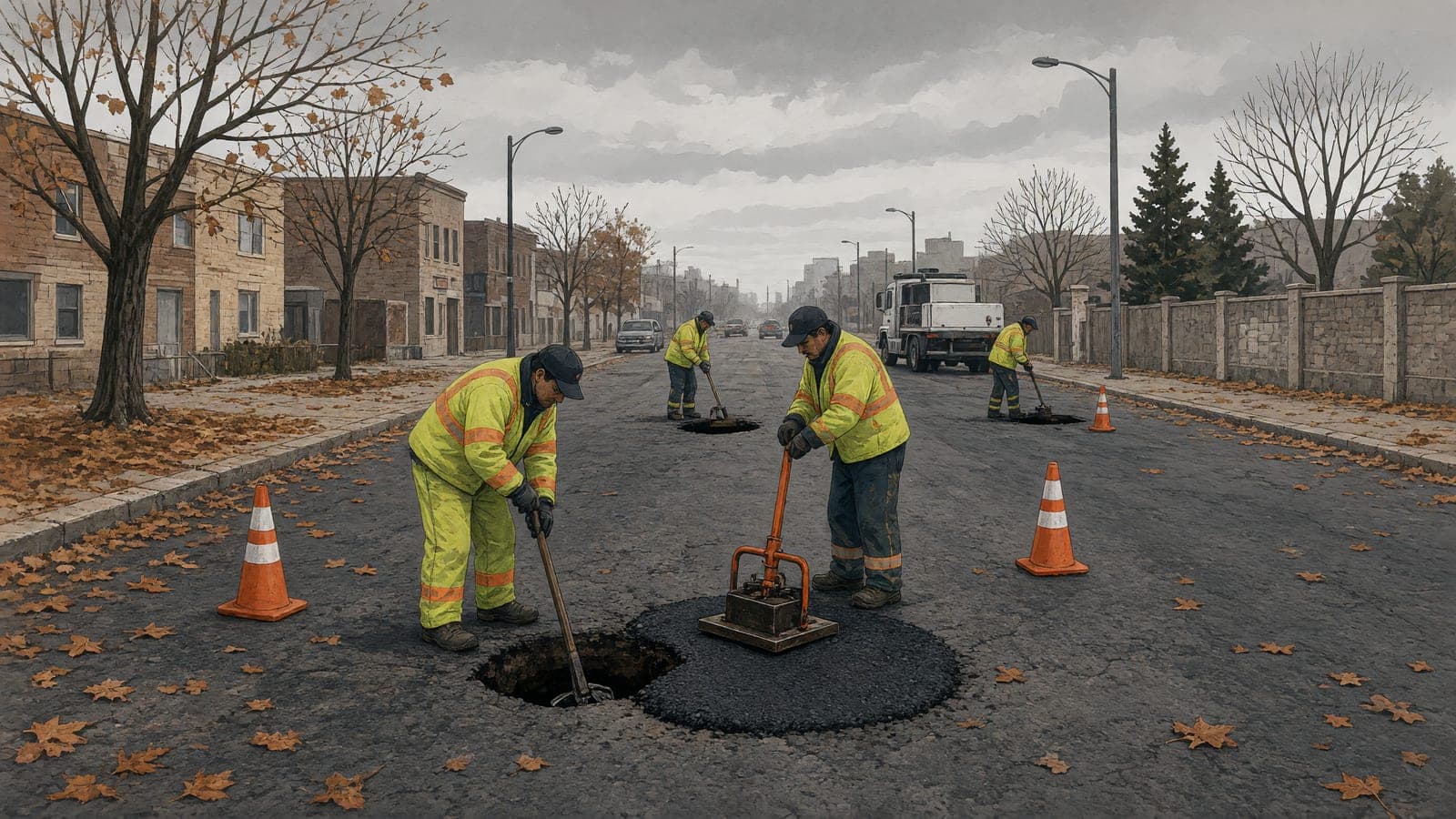
The city is relying on its own employees for a share of the job. Three dedicated paving and reconstruction teams from the city's transportation and public works departments run a Mill and Pave program. Since 2023, they've improved nearly 75 miles of streets hit by severe potholes and cracks, and they're scheduled to complete more than 30 more miles by June 30. Gloria said using city employees instead of more expensive outside contractors helps stretch taxpayer money.
For residents, the change is personal. Ten-year-old Jacob Javonillo, who lives on the street, told NBC 7 there used to be "a lot of big chunks" of broken pavement. "There was one time they tried to fix the road, but that didn't really work," he said.
Rain is the real stress test
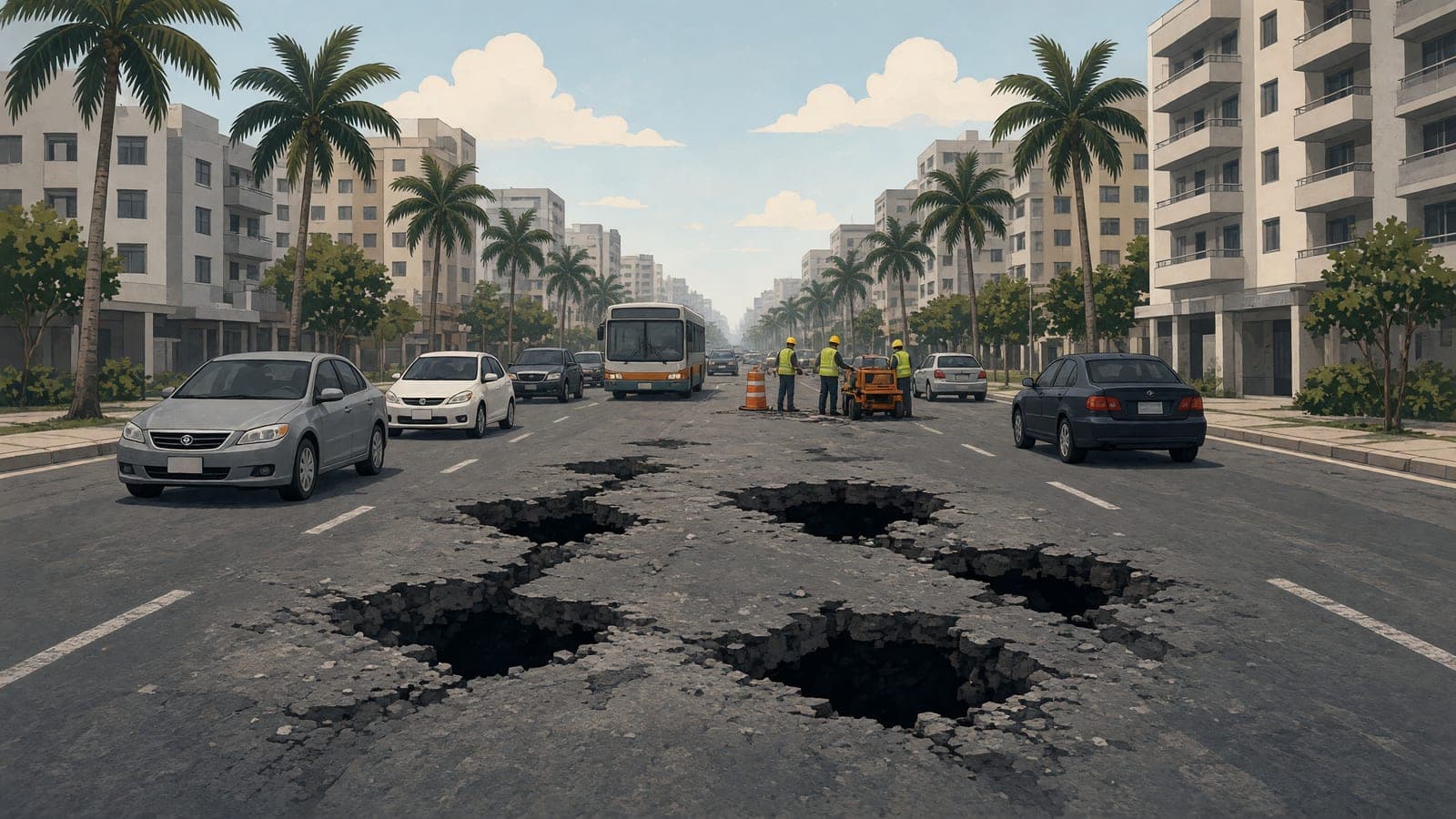
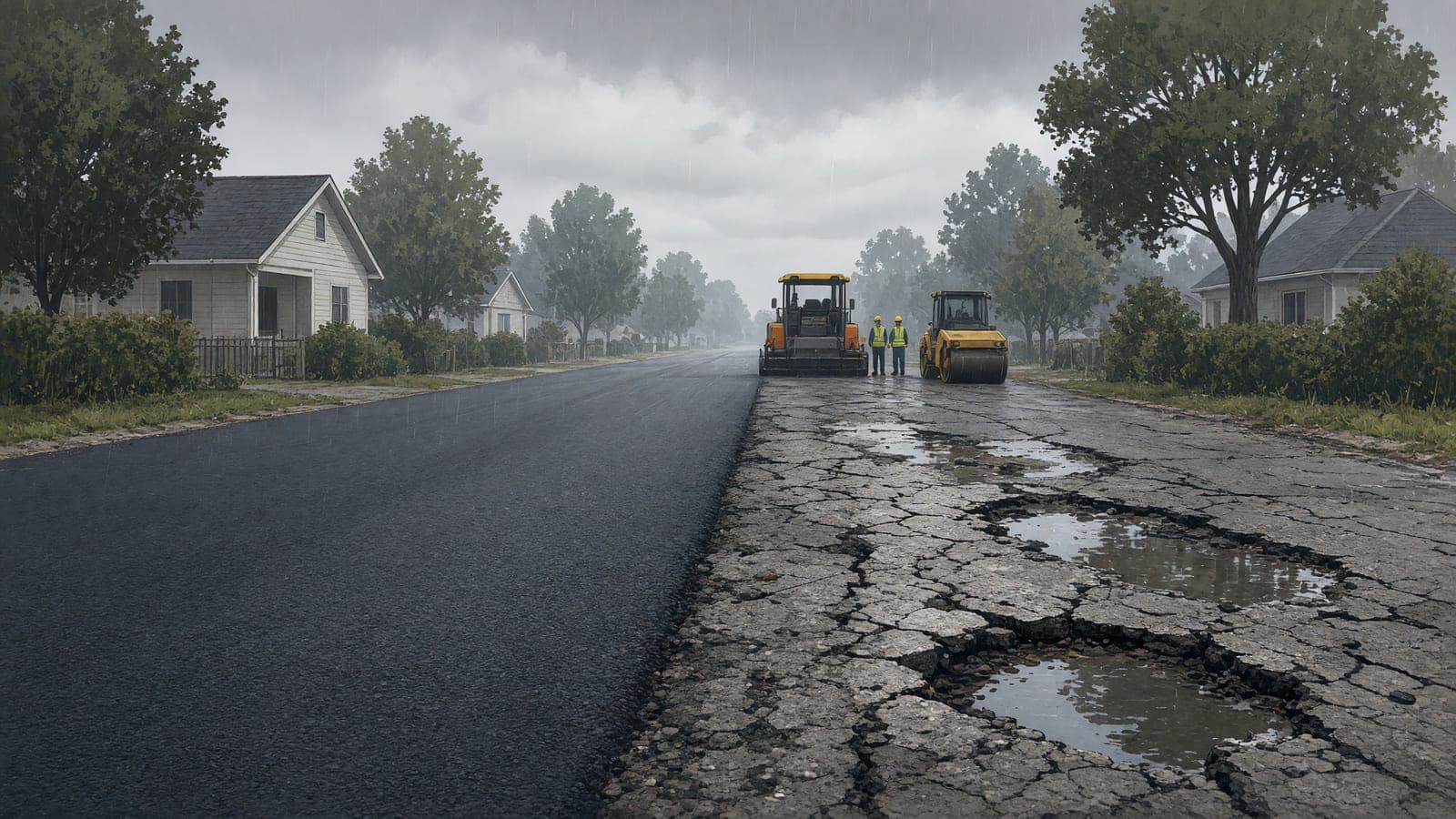
The repairs come as recent rain exposes worsening potholes across the city. Water seeps into cracks and existing holes, undermining the pavement and turning small defects into hazards. Drivers told NBC 7 they want faster progress. "You can drive, hit a pothole, and cause an accident," said one, Sharon Harris. Another, Gaby Miles, put it more patiently: "It's slow, but if nothing changes, nothing changes."
Keeping streets safe between repavings
Repaving is the long-term answer for roads like Bernardo Oaks Drive. But most streets in any city are years away from their turn, and potholes don't wait. That's where quick, durable patching keeps residents safe in the meantime.
EZ STREET® Ambient® Asphalt is engineered for that in-between work. It goes into wet holes and holes holding water, which matters after a storm, bonds to asphalt and concrete, and is ready for traffic once it's compacted. Crews don't need mixing equipment or tack coat, and the material can be stockpiled for months, so in-house teams can respond the day a report comes in. It's thermally stable, holding up through heat as well as wet weather.
Takeaways for other cities
- Build in-house capacity. Dedicated city teams can move quickly and learn what lasts.
- Pair repaving with rapid patching. Long-term projects and short-term safety work go hand in hand.
- Don't let rain set the schedule. Materials that work in wet conditions keep crews productive.
Bernardo Oaks Drive waited almost four decades. With enduring repairs like Ambient® holding the line between repavings, other streets shouldn't have to. Learn more at ezstreetasphalt.com.
Source notes: NBC 7 San Diego (October 23, 2026).