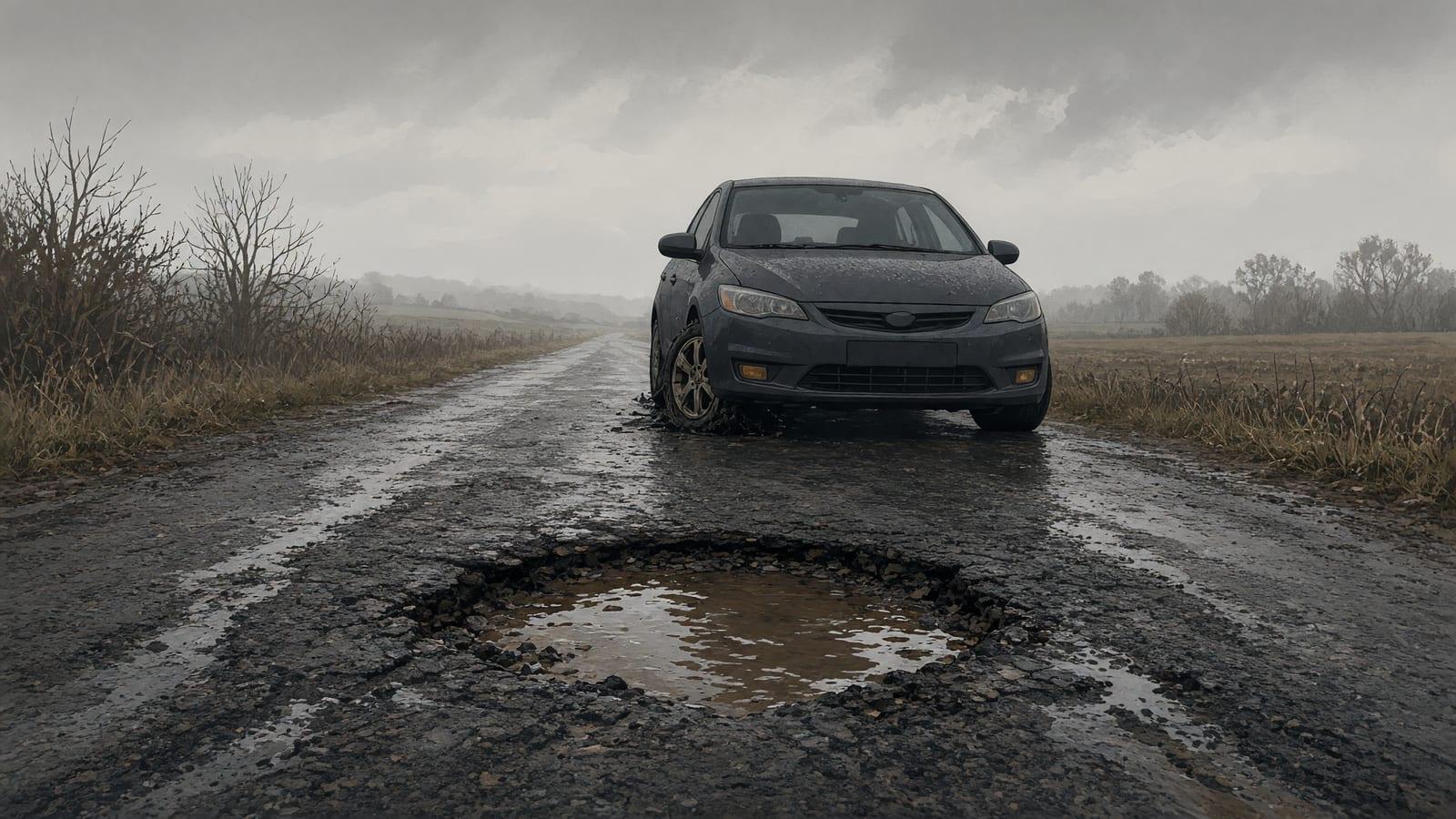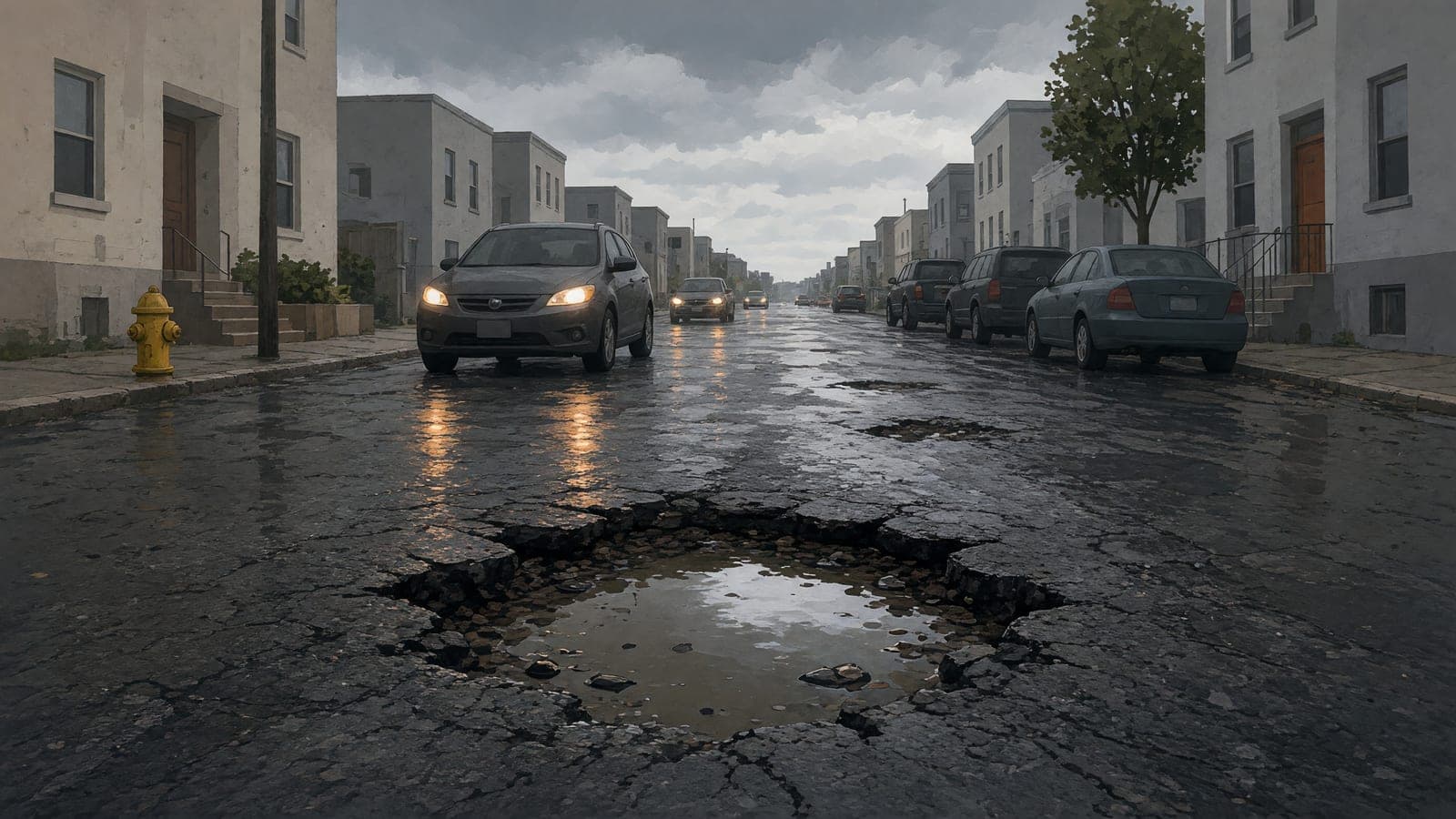
A new survey suggests that pothole damage is now a common part of driving in the UK. Price comparison site MoneySuperMarket asked more than 1,300 drivers about their experiences, and 26% said a pothole had damaged their car. Scaled up, that's more than 11 million motorists, according to Bodyshop Magazine.
The numbers behind the frustration
The survey also found:
- Online searches for "pothole damage" rose 187% in the past year.
- 43% of drivers have swerved or braked sharply to avoid a pothole or speed bump.
- 31% have driven on the wrong side of the road to avoid one.
The damage itself is familiar: buckled wheels, punctured tyres and damaged suspension. Separate figures from MotorEasy show alloy wheel claims rose 25% between October 2025 and September 2026, with the average claim cost up 8%. MotorEasy says claims usually peak in March, after months of wet winter weather.
The bigger worry is what drivers do to avoid them
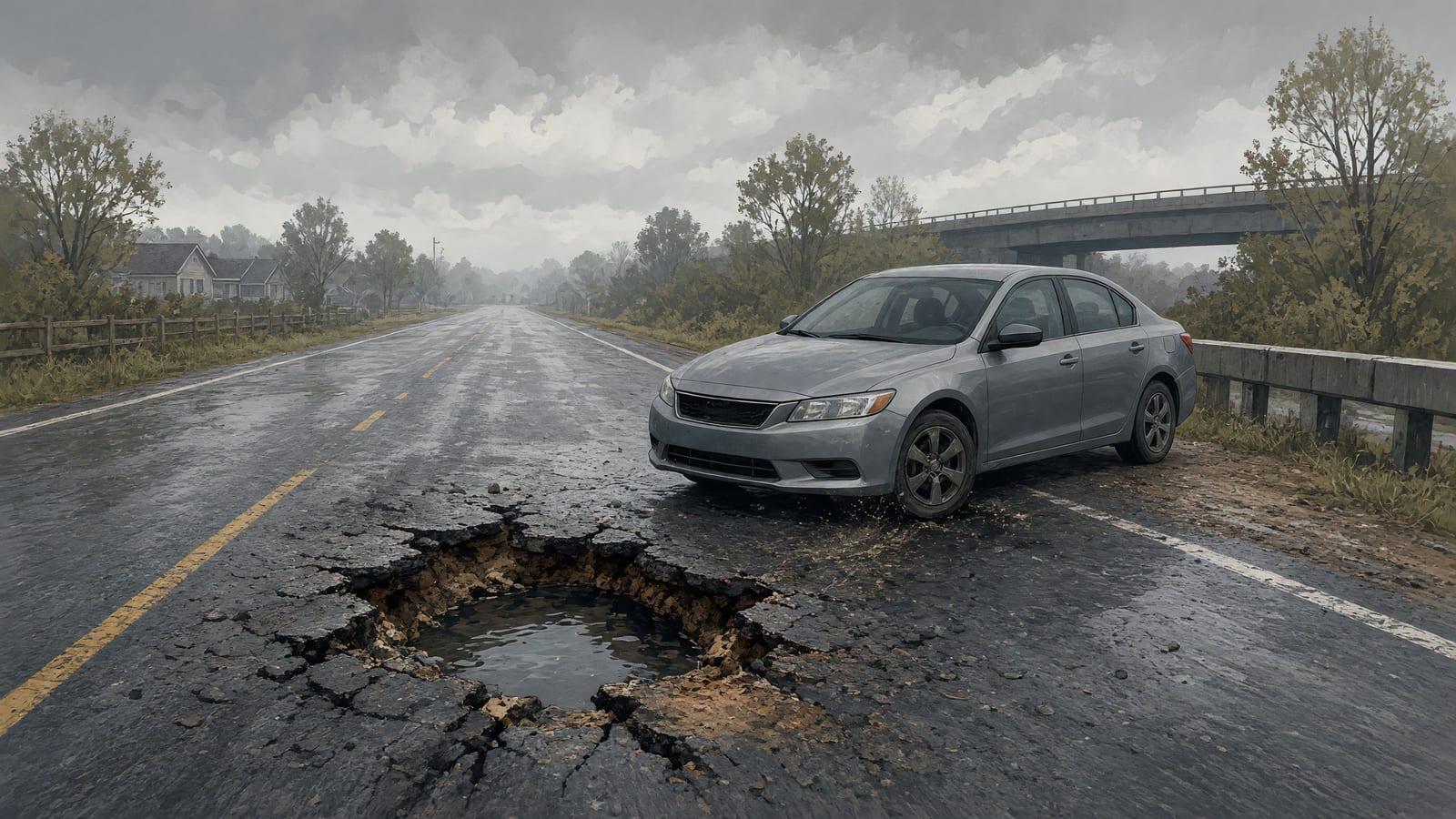
MoneySuperMarket's car insurance expert Alicia Hempsted pointed out that the avoidance tactics can be riskier than the pothole. Sudden swerving, hard braking or crossing into the other lane can cause far worse outcomes, especially in heavy traffic or poor visibility.
Her advice is practical: keep a safe speed and distance so you can spot hazards early. If you can't avoid a pothole safely, slow down and drive over it rather than swerving.
That's sensible guidance for drivers. But it also shows that road condition is a public safety issue, not just a repair bill. Every pothole that stays open puts drivers in a position to make split-second decisions.
Fewer holes, fewer risky decisions
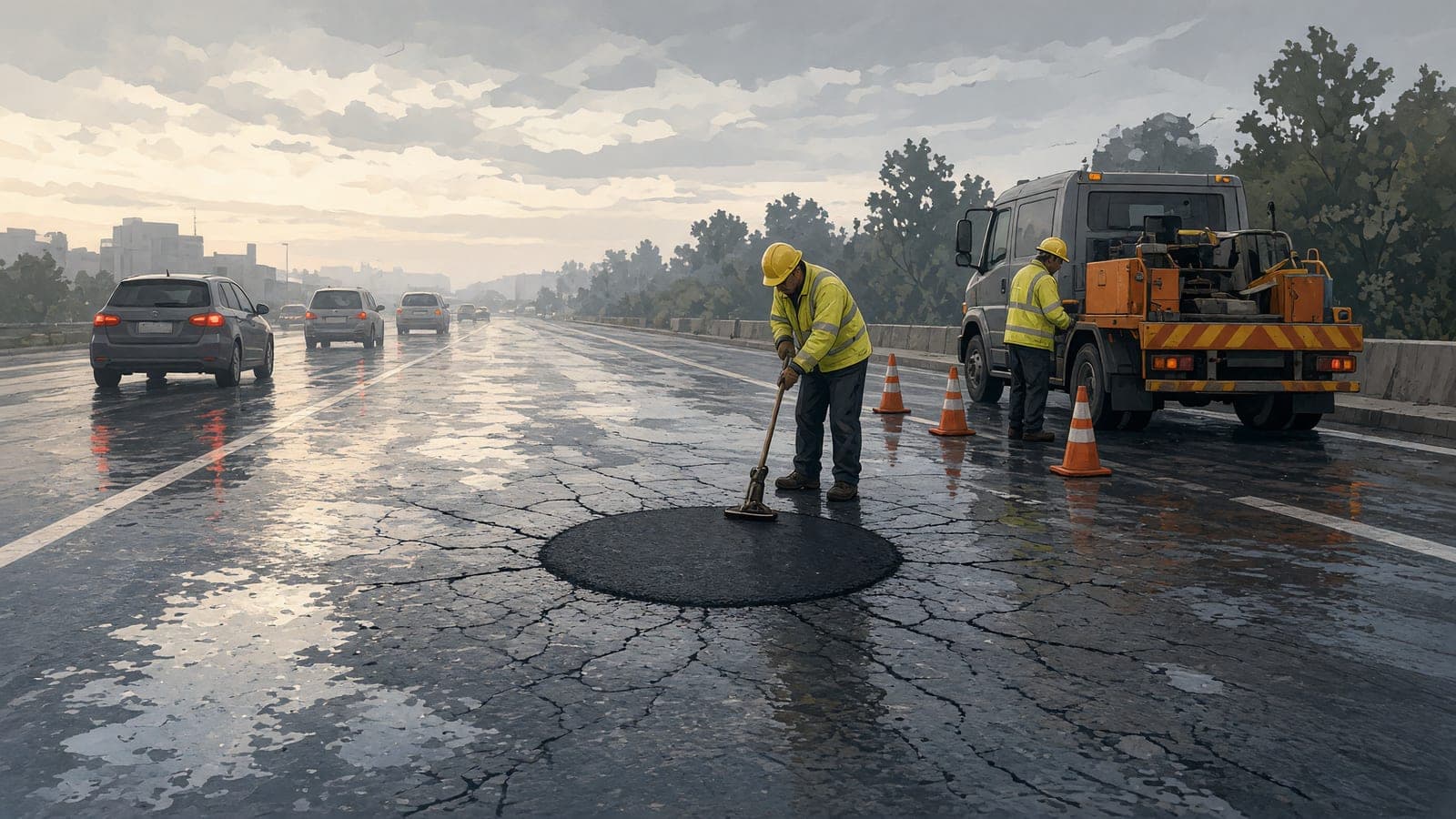
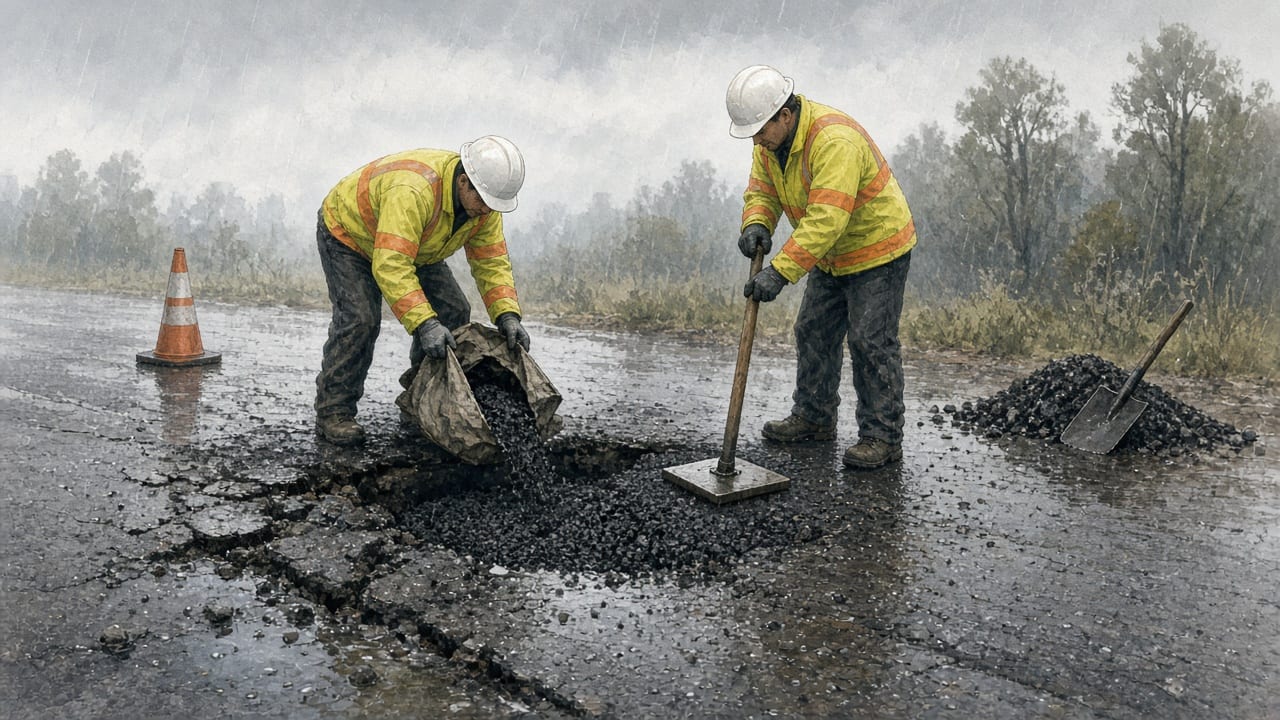
The best way to stop risky swerving is to get potholes filled quickly and make sure they stay filled. Repairs that break up after a few weeks of rain create the same hazard again, often in winter, when visibility is poor and roads are wet.
EZ STREET® Ambient® Asphalt is engineered for that situation. It goes straight into the hole from the bag or bulk pile, works in wet holes, bonds to the surrounding pavement and opens to traffic once compacted. Because it's thermally resilient, it holds through freeze-thaw cycles instead of crumbling back into the hazard drivers were trying to avoid.
What drivers can do now
- Report it. Councils can't fix what they don't know about. In England, use gov.uk/report-pothole.
- Slow down after rain. Standing water can hide deep holes.
- Check tyres and wheels after a hard hit.
Eleven million damaged cars is a clear signal. Faster, enduring repairs protect both drivers' wallets and their safety. Learn more at ezstreetasphalt.com.
Source notes: Bodyshop Magazine (November 11, 2026); Intelligent Motoring / MotorEasy (October 26, 2026).