The number of potholes reported in a city tells you something. The number still waiting to be fixed tells you more.
In San Francisco, residents filed 3,205 pothole and street repair complaints with 311 this year through October, up 58.9% from 2,017 over the same period of 2025, according to an analysis of city 311 data published October 14 by Transparent.city. But the figure that stands out is the backlog. There were 530 complaints still open, compared with 74 at the same point last year, an increase of 616%.

And the wait is getting longer. The average time to close a pothole request in October was 43 days, up from 18 days in September and 18 days in October 2025.
A level that moved and stayed
The analysis found the jump wasn't gradual. Complaints ran at roughly 42 a week through most of 2024 and 2025, then shifted to about 87 a week starting in January 2026 and stayed there. The week of January 5, 2026, logged the highest single-week count in the two-year series.
The complaints are spread across the city. Through October 12, the Central police district logged the most at 475, followed by Northern at 448 and Taraval at 435.
There's important context. Transparent.city noted that 2025 was unusually quiet, the lowest sustained period in a decade of data, and that 2026 volume is still well below 2016 to 2019, when monthly totals regularly ran from 500 to 1,200. Part of this year's rise is a return toward more normal levels, and 83% of this year's complaints have been closed. The concern is that the queue is growing faster than crews are clearing it, heading into the wet season.
San Francisco isn't alone
Detroit is seeing a similar pattern. Pothole requests through the city's Improve Detroit system rose 60% in the first nine months of 2026, from 1,880 to 3,013, Transparent.city reported October 9. Most of that came early, with 1,401 requests from January through April against 780 a year earlier. Citing ClickOnDetroit, the analysis noted that the Michigan Department of Transportation used more than 111,000 tons of salt across Metro Detroit last winter, about 35% above average, and said heavy salting and repeated freeze-thaw cycles added to pavement damage.
As both analyses point out, a 311 count measures reports, not pavement, and it depends on how many people use the system. For drivers, though, the trend is easy to read.
What a longer wait means behind the wheel
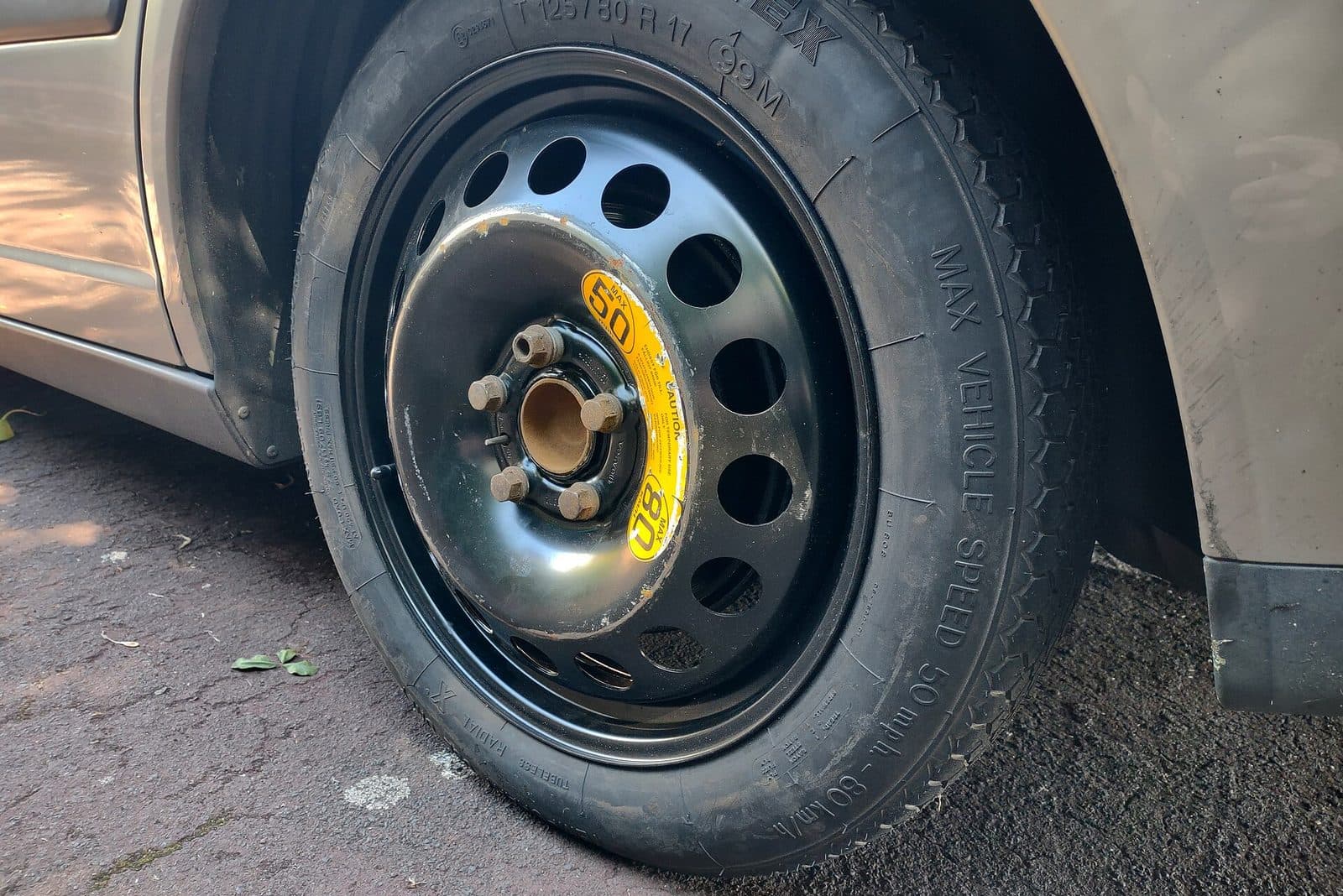
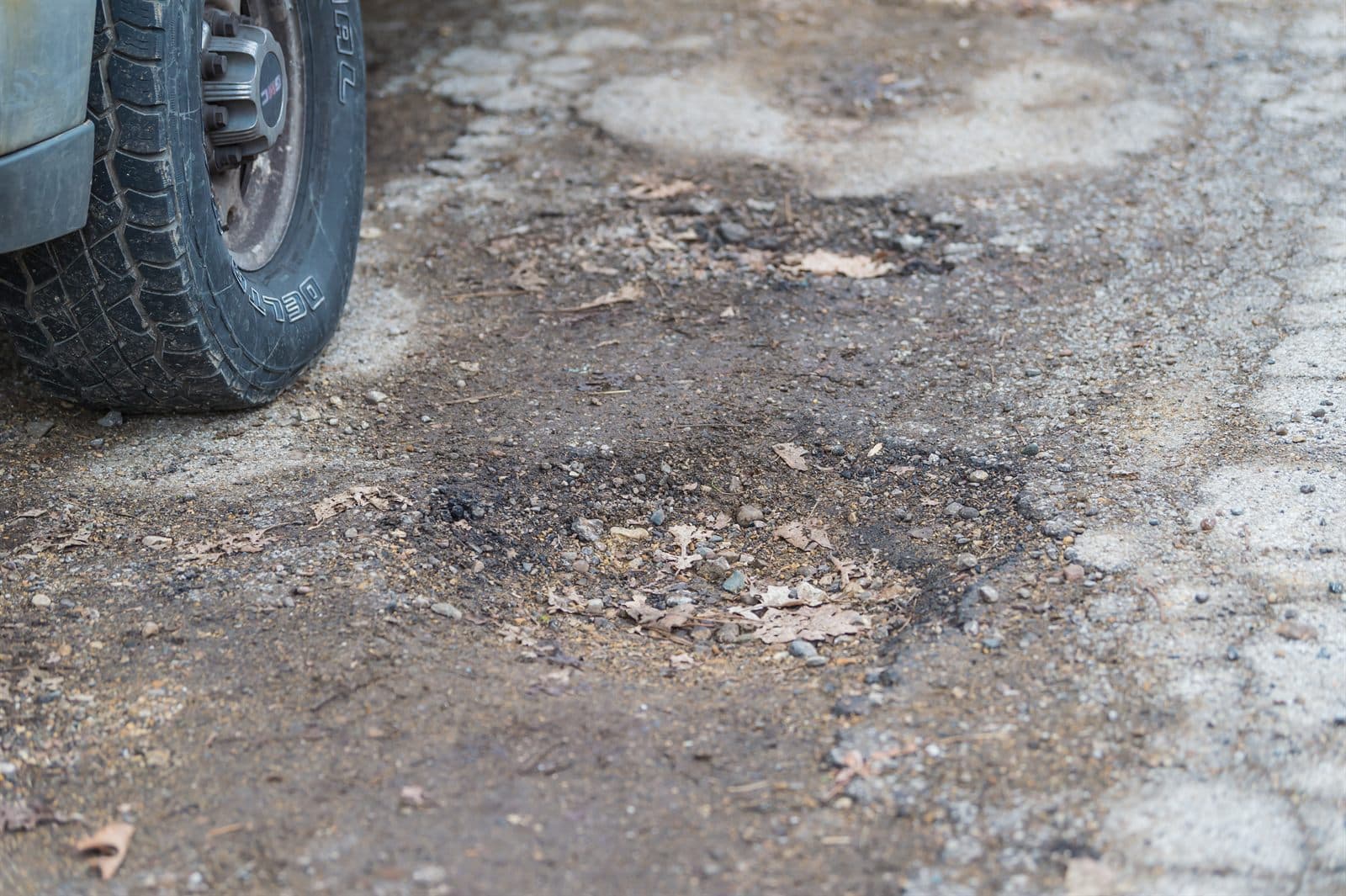
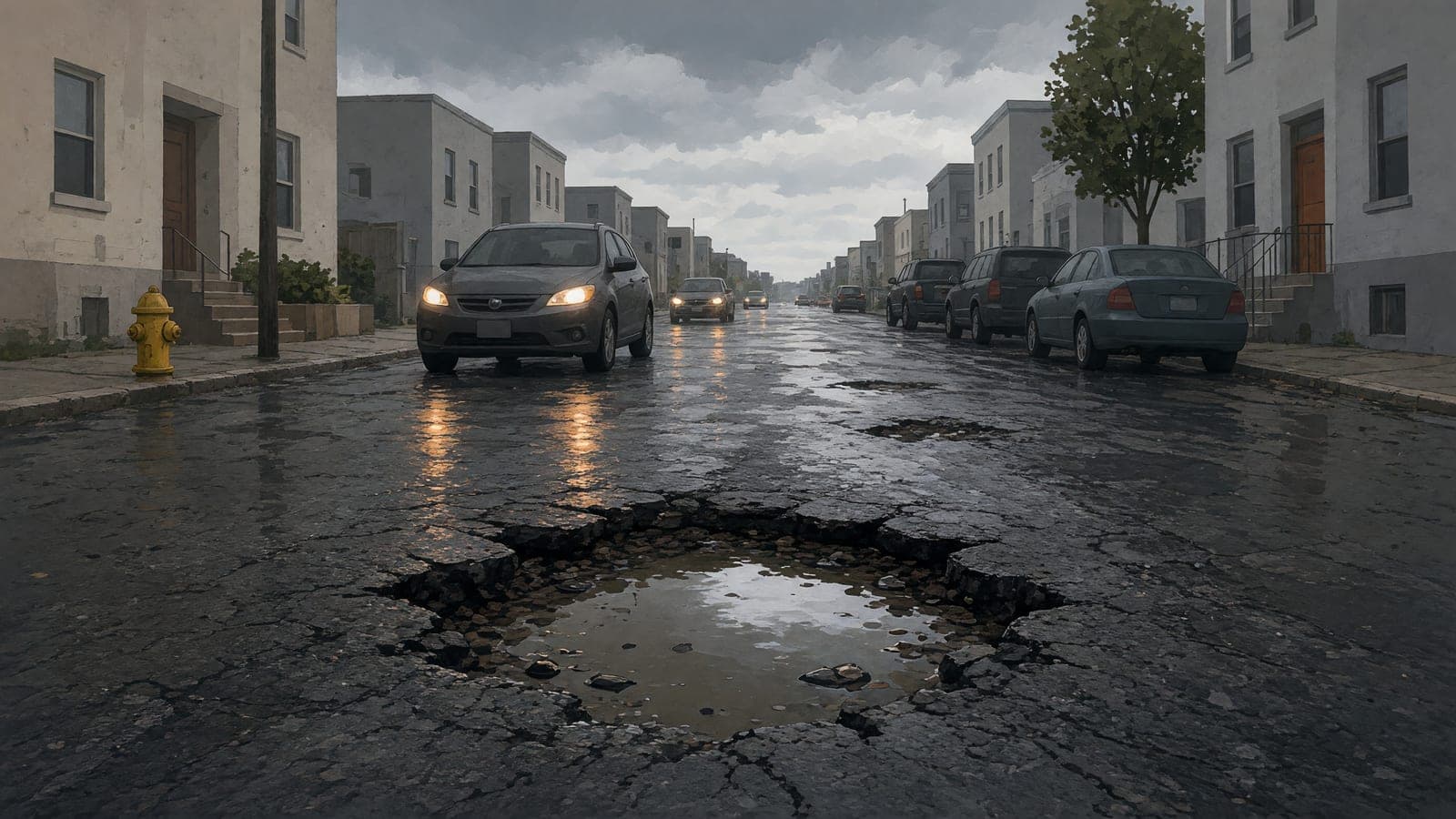
On a busy street, a pothole that stays open for 43 days can be hit thousands of times, and every hit makes it bigger. Tyres, wheels and suspension take the punishment. People on bikes and scooters face a greater risk, especially at night or in the rain, when a water-filled hole can look like a harmless puddle.
A few habits help:
- Report it, precisely. Note the street, the nearest cross street and the lane. Clear reports are easier to schedule.
- Document damage. If you hit a pothole and something breaks, photograph the hole and the damage and keep your repair receipts.
- Leave space. More following distance gives you time to see a defect and slow down without swerving into another lane.
- Treat puddles with suspicion. Standing water can hide a deep hole.
What cities can do about the queue
Backlogs build when new holes arrive faster than crews can close them, and when old repairs fail and land back in the queue. Cutting repeat work is one of the quickest ways to free up crews.
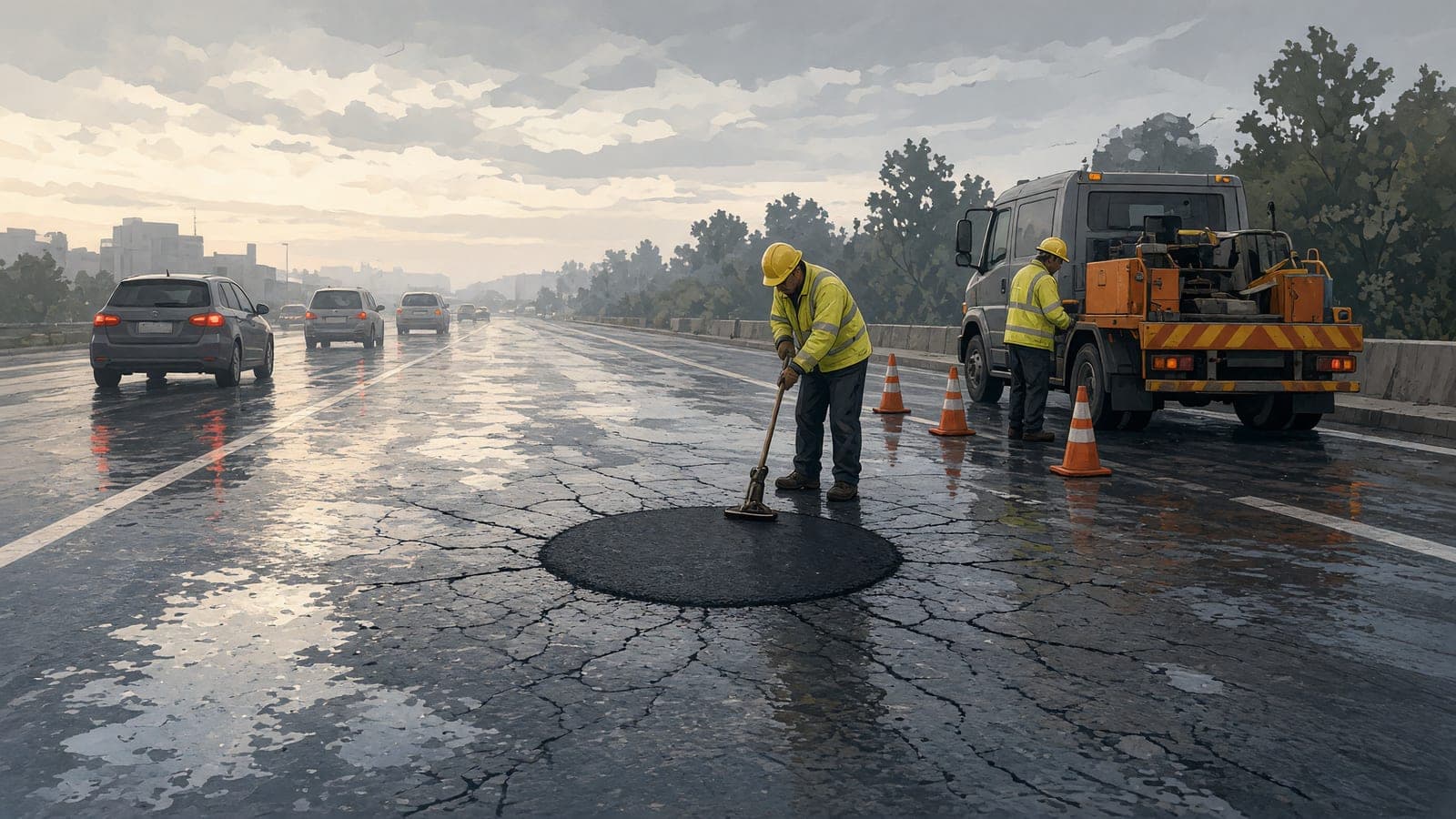
That's where material matters. EZ STREET® Ambient® Asphalt is engineered to bond to asphalt and concrete, work even in wet holes and carry traffic as soon as it's compacted. It needs no mixing or tack coat, so a small crew can close more requests per shift, and it can be stockpiled for months, so trucks stay loaded through the busy season. Thermally resilient and performance-proven, Ambient® is built for repairs that endure, so a closed ticket stays closed.
Transparent.city says the number to watch is whether San Francisco's open backlog keeps growing through the winter. Every repair that holds the first time helps keep that number down. Learn more at ezstreetasphalt.com.
Source notes: Transparent.city (Oct 14, 2026); Transparent.city, citing ClickOnDetroit (Oct 9, 2026).