Ask any driver what bothers them most about potholes and you'll usually get two answers: the jolt, and the wait. Auckland Council is going after the wait.
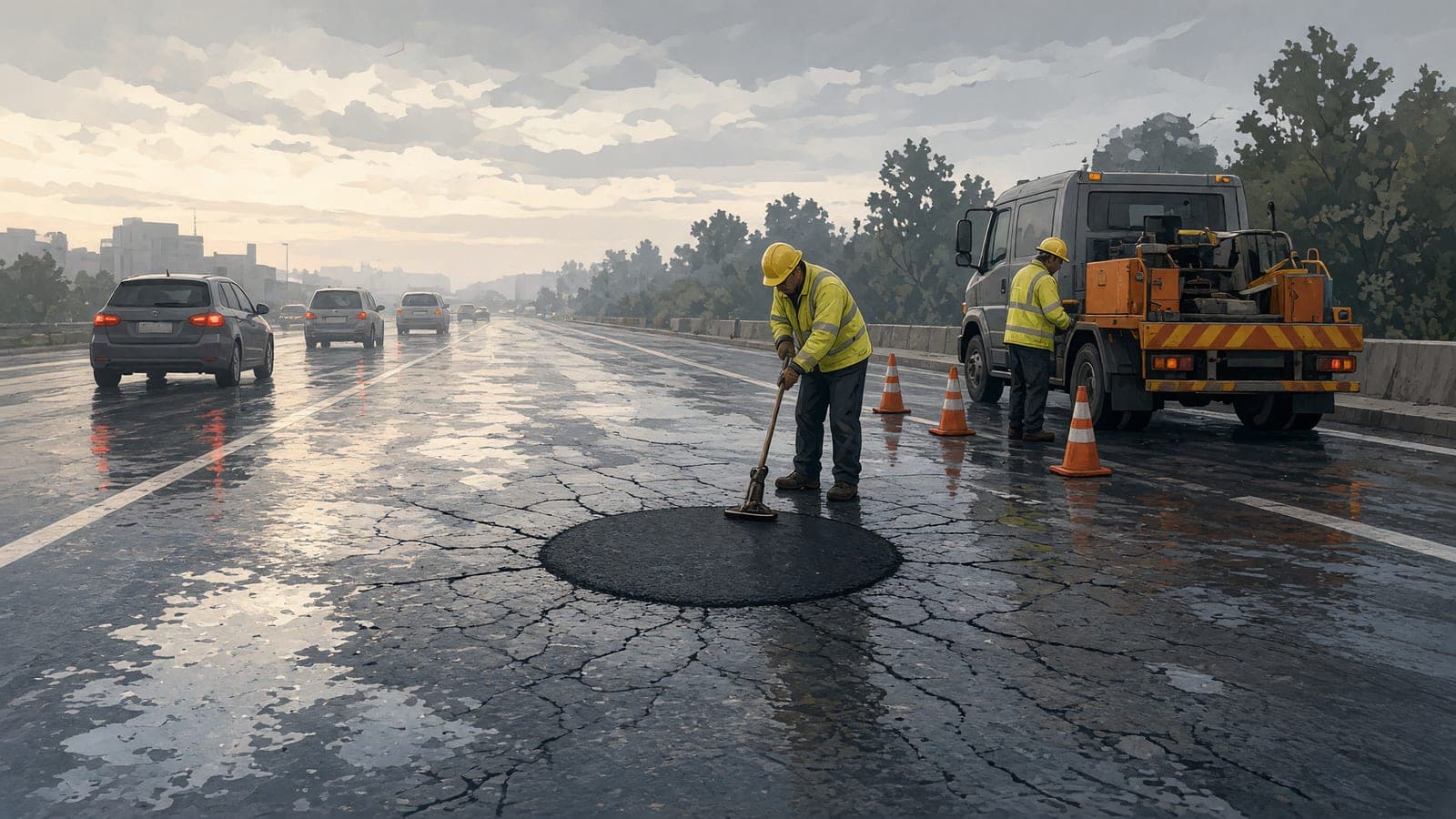
On October 5, the council relaunched its annual Pothole Promise, committing to repair 95% of reported potholes on Auckland's busiest roads within 24 hours of a report. Potholes on other sealed roads are targeted for repair within five working days. The campaign will run across radio, outdoor advertising, digital channels and social media with a simple message for motorists: if you spot a pothole, don't just steer around it. Report it.
A big network, a simple promise
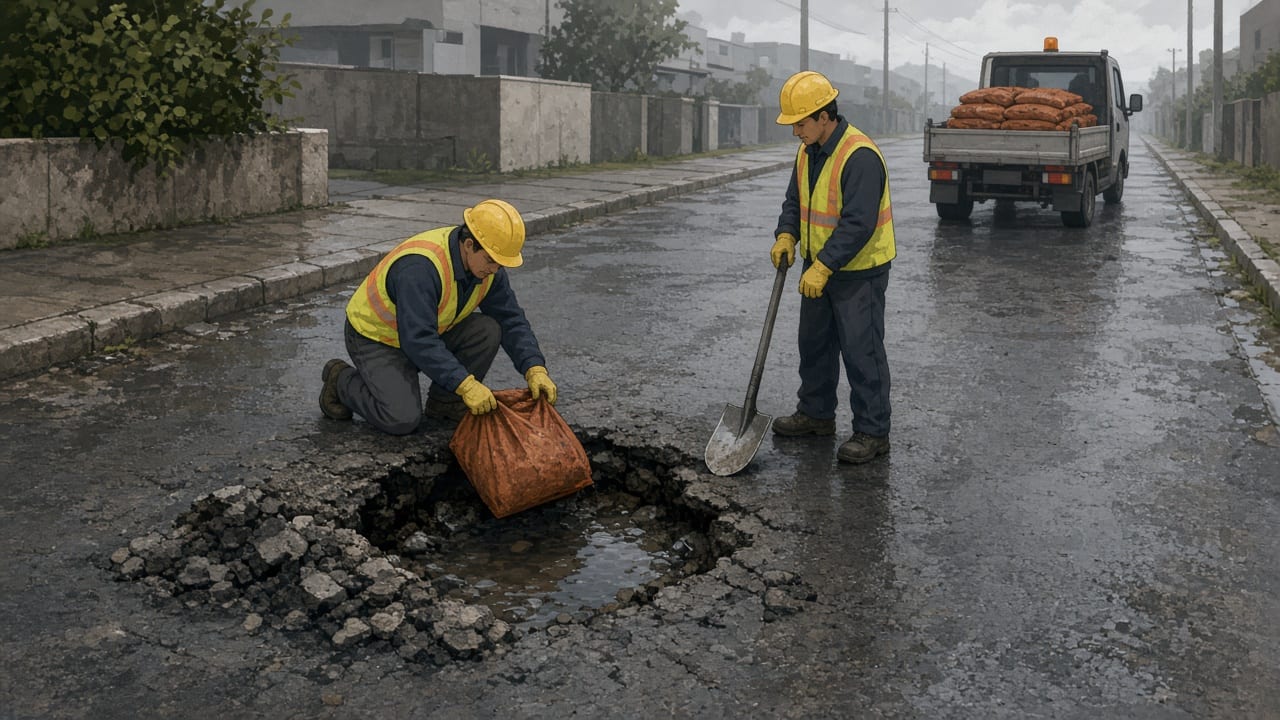
The scale is significant. The council says it manages around 8,000 kilometres of local roads, including more than 1,000 kilometres of high-volume arterial and regional routes that carry over 10,000 vehicle movements each day. During last year's campaign, crews repaired 642 potholes in four weeks.
Alan Wallace, the council's Head of Road Asset Maintenance and Renewals, summed up the driver's perspective: "Nobody enjoys hitting one on their commute, and we know they can cause damage to vehicles and create unnecessary headaches for drivers." Councillor Andy Baker, who chairs the Transport and Infrastructure Delivery Committee, called the promise "exactly the sort of practical, get-it-done approach Aucklanders expect."
Why speed matters to drivers
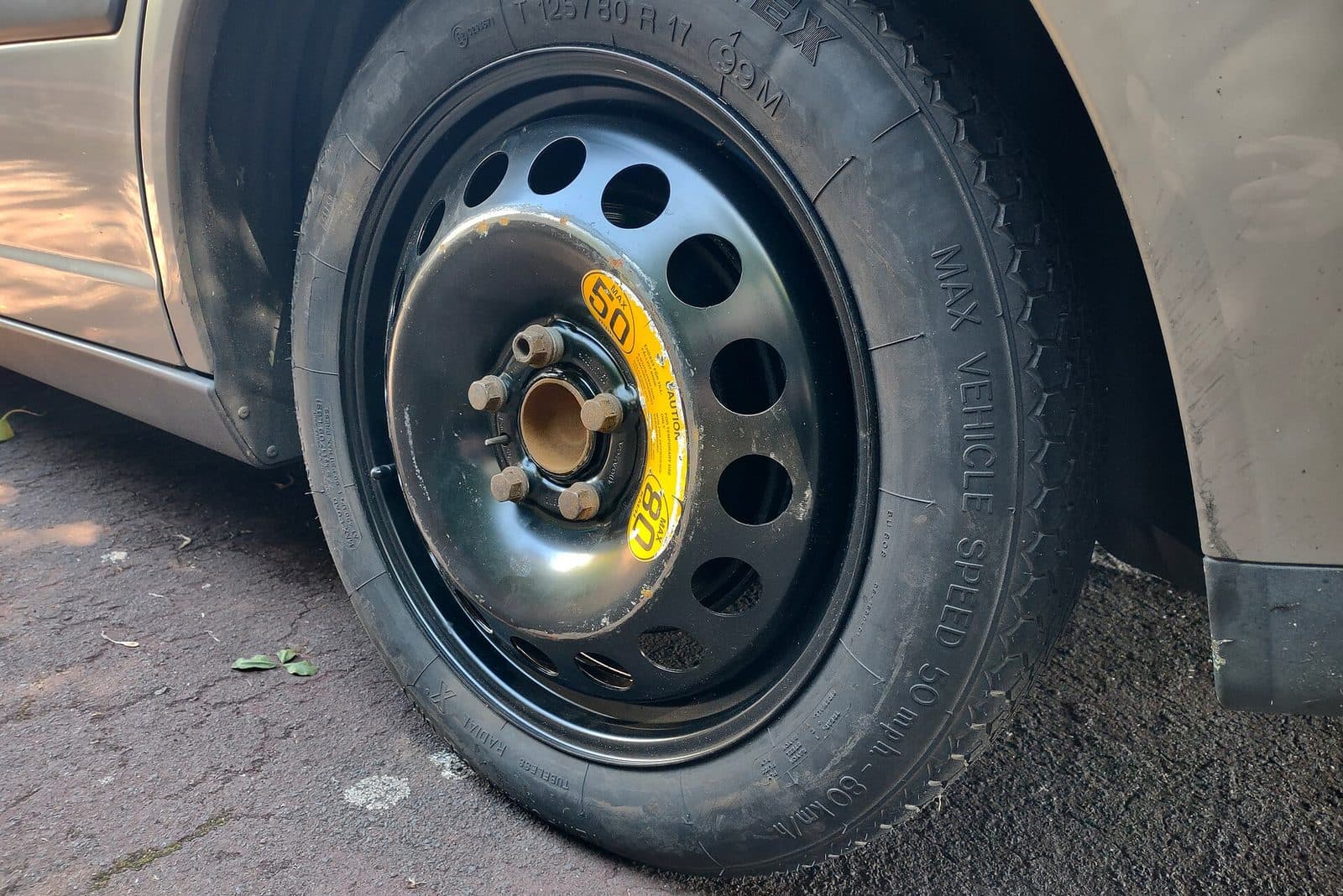
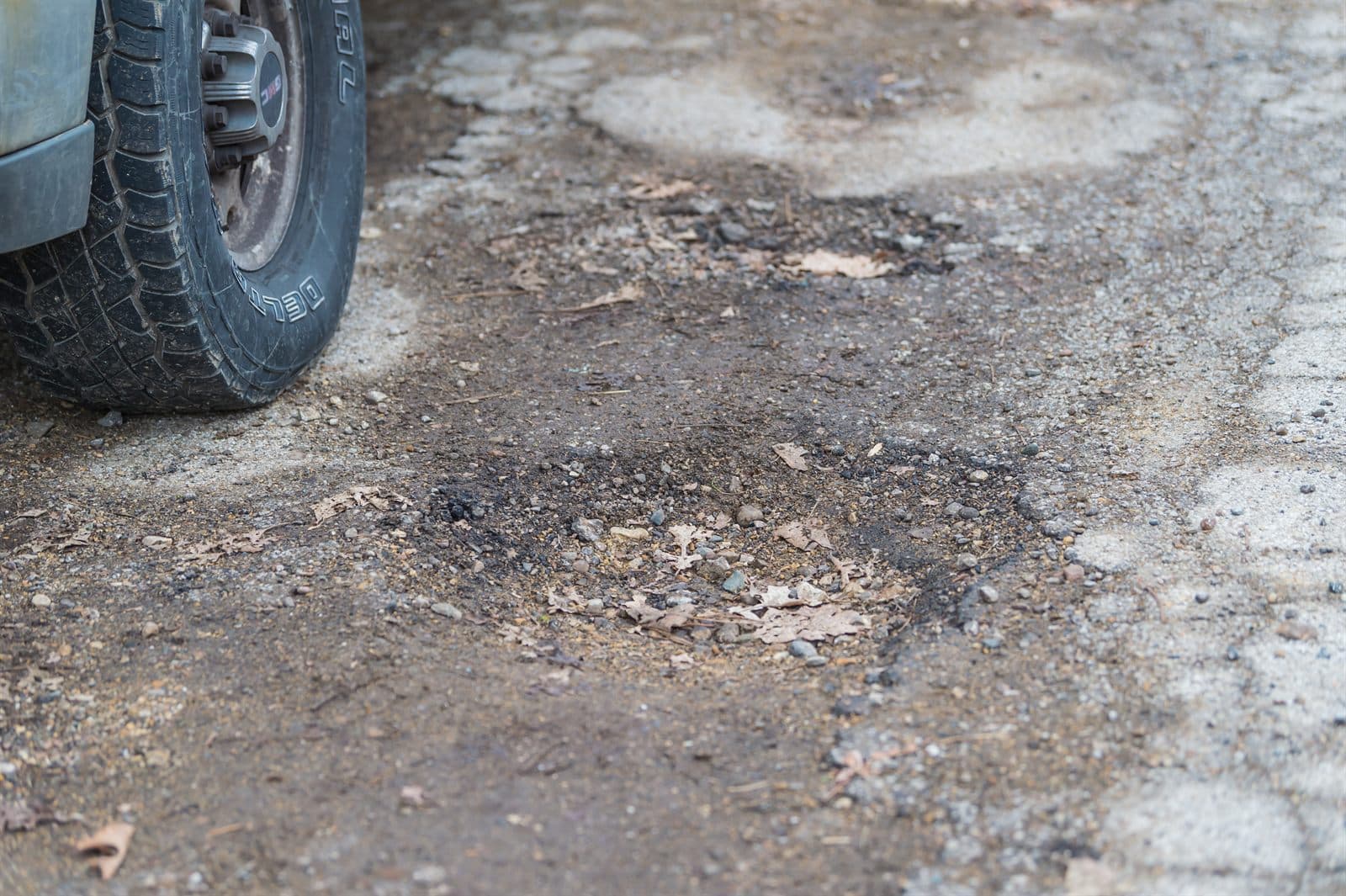
On a busy arterial, a single open pothole can be hit by thousands of vehicles before anyone fixes it. Each impact risks a punctured tyre, a bent rim or knocked-out alignment. Each sudden swerve to avoid it creates a safety risk for cyclists, motorcyclists and other drivers. Cutting response time from weeks to a day sharply reduces the number of vehicles exposed to that hazard.
Speed also protects the road. A small defect left open collects water, loses its edges and grows. The longer it sits, the bigger and more expensive the eventual repair.
The honest part: many fast fixes are temporary
Auckland Transport's own maintenance page is candid about the limits of reactive work. "A pothole repair means making it safe as quickly as possible. It's a temporary repair," it says, adding that "some potholes will keep reoccurring when there's been lots of rain."
That's the trade-off every road agency faces. Fast response and long life aren't always delivered by the same repair. Auckland is tackling the long-term side through renewal: the council says more than 500 kilometres of sealed roads were resurfaced last year, with an even bigger programme planned for 2026/27. Resurfacing is how a network stops producing potholes in the first place.
For drivers, though, what happens between the report and the reseal matters. A quick fill that pops out after the next downpour means another hit, another report and another crew visit to the same spot.
Closing the gap between fast and lasting
This is where repair material choice can help a 24-hour promise go further. EZ STREET® Ambient® Asphalt is designed for the conditions that undo fast fixes. It's formulated to work in water, bonds to existing asphalt and concrete, and is ready for traffic immediately after placement. Crews don't need to heat it, mix it or apply a tack coat, and it can be stockpiled for months, so a rapid-response team can carry it on the truck and use it the moment a report comes in.
In a city that sees plenty of rain, that combination matters. A repair placed quickly in a wet hole that stays put is a repair drivers don't have to report twice.
What drivers can do
Auckland's campaign is a good reminder that motorists are part of the repair system:
- Report it. Crews can only fix what they know about. Aucklanders can report potholes online, and Auckland Transport lists 09 355 3553 for road issues that pose an immediate risk to people or property.
- Be specific. An exact address or landmark helps crews find the defect fast.
- Slow down near crews. Faster repairs mean more crews working on live roads.
The campaign's closing line, that potholes may be inevitable but waiting weeks for them to be fixed shouldn't be, is one any city could adopt. Pair that speed with enduring, thermally stable materials like Ambient®, and the promise gets stronger: fixed fast, and fixed to stay fixed. More at ezstreetasphalt.com.
Source notes: Auckland Council via Scoop (Oct 5, 2026); TRANSPORTtalk (Oct 5, 2026); Auckland Transport (Sept 28, 2026).