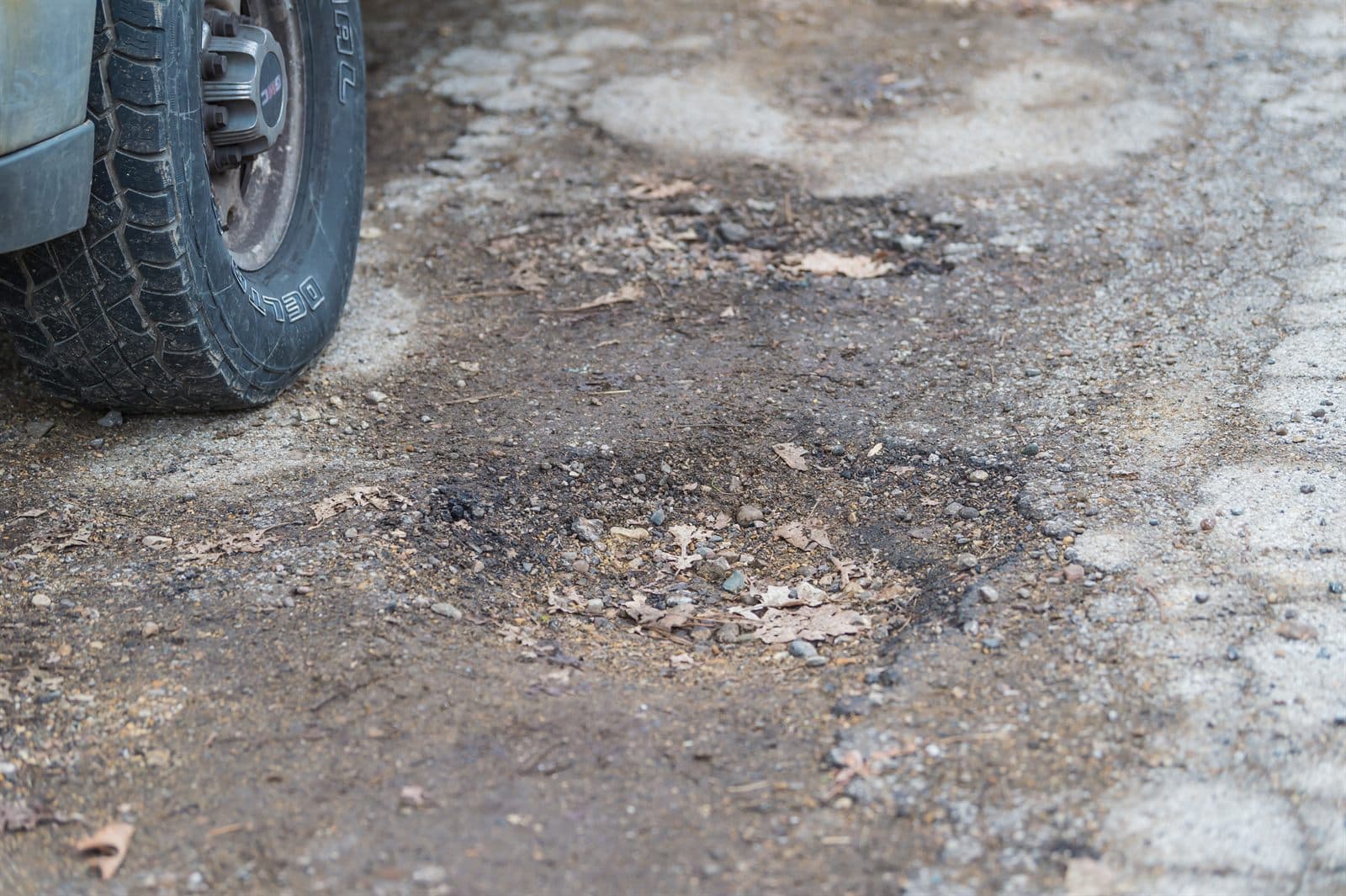
Most drivers don’t think about pavement condition until a wheel drops and the dashboard lights up. By then, the “cheap” pothole has become a four-figure problem.
Fresh insurer data from 2026 makes that progression hard to ignore. Tesco Insurance reported that pothole damage claims filed between January and May 2026 were already 25% higher than claims recorded across the first six months of 2025 — even though the newer window covers one fewer month. January alone saw the insurer settle 12% more pothole claims than it did in the entire second half of 2025.
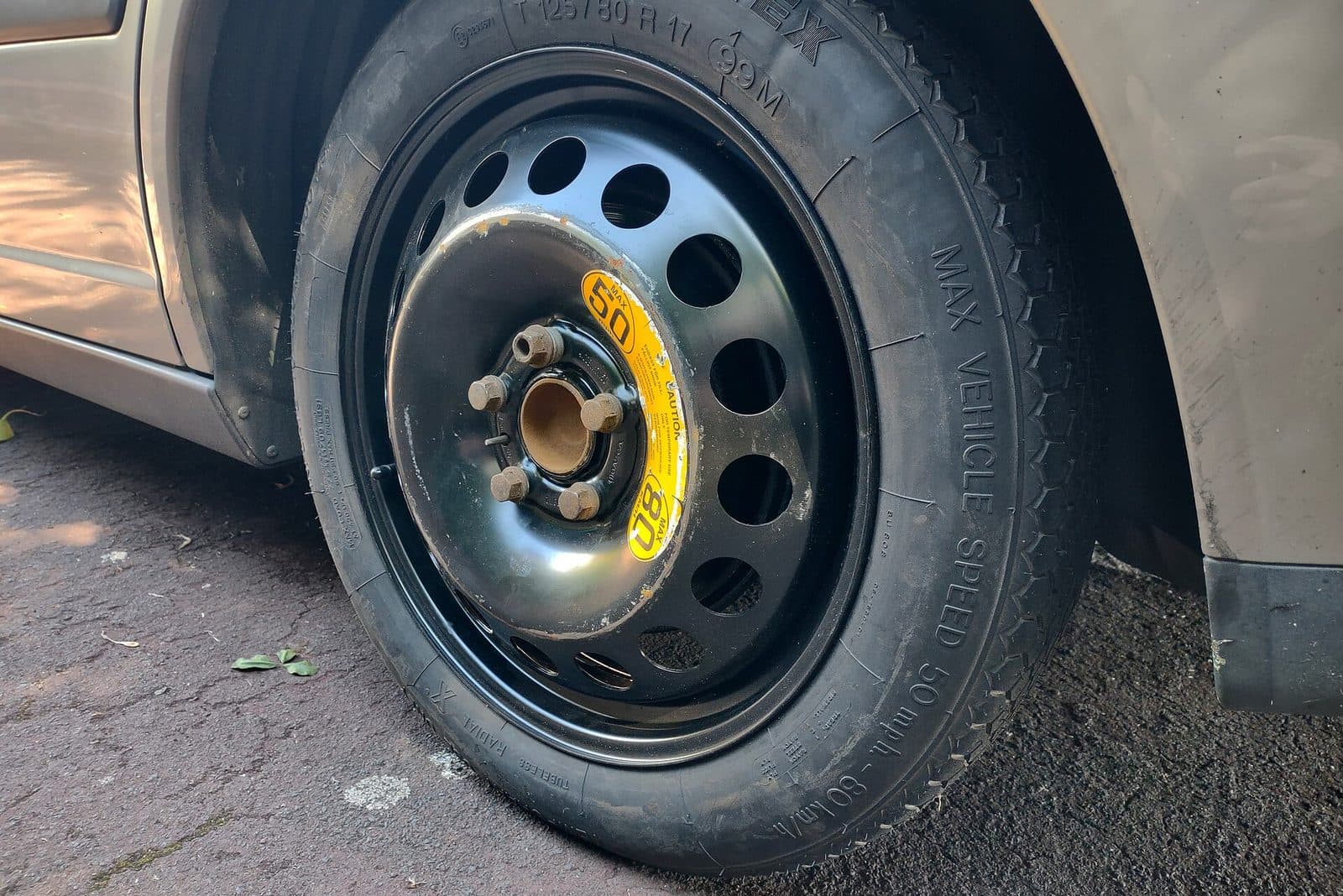
Severity rose even faster than volume. The average successful payout climbed 41% year on year, from £3,814 in the first half of 2025 to £5,380 for January–May 2026. Wheels led the damage list, followed by suspension, engine, underside, bumpers, and body panels. That mix doesn’t sound like a light scrape on a kerb. It sounds like deep surface failure meeting everyday speeds.
Geography tells its own story. Peterborough topped Tesco’s pothole claims table again in 2026 — a lead it has held every year since 2020. Tonbridge and Northampton rounded out the top three. High-frequency pockets also showed up in places such as Plymouth, Chelmsford, Glasgow, Nottingham, and Belfast. Lower-claim areas included Dorchester, Lincoln, and Croydon, among others. Brokers reading the map get a risk lens. Drivers living in a hotspot get a reminder to slow down, leave space, and report defects early.
The infrastructure backdrop is bleak enough to explain the claims trend. The Asphalt Industry Alliance’s ALARM survey, cited alongside the insurer figures, put the carriageway repair backlog for England and Wales at about £18.62 billion. Nearly one in six local roads was said to have less than five years of structural life remaining, with resurfacing on average once every 97 years. When capital cycles stretch that thin, reactive failures multiply — and so do invoices.
For fleet managers, the £5,380 average is more than a headline. Older vans and cars may be underinsured against parts and labour that have climbed since the last renewal. A single underside or suspension event can idle a vehicle, scramble schedules, and erase a week’s margin. For households, the same hit lands as an excess, a higher premium, or an out-of-pocket repair when a claim isn’t worth filing.
Prevention still beats paperwork. National highway funding and local programmes matter, and 2026 has seen more of both. But private sites — logistics yards, retail parks, residential estates, school drives — often fall outside the council’s first priority list even when public roads nearby get attention. Those owners and facilities teams can cut claim risk by treating defects as soon as they appear, not after someone has already bent a rim.
EZ STREET® Ambient® Asphalt is built for that kind of practical response. It’s a ready-to-use, engineered asphalt repair material for potholes and related pavement damage, sold in bags for smaller jobs and by the ton for larger areas. Place it without on-site mixing or heating when the repair is properly prepared and compacted. Product guidance emphasizes bonding to asphalt, concrete, and itself; usability in wet conditions; immediate traffic readiness; stockpiling; and thermally resilient behaviour — so a site can keep material on hand instead of waiting for a hot-plant window that never quite lines up with the next failure.
Ambient® won’t shrink the national backlog by itself. It won’t change how insurers price motor books. What it can do is help a warehouse manager, farm operator, or estate contractor close a hazardous hole the same day it’s found, with a performance-proven fill that aims to endure under repeated axle loads. Every avoided claim is downtime you didn’t schedule and money you didn’t transfer to a body shop.
If you drive for a living — or manage people who do — treat the Tesco figures as a warning light, not trivia. Slow for standing water that might hide a void. Report public defects through the proper channels. And on the pavement you control, don’t wait for a £5,000 reminder. Fix early, fix with engineered material, and keep your wheels where they belong: round, aligned, and on the road.
Source notes: Insurance Business / Insurance Edge (Aug 2026; data Jan–May 2026); ezstreetasphalt.com/what-is-ez-street
Cover photo: Pete from Liverpool, UK, CC0.