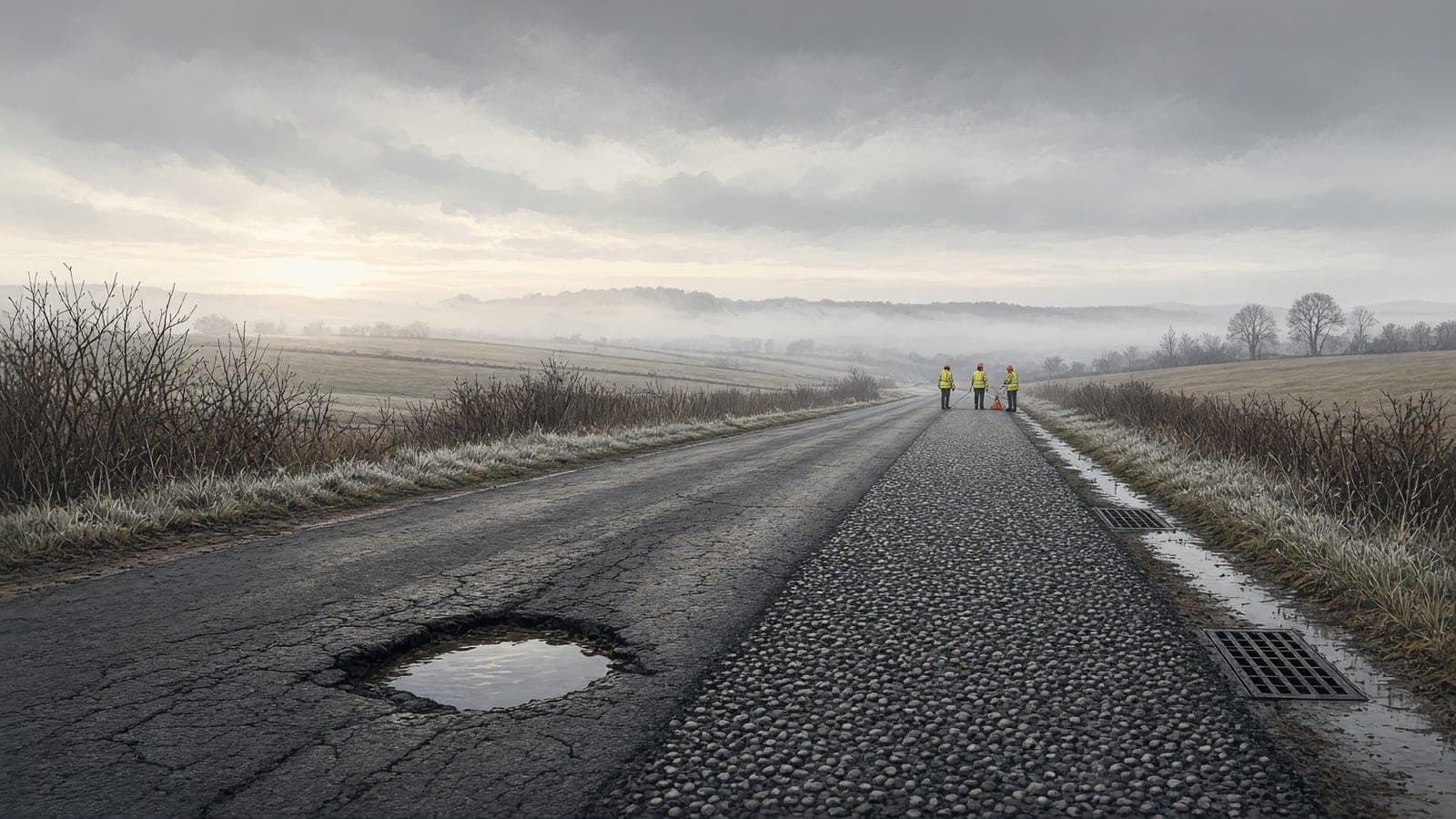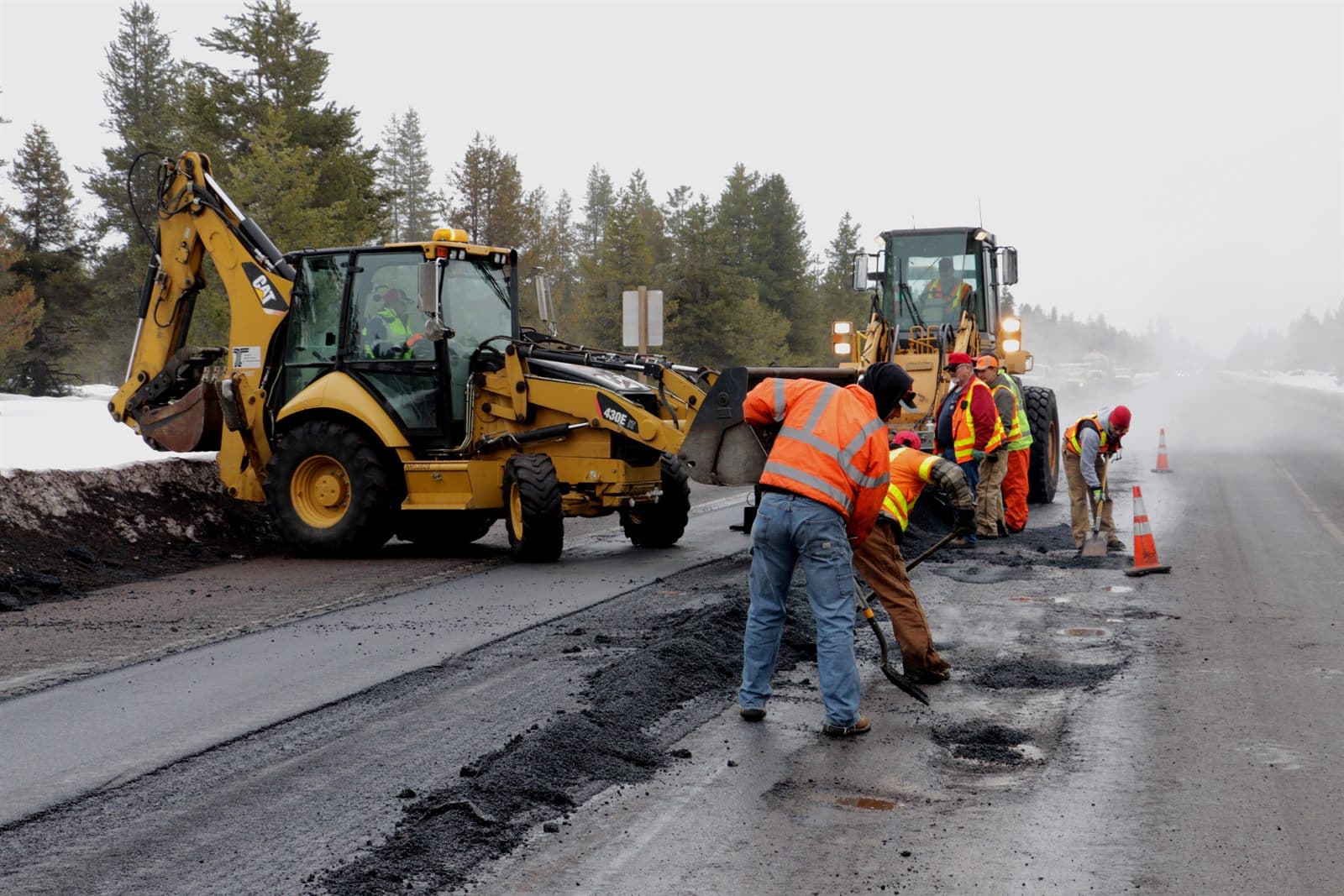
Every road crew knows the problem. You fix a pothole, the rain comes back, and the hole you just filled starts to come apart. In Nelson Mandela Bay, on South Africa's Eastern Cape coast, that cycle is shaping one of the country's busiest municipal repair drives.
The metro's "Fill Up the Bay" campaign has repaired 5,944 potholes since it launched in August 2026, according to SAnews. Executive Mayor Babalwa Lobishe launched the drive in the Perseverance Industrial Area, and it has since expanded to areas including Veeplaas and Ward 30, where roads were badly damaged by flooding and long maintenance backlogs. The municipality has set aside R61 million for road maintenance, with R30 million ring-fenced for faster pothole repairs.
When the weather won't cooperate
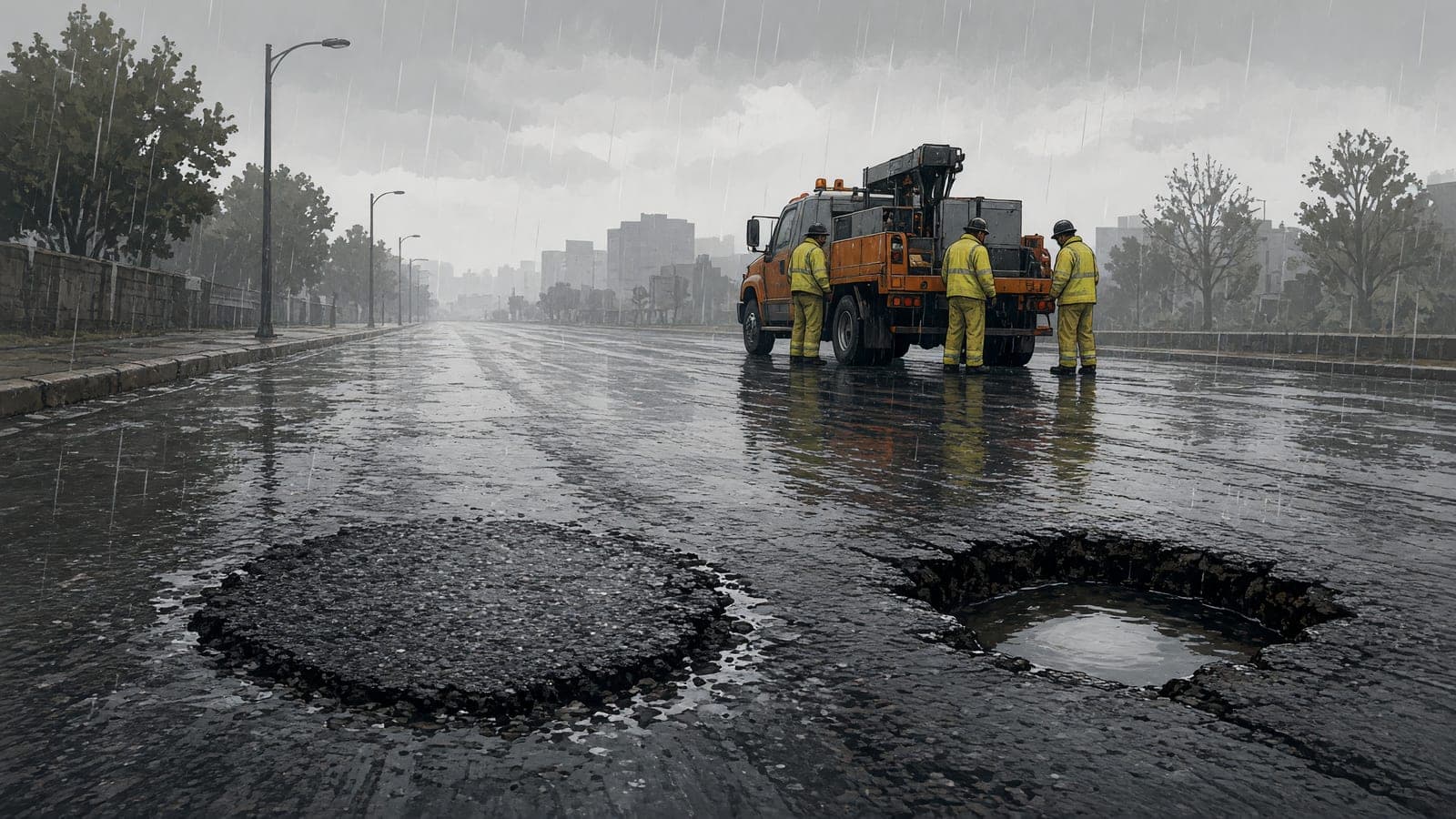
The mayor was candid about what's slowing things down. Persistent rain has affected both the pace and the quality of the work. Contractors have sometimes had to stop in some areas and wait for surfaces to dry, and heavy downpours have damaged some newly laid asphalt.
That's an honest admission, and it's one every wet-climate agency will recognise. Water is the main enemy of a pothole repair. It gets under the edges, weakens the bond with the old pavement and washes out fines before the patch has had a chance to settle. A repair that needs a dry hole and a dry week is a repair that waits, and a hole that waits keeps growing.
Fix the water, then fix the road
The most interesting part of the campaign isn't the pothole count. It's the drains.
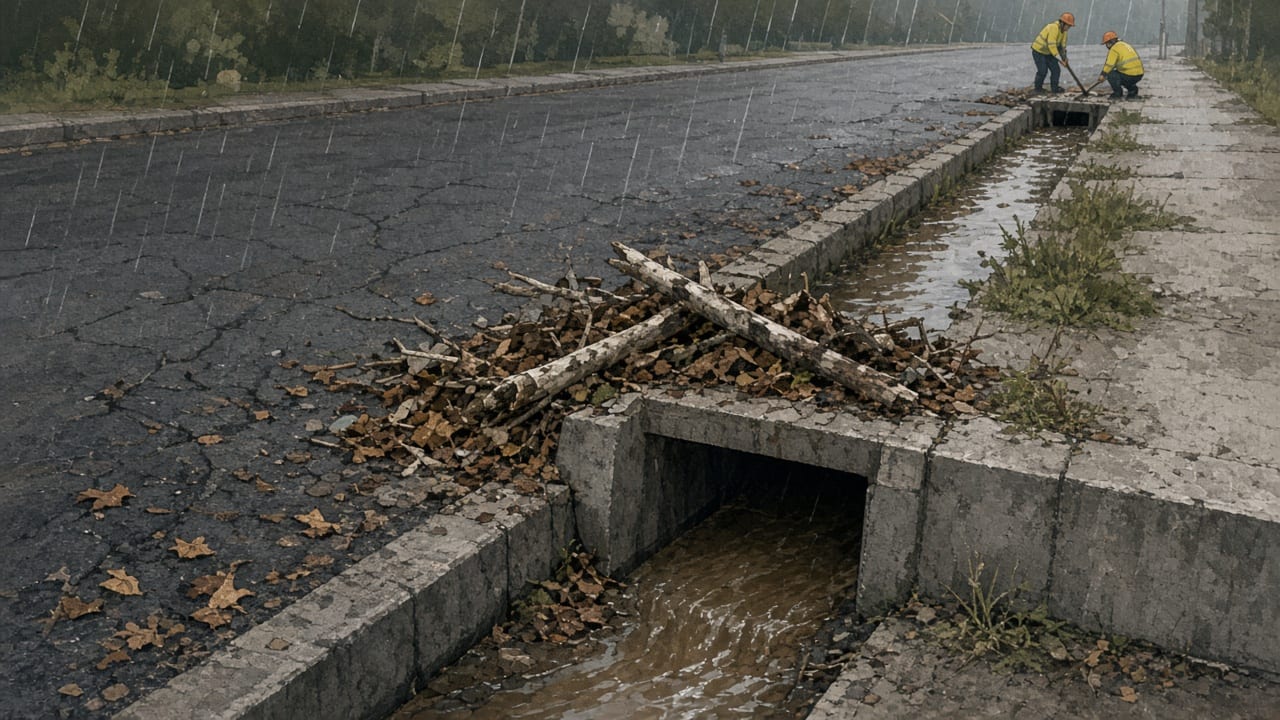
Over the past three months, 400 participants in South Africa's Expanded Public Works Programme have worked alongside municipal teams to clear 4,700 stormwater drains, remove debris from 3.4 kilometres of stormwater canals and complete a kilometre of jet-vac cleaning. Contractors must also hire at least three local residents in every ward where they work.
Lobishe put it plainly: "Fixing potholes without concurrently addressing stormwater drainage and canals would be an exercise in futility. A major root cause of our road damage is stormwater running across the tarmac instead of being channelled through functional drains and canals."
She's right. Drainage is the single best long-term pothole prevention tool most cities have. Clear drains mean less standing water, less water working into cracks and fewer new holes after every storm.
Where material choice comes in
Drainage handles the cause. Crews still have to deal with the potholes that are already there, often in the rain and often on roads that can't be closed for long. That's where the repair material makes a real difference.
EZ STREET® Ambient® Asphalt is engineered for exactly those conditions. It works even in holes that are wet or holding water, bonds to asphalt and concrete, and is ready for traffic as soon as it's placed and compacted. There's no mixing and no tack coat, and it can be stockpiled for months, so crews can keep material on hand and get to a defect between showers instead of waiting for a dry spell.
Lessons for any wet-season program
Nelson Mandela Bay's approach offers a useful model for cities, campuses and property managers heading into their own rainy or freeze-thaw season:
- Clear drains before the storms. Every blocked gully is a pothole waiting to happen.
- Target flood-damaged roads early. Water-weakened pavement fails fastest.
- Plan for wet repairs. If your material can't handle a damp hole, your schedule depends on the forecast.
- Count what lasts. The number that matters is how many repairs are still intact after the next big downpour.
Weather will always set the terms for road crews. Pairing good drainage with thermally resilient, performance-proven repair materials like Ambient® helps make sure the next storm doesn't undo the last month's work. Learn more at ezstreetasphalt.com.
Source notes: SAnews (Oct 12, 2026).