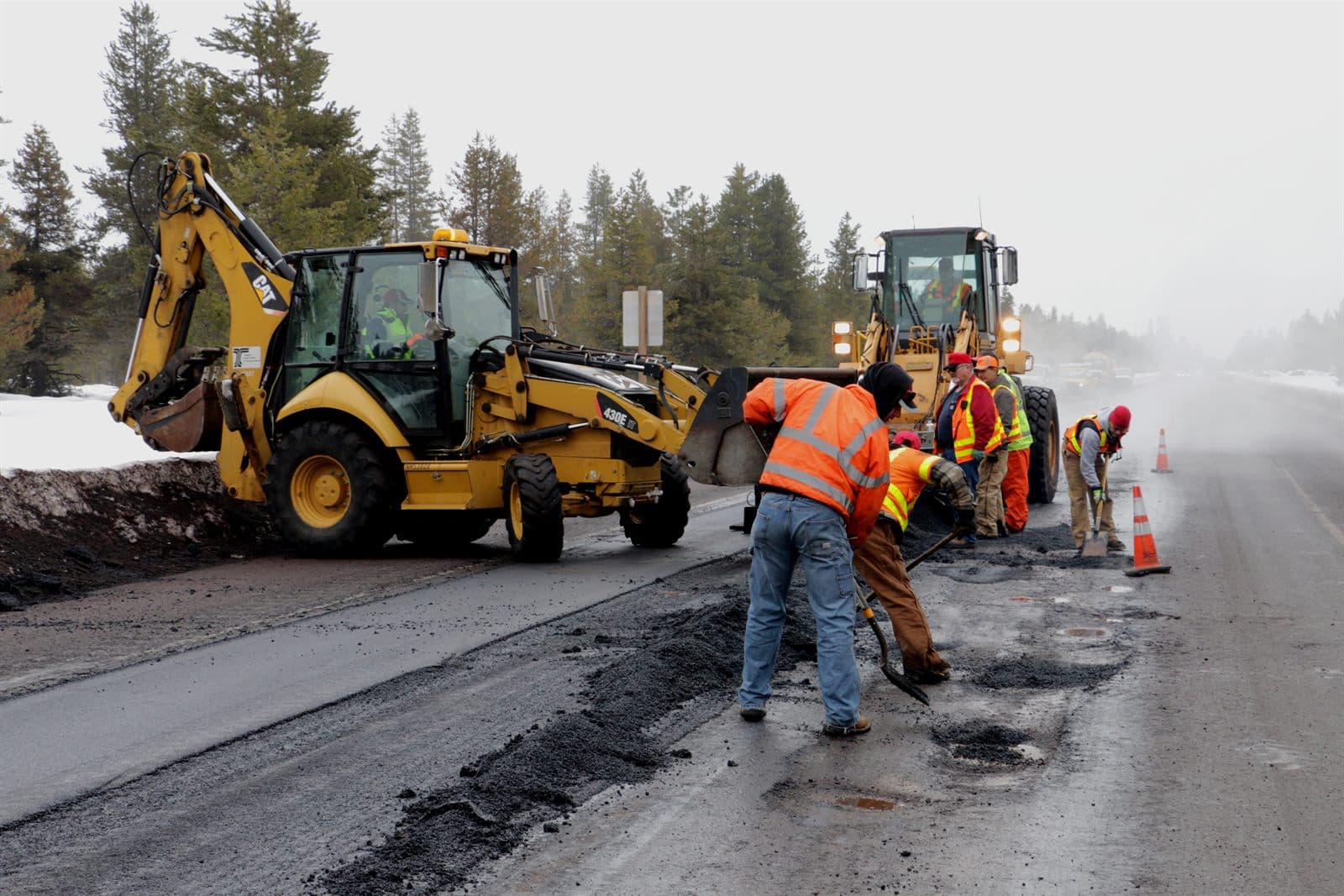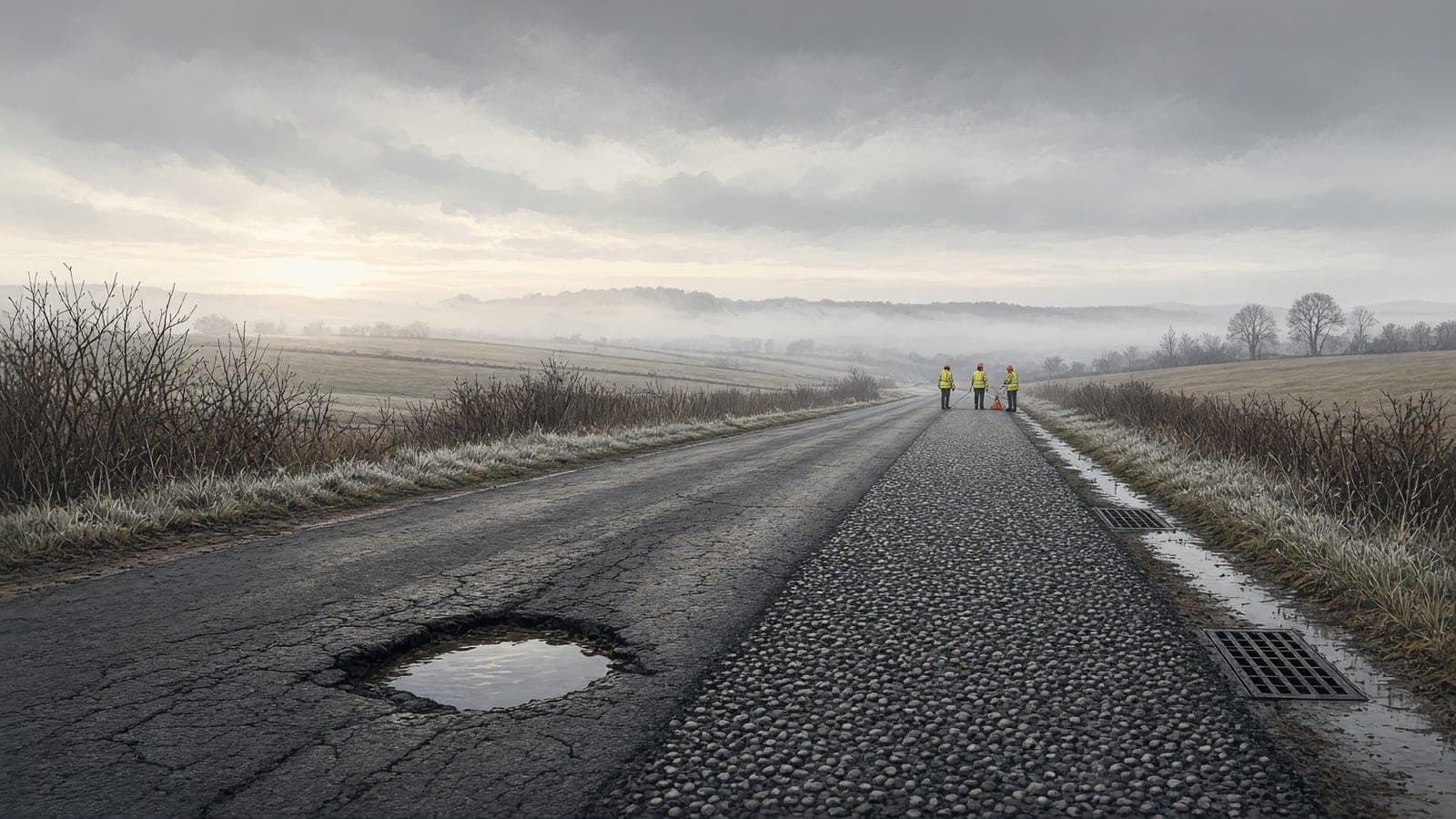
The first frosts haven't settled in across northern England yet, but road teams are already playing defence.
On October 6, Lancashire County Council set out how it is preparing its network for winter after what it called "a challenging period in early 2026." Backed by a further £10 million approved by cabinet last month, total investment in Lancashire's roads for 2026/27 now stands at £88.9 million. Across the Pennines in South Yorkshire, Barnsley Council is weighing an extra £10 million of its own, with a stated aim of reducing repeated temporary pothole fixes.
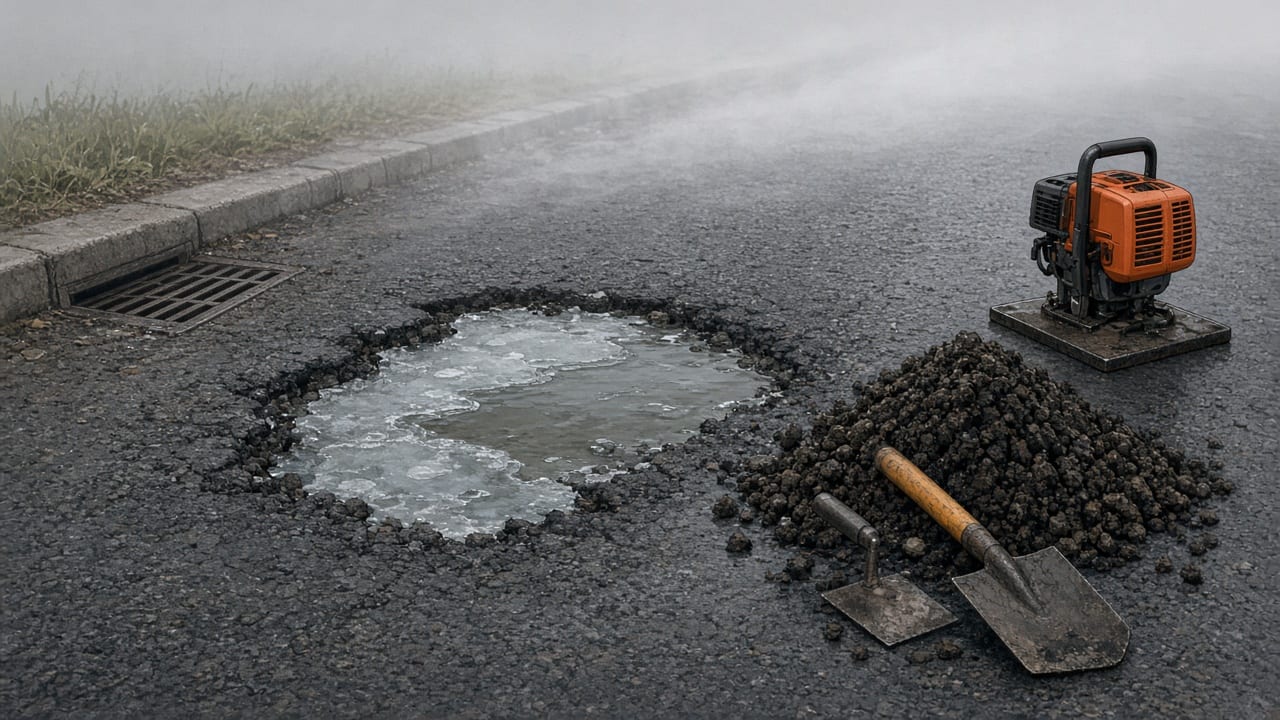
Two councils, one message: the most affordable pothole repair is the one you only have to do once.
Lessons from a rough start to the year
Lancashire says it used lessons from early 2026 to put "a greater emphasis on preventative maintenance and longer-lasting repairs designed to improve the resilience of the road network." The numbers are substantial. Over the last 12 months, highways teams completed more than 100,000 pothole repairs. Since April, they have resurfaced more than 361,000 square metres and applied over 1.16 million square metres of surface dressing. Crews have also cleaned 74,153 gullies to help the network cope with heavy rain.
The council's performance figures deserve a closer look. It reports that 94.56% of its A, B and C roads are in good or fair condition and that 80.90% of defect repairs were completed on time. Most interesting for anyone who manages pavement, 83.71% of defect repairs were completed as a first-time fix. All three measures beat the council's targets.
County Councillor Warren Goldsworthy, cabinet member for Highways and Transport, struck a realistic tone: "We know our roads are not perfect and there is always more work to do, but the work completed so far means we're entering the season in the best position possible."
Barnsley's focus on repeat repairs
Barnsley's proposal, reported on October 5, would add £10 million over four years to the council's existing £18.3 million highways capital programme. According to the council, the money would expand frontline repair teams and support a wider range of repair methods and materials that are less likely to need repeat repairs. The proposal is due to go to cabinet on November 4 and has not yet been approved.
The council has been open about the dilemma behind it. In February, after heavy rain, freezing temperatures and repeated freeze-thaw cycles drove a sharp rise in defects, Barnsley explained that it carries out temporary repairs when a pothole could put people at risk but the weather or conditions aren't right for a longer-lasting fix. Every highway authority with a northern winter knows that trade-off.
Why winter punishes weak repairs
Freeze-thaw is the enemy of a marginal patch. Water seeps into gaps around the edge of a repair, freezes, expands and pushes the material loose. Each cycle widens the gap. By late winter, a fill that looked fine in November can be gone, and the hole is often bigger than before.
That's why first-time fix rates matter so much heading into the darker months. Every repair that holds through a freeze-thaw season is a crew visit that doesn't have to happen in February, when demand is highest and working conditions are at their worst.
Building a better winter toolkit
Preventative work such as surface dressing, resurfacing and drainage is the long-term defence, and both councils are investing in it. But new defects will still appear this winter, and some will need attention in rain or near-freezing conditions.
For those repairs, material choice can tilt the odds. EZ STREET® Ambient® Asphalt is engineered to stay thermally resilient through temperature swings, and it's formulated to work in water, so a repair can go into a wet hole rather than waiting for a dry day. It bonds to existing asphalt and concrete, needs no heating, mixing or tack coat, and is ready for traffic once compacted. Because it can be stockpiled for months without degrading, depots can keep it ready for the first freeze-thaw spike instead of scrambling for supply.
The measure that matters
Lancashire and Barnsley are approaching winter from different starting points, but they're aiming at the same target: fewer repairs that have to be done twice. For any council or property manager preparing for the season, that's the right goal. Clear the drains, protect surfaces that are still sound, and fill new defects with performance-proven materials such as Ambient® that are built to endure. Find out more at ezstreetasphalt.com.
Source notes: Lancashire County Council (Oct 6, 2026); Blackpool Gazette (Oct 6, 2026); Barnsley Essentials (Oct 5, 2026); Highways News (Oct 5, 2026); Barnsley Council (Aug 21, 2026); Barnsley Council (Feb 26, 2026).