Montréal knows what a hard winter does to its streets. Last season, the city's new administration inherited what Mayor Soraya Martinez Ferrada calls "a maintenance deficit," with nearly 20,000 potholes waiting to be filled, according to Radio-Canada. When the snow melted, plenty of residents let the city know what they thought of the roads.
This year, Montréal is trying to get ahead of it. On October 15, the mayor announced a $15.8 million plan to modernize winter road maintenance, and potholes are a big part of it.
Doubling the patching fleet
The headline numbers are about snow. Most of the money, $13.3 million, will buy 43 new machines: 19 loaders, 13 snowblowers and 11 spreader trucks. Another $2.5 million goes to the boroughs, which share street maintenance with the city, for 16 more pieces of spreading equipment.
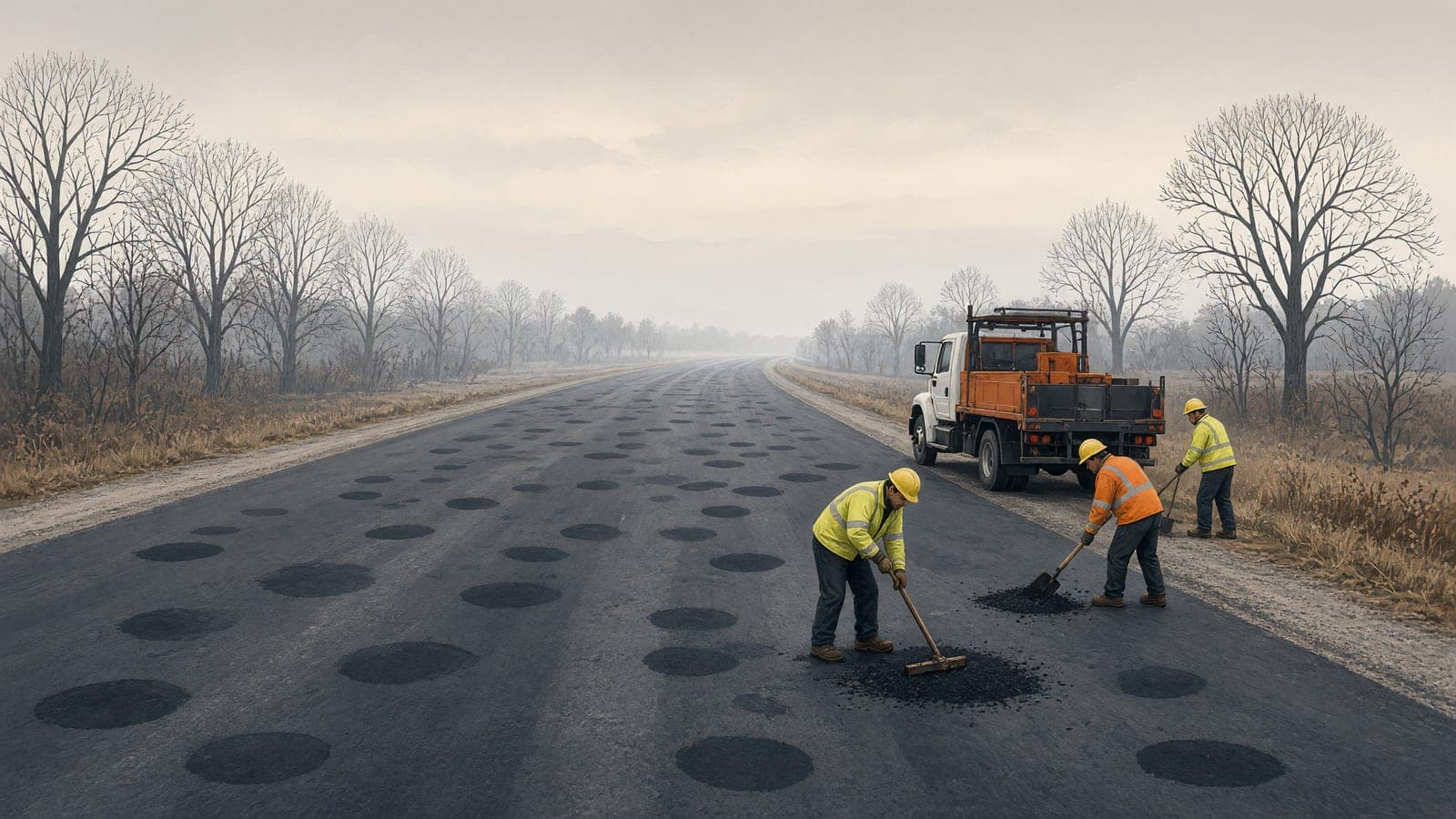
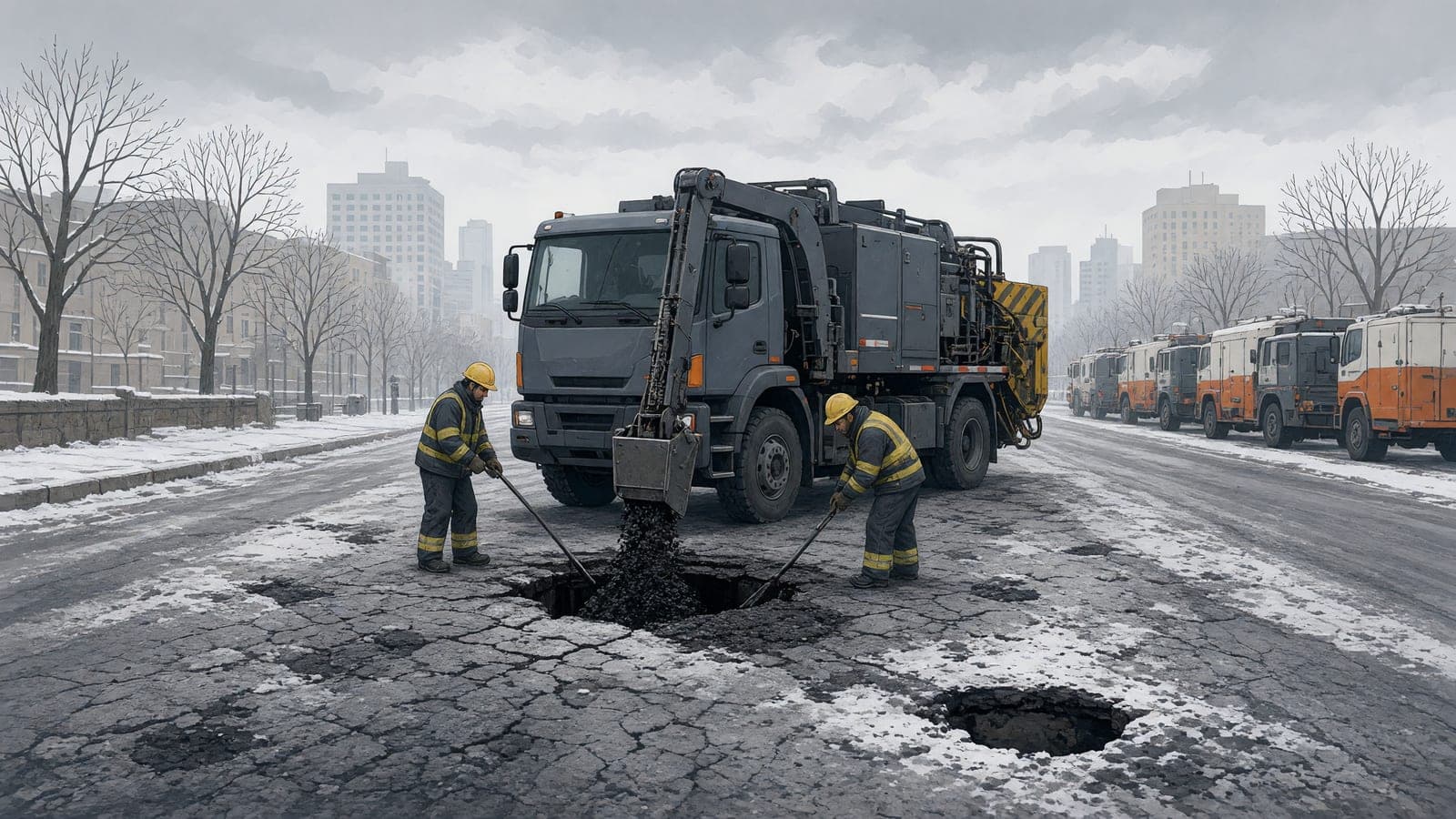
The pothole side is just as significant. Montréal has launched a tender for eight more mechanized pothole patching machines, which the city says will "double" its repair resources. Starting January 1, 2027, 24 hand-picked blue-collar workers will form eight new specialized pothole teams, organized into two hubs of expertise. According to Radio-Canada, that will let a total of 18 teams patch potholes at the same time across the network.
Since the administration took office, Martinez Ferrada said, crews have filled nearly 200,000 potholes.
"We feel we're ready for this winter," she told reporters, according to CBC News. "We're going to try a few things, maybe a few things won't work, but we're committed to the service of citizens."
Better information, better timing
The plan also leans on data. The city is setting up a weather monitoring cell to anticipate storms and deploy crews and equipment accordingly. It will test City Care, software already used in Longueuil and Laval that geolocates equipment and crews, and roll out a public platform called Go-Géo for tracking sidewalk salting and clearing in real time. Officials say AI will help track machinery, repairs and crew coordination.
Not everyone is convinced yet. Verdun borough mayor Céline-Audrey Beauregard told CBC she wasn't clear who would be making the calls on snow operations, or how much room boroughs would have to manoeuvre.
Why winter is pothole season
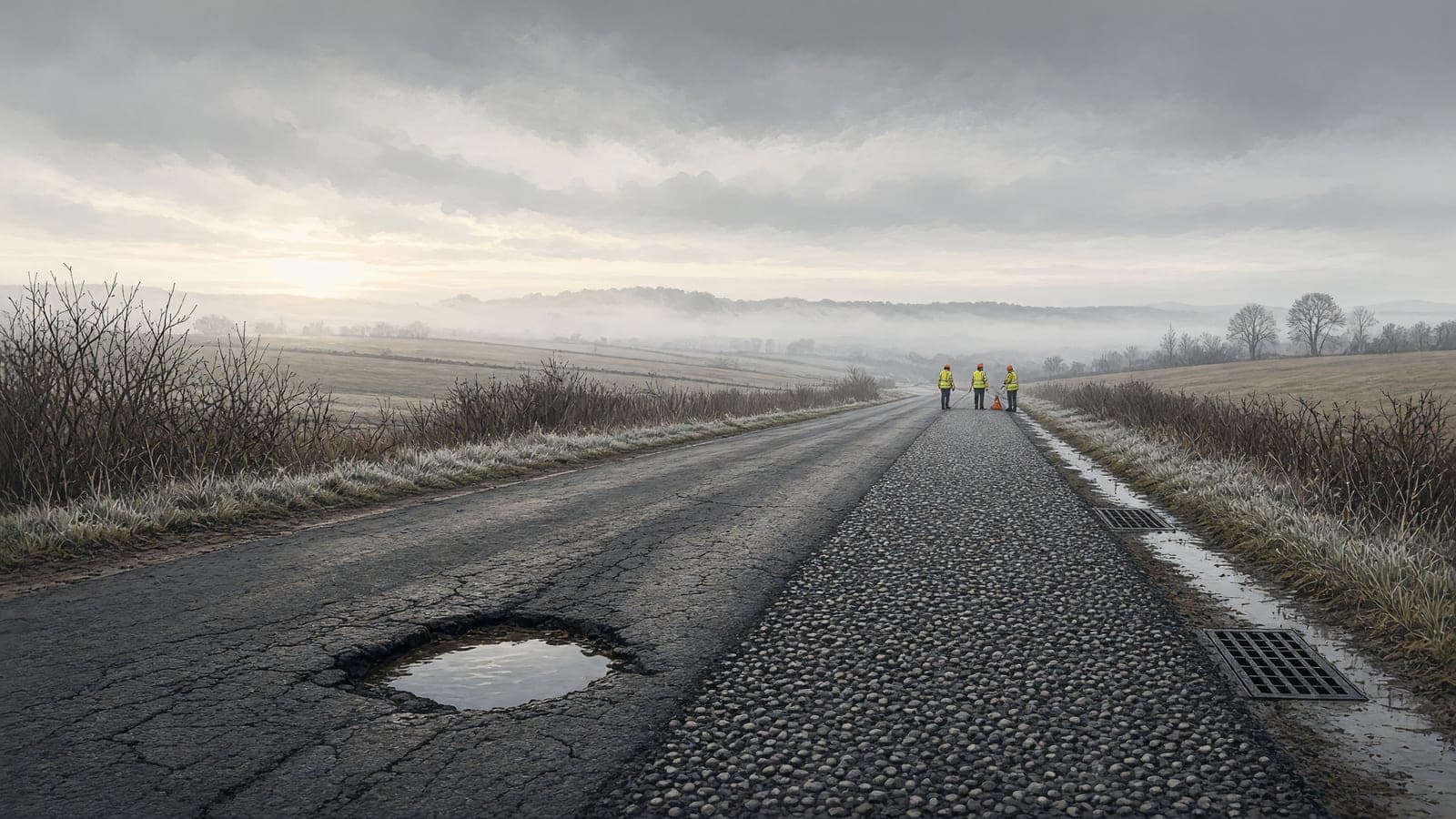
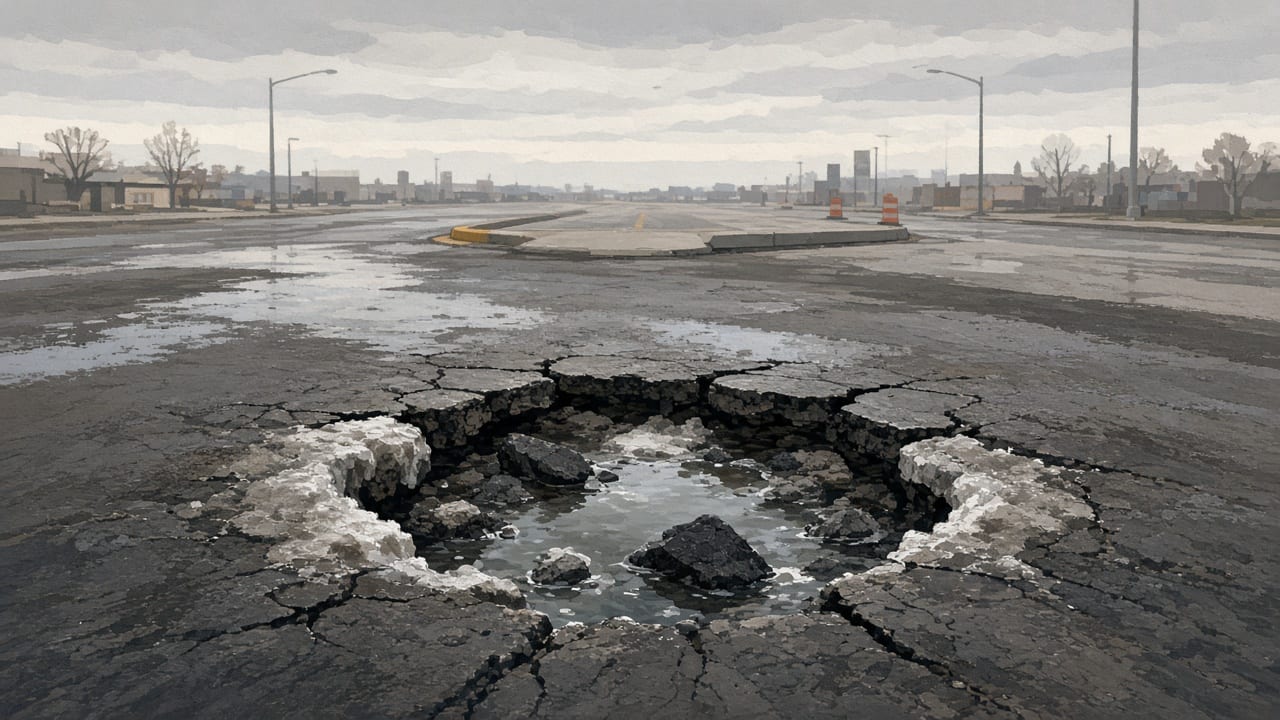
Montréal's focus makes sense. Winter is when potholes multiply. Water seeps into cracks, freezes and expands, then thaws and leaves a void under the surface. Traffic does the rest. In a climate that swings above and below freezing again and again, every weak spot gets tested.
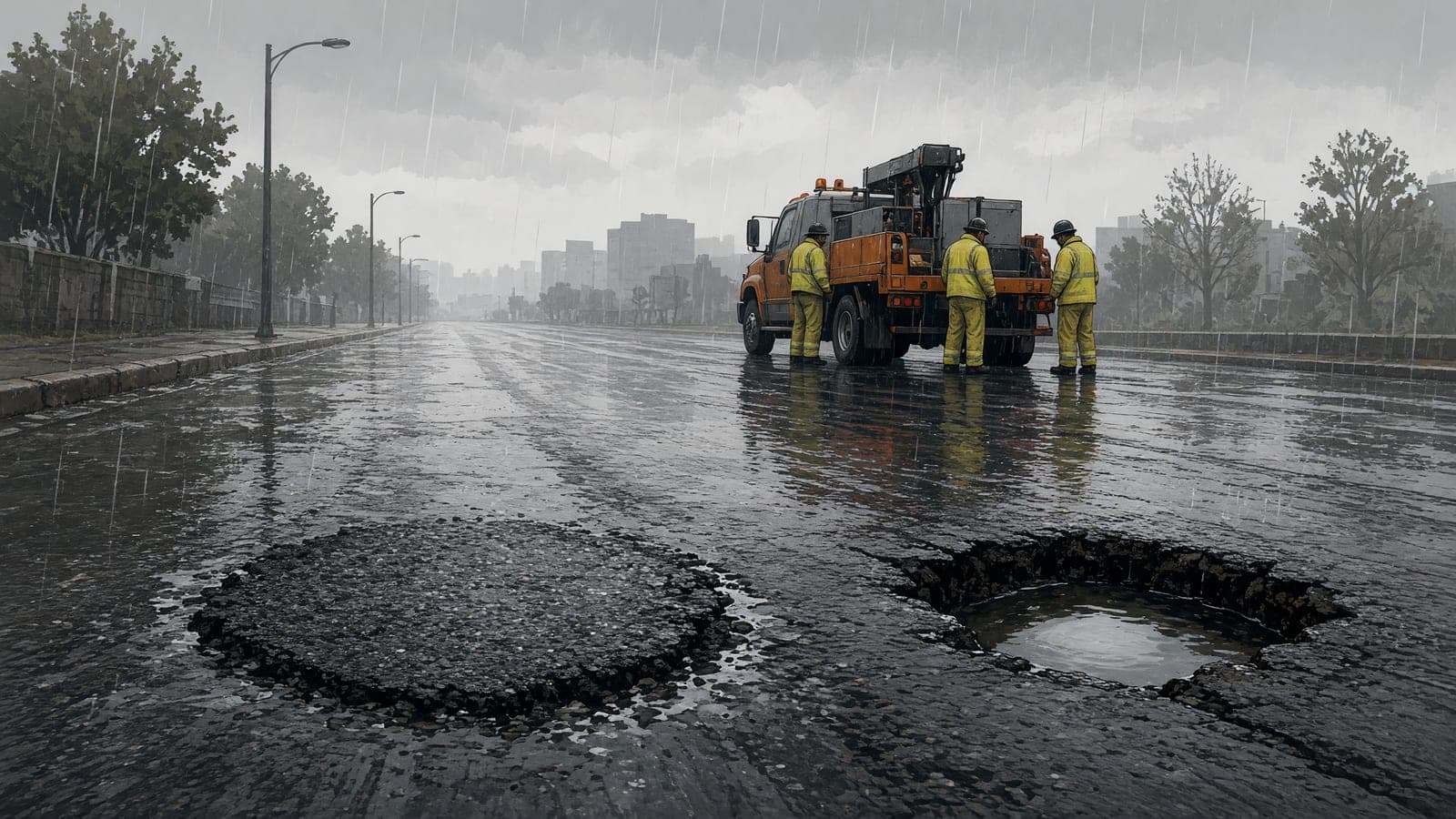
Winter is also when repairs are hardest. Holes are wet, often full of meltwater or slush. And crews are juggling patching with snow operations, so every repair that has to be redone takes a team away from the next one.
Getting the material right
More machines and more trained crews give Montréal more chances to reach potholes quickly. The material that goes into each hole decides how many of those repairs are still there in March.
EZ STREET® Ambient® Asphalt is engineered for that kind of season. It works even in wet holes and holes holding water, bonds to asphalt and concrete, and is ready for traffic as soon as it's placed and compacted. There's no mixing and no tack coat, and because it can be stockpiled for months, yards can lay in supply before the first snow and keep it on the trucks through the thaw. It's thermally resilient, built to hold its integrity through the temperature swings that work repairs loose.
What other winter cities can borrow
- Build patching capacity before you need it. Montréal's new teams start January 1, ahead of the worst of the freeze-thaw.
- Train specialists. Dedicated pothole crews develop the know-how that makes repairs last.
- Use weather data to time the work. Patching in the right window matters as much as patching fast.
- Track what holds. The best measure of a winter program is how few holes need a second visit.
Montréal has set itself a clear test for the coming season. With more crews, better coordination and enduring repair materials like Ambient®, this winter's potholes don't have to become next spring's headlines. Learn more at ezstreetasphalt.com.
Source notes: CBC News (Oct 15, 2026); Radio-Canada (Oct 15, 2026); TVA Nouvelles / Agence QMI (Oct 15, 2026).