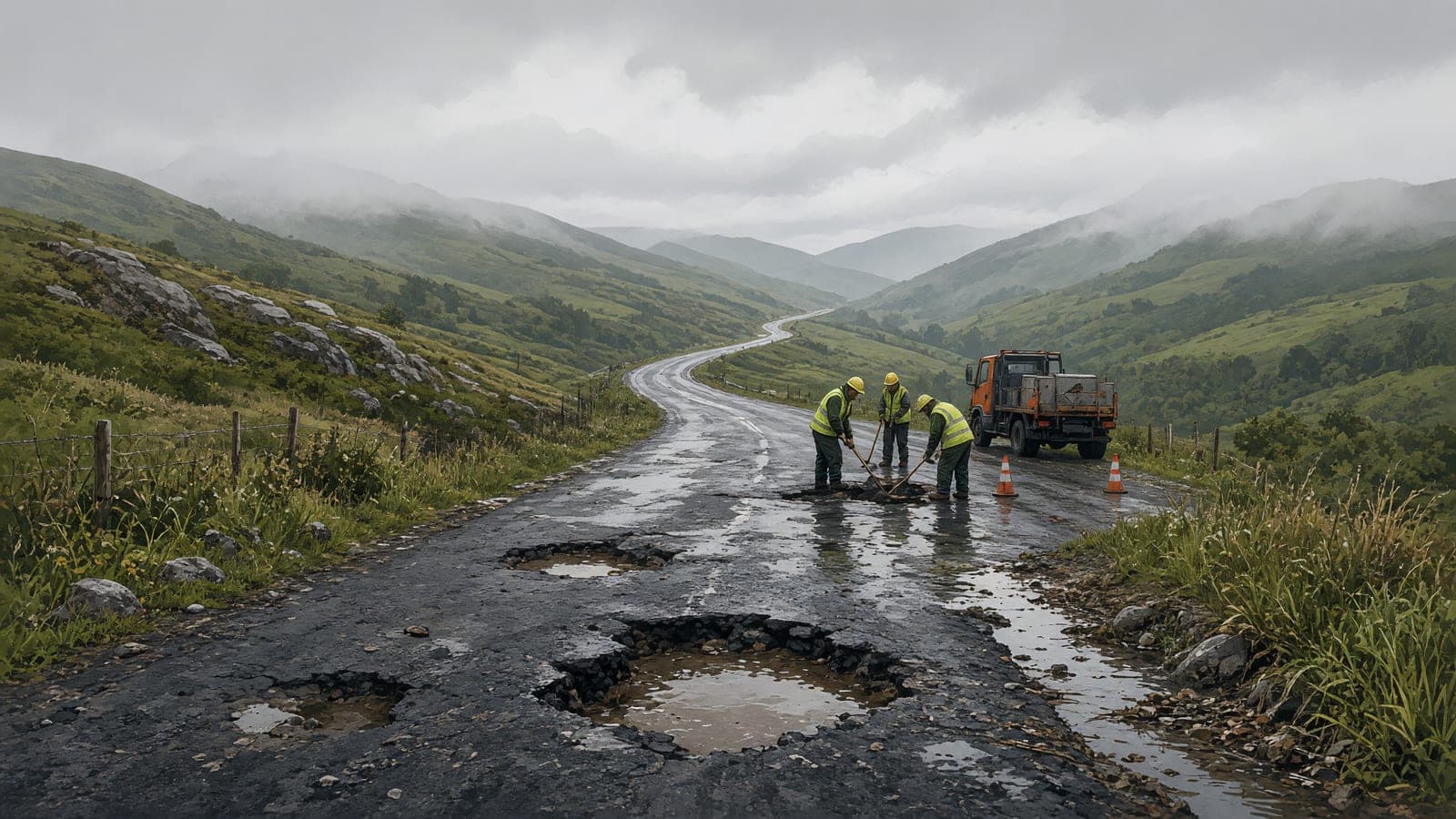
South Africa's KwaZulu-Natal province is changing how it fights potholes. In a statement on October 5, Siboniso Duma, the provincial MEC for Transport and Human Settlements, said the department had "declared potholes public enemy number one" and would rely on its own workers rather than tenders.
Duma said some contractors had provided "shoddy service" and disappeared without finishing the work. Instead, the province has employed workers focused on pothole repair, including more than 320 from the Empangeni and Ladysmith regions assigned to the R34, which connects Vryheid, Nquthu, Newcastle and Mpumalanga Province. The P54, a 38.8 km road linking Blood River and Nquthu, is also being rehabilitated.
What the engineers found
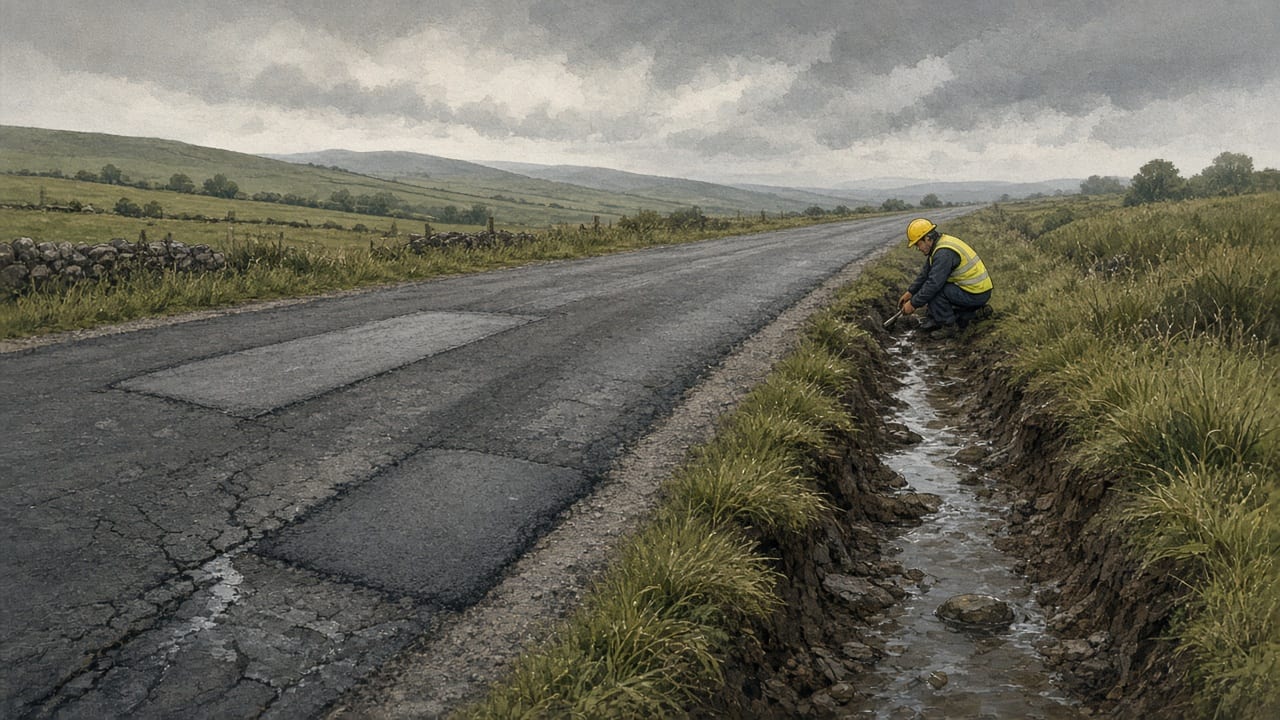
The most useful part of the statement is the engineering. According to the department's assessment report, the roads were badly damaged by prolonged rainfall and heavy traffic. "Unsealed cracks allow water to infiltrate the pavement structure," the report said, speeding up the deterioration of the pavement layers and leading to potholes, ravelling and other surface failures. Limited budgets had delayed crack sealing, and the damage grew.
That's the pothole lifecycle in a sentence. A crack lets water in. Water weakens the layers underneath. Traffic pounds the weakened surface until it breaks apart. In a place with heavy rain, the process speeds up.
Make it safe, then keep water out
KZN's short-term plan follows that science. Crews are prioritising make-safe blacktop patching, cleaning drainage, clearing overgrown verges and sealing open cracks, all while the larger rehabilitation work is planned. Good drainage and sealed cracks keep water out. Prompt patching keeps vehicles from widening the holes.
Why patch quality matters on rural routes
On long provincial routes like the R34 and P54, every return trip to the same pothole costs time and fuel, and keeps workers away from the next problem. Patches have to hold through heavy trucks and the next round of rain.
EZ STREET® Ambient® Asphalt is engineered for those conditions. It can be placed in wet holes and holes holding water, bonds to asphalt and concrete, and is ready for traffic as soon as it's compacted. It needs no mixing plant and no tack coat, and it can be stockpiled for months, so in-house crews on remote routes can carry it with them and fix holes as they find them. It's thermally resilient, keeping its integrity through heat and weather.
The lesson for every road agency
- Seal cracks early. It's the cheapest way to stop potholes before they start.
- Keep drains clear. Standing water is a pothole's best friend.
- Patch with materials that last. A sealed surface only helps if the repair holds.
KwaZulu-Natal's approach puts the science first. Paired with enduring repairs like Ambient®, it's a strong way to keep people, goods and learners moving. Learn more at ezstreetasphalt.com.
Source notes: KwaZulu-Natal Department of Transport (October 5, 2026).