Most pothole stories start with a hole. This one starts with a road that's still in good shape.
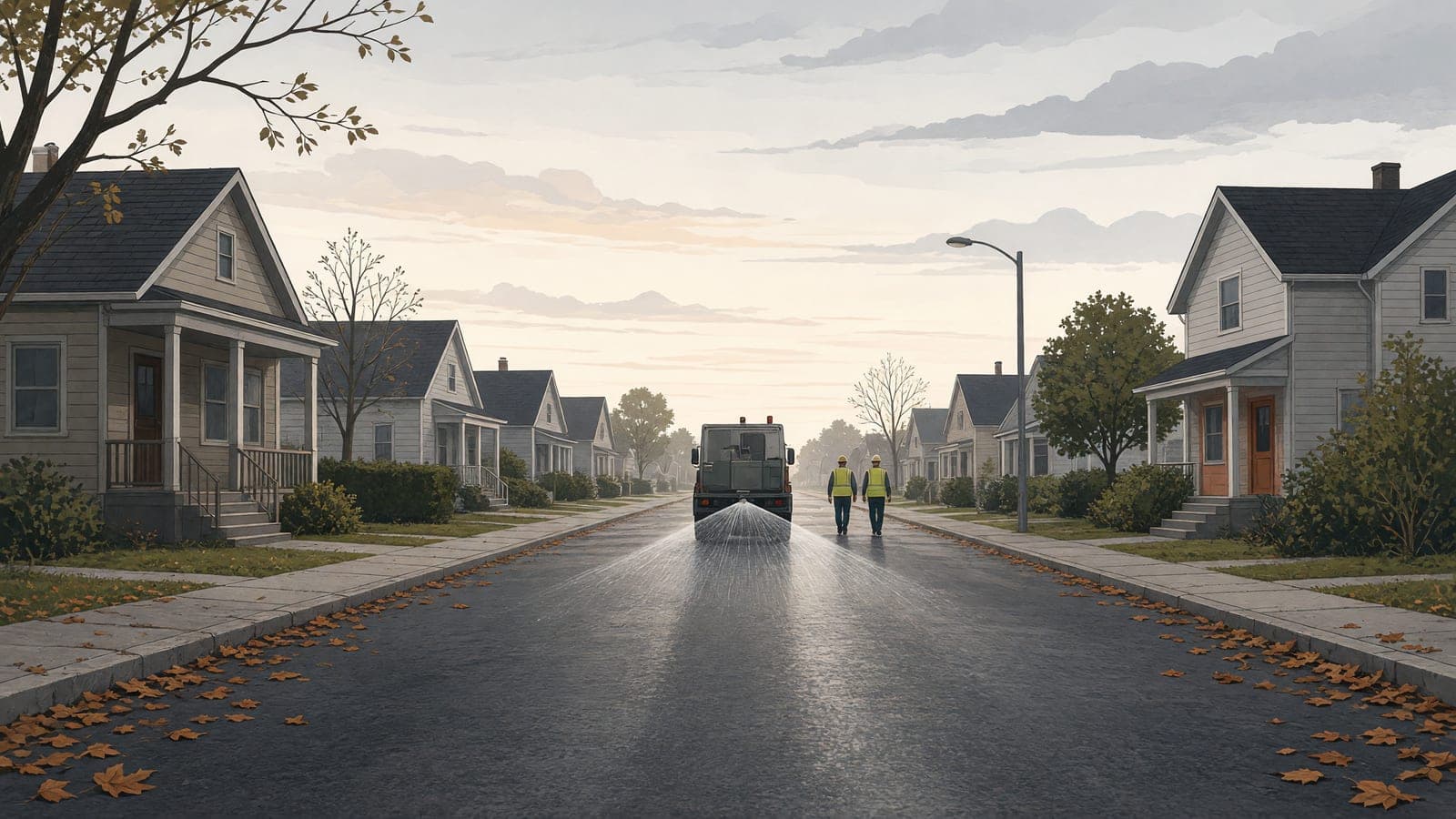
This week, the City of Hilliard, Ohio, is spraying a pavement rejuvenation treatment on about 28 neighborhood streets, the Hilliard Herald reported. Work began Friday, October 9, and continues October 12, 13 and 14, weather permitting. The project is part of the city's Street Maintenance & Rehabilitation Program, which has a budget of roughly $4 million for 2026 and covers resurfacing, rejuvenation and other road work across Hilliard's 146 miles of roadway.
How a pothole really begins
To see why a city would treat roads that look fine, it helps to understand how potholes form.
Asphalt pavement is a mix of stone and a binder that holds it together. Over time, sun, oxygen and traffic age that binder. It gets stiffer and more brittle, and tiny cracks start to form. Those cracks let water in.
Once water is under the surface, two things happen. Traffic pumps it through the pavement, washing out fine material and weakening the base. In colder months, the water freezes, expands and pushes the cracks wider. When it thaws, there's a void left behind. A few thousand tires later, the weakened surface breaks apart. That's a pothole.
What rejuvenation does
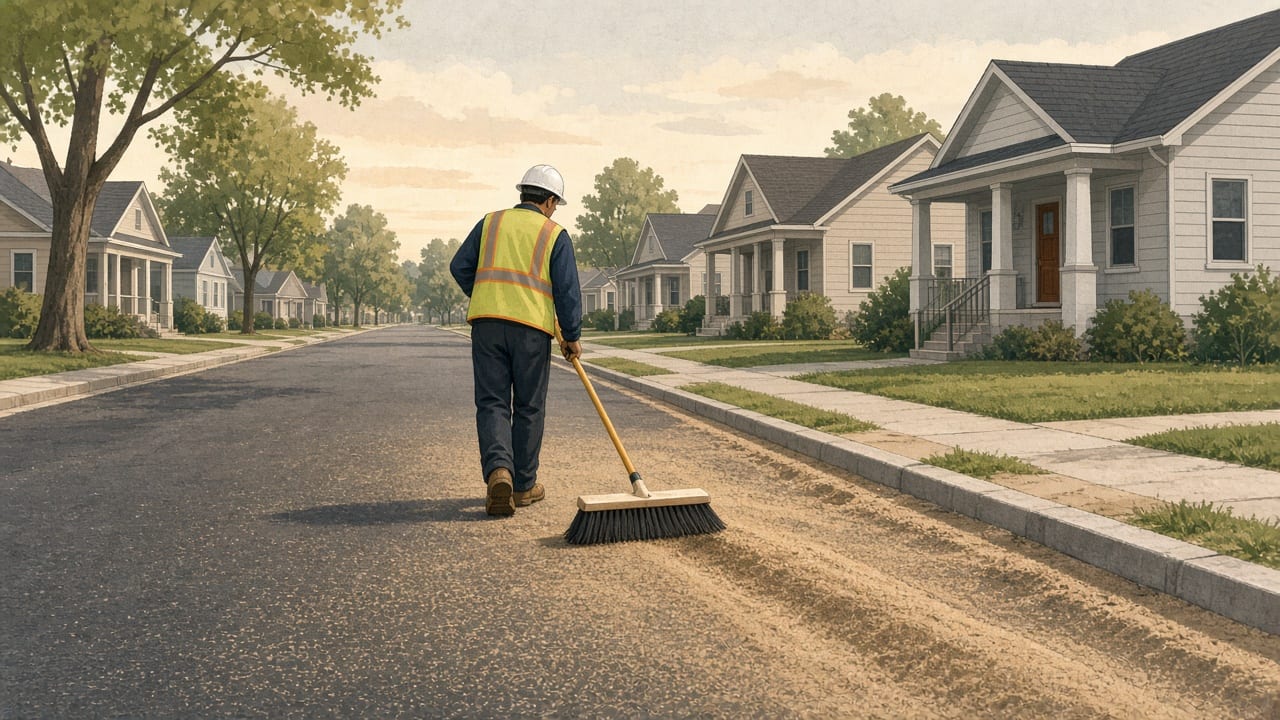
According to the Herald, the spray Hilliard is using penetrates the asphalt to seal out water and restore flexibility, which delays the need for costlier resurfacing or full reconstruction. After it's applied, crews spread a thin layer of sand to absorb excess material and improve traction, then sweep it up.
The idea is simple: interrupt the pothole process before it gets going. A more flexible surface cracks less, and a sealed surface keeps water out. Hilliard picks streets based on pavement condition, traffic volume, the type of deterioration and available funding, which is how preservation is meant to work. The right treatment goes on the right road at the right time.
Prevention and repair work together
Preservation buys time on roads that are still in good condition. It doesn't fix roads that have already failed, and no program catches every defect. Potholes will still show up, especially after a hard winter, on older streets, near utility cuts and wherever drainage is poor.
When they do, the same science applies to the repair. A patch fails the same way a road does: water gets in at the edges, the bond weakens and freeze-thaw cycles pry it loose. A good repair has to grip the surrounding pavement, resist water and stay flexible through temperature swings.
That's what EZ STREET® Ambient® Asphalt is engineered to do. It bonds to asphalt and concrete, works even in wet holes and is thermally resilient, so it's built to hold up through freeze-thaw cycles. It's ready to use with no mixing or tack coat and can carry traffic as soon as it's compacted.
The takeaway for road owners
- Treat good roads while they're still good. Preservation is far cheaper than reconstruction.
- Keep water out. Sealing cracks and keeping drains clear are the best pothole prevention there is.
- Fix defects early and well. A small hole repaired properly doesn't become a big one.
- Use repair materials built for the conditions. A patch is only as good as its bond and its resistance to water and temperature.
Hilliard's spray program is a quiet bit of road science, and it works. Pair it with performance-proven repairs from Ambient® for the potholes that still appear, and roads last longer for less. Learn more at ezstreetasphalt.com.
Source notes: Hilliard Herald (Oct 9, 2026).