


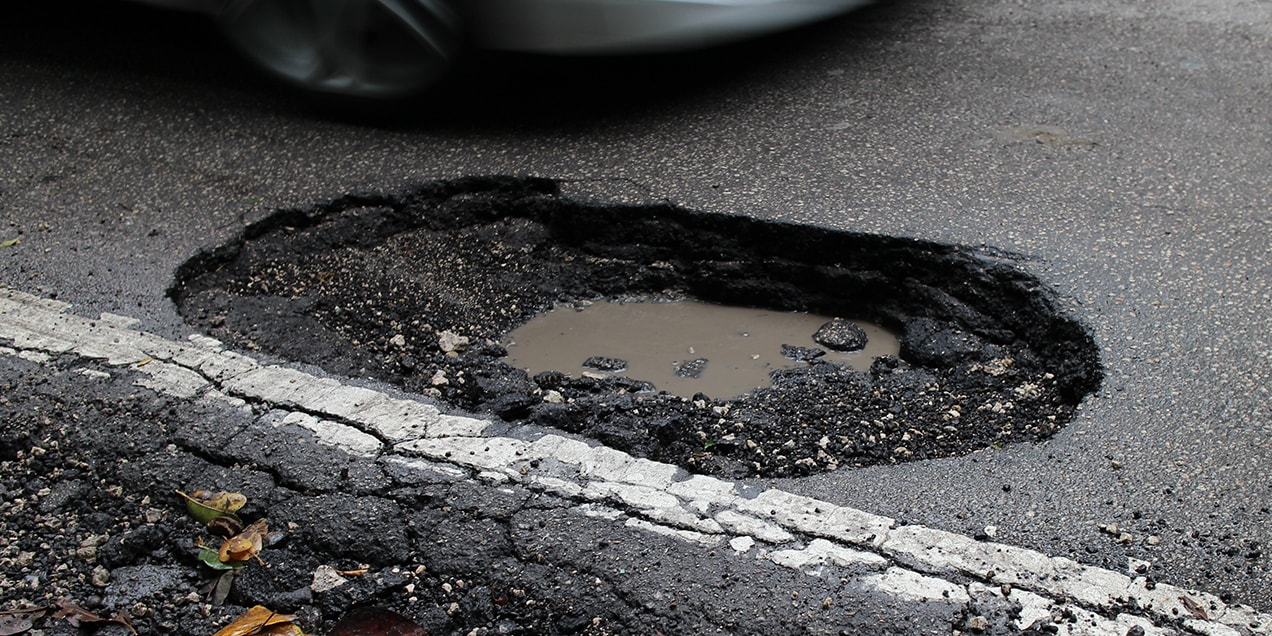
Pothole Plotters February 2010
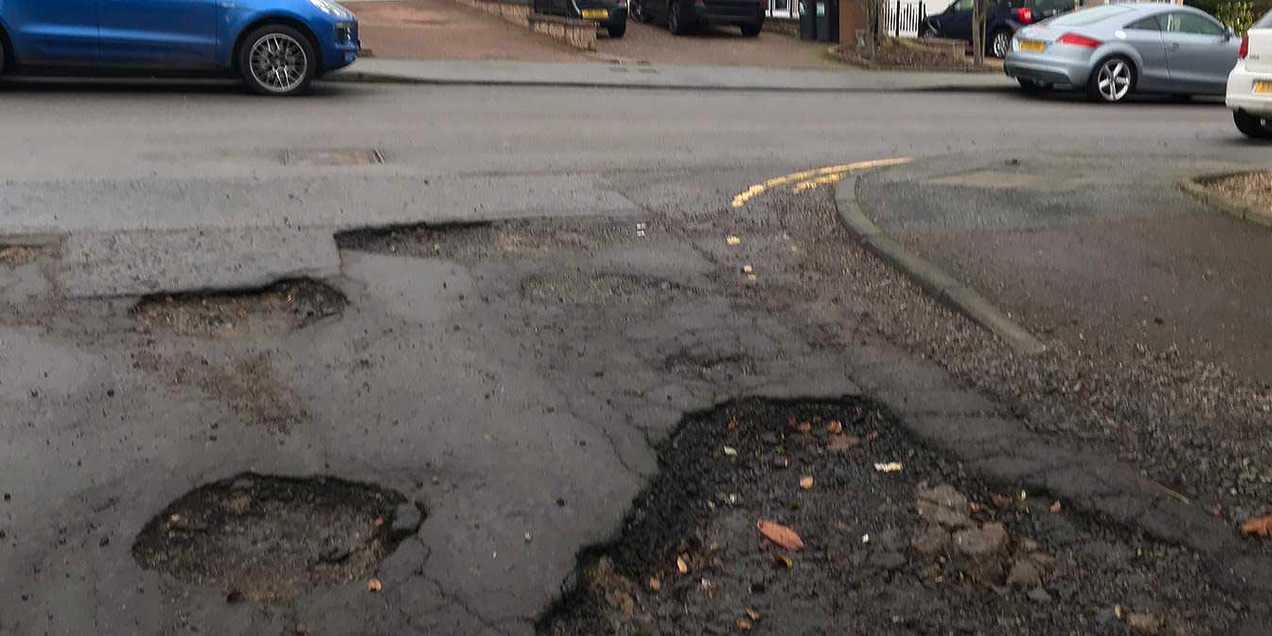
Visit two websites allowing drivers to pin-point potholes in their area.
Focus On Preservation January 2010
As States Turn to Pavement Preservation, Road Repair Methods Improve
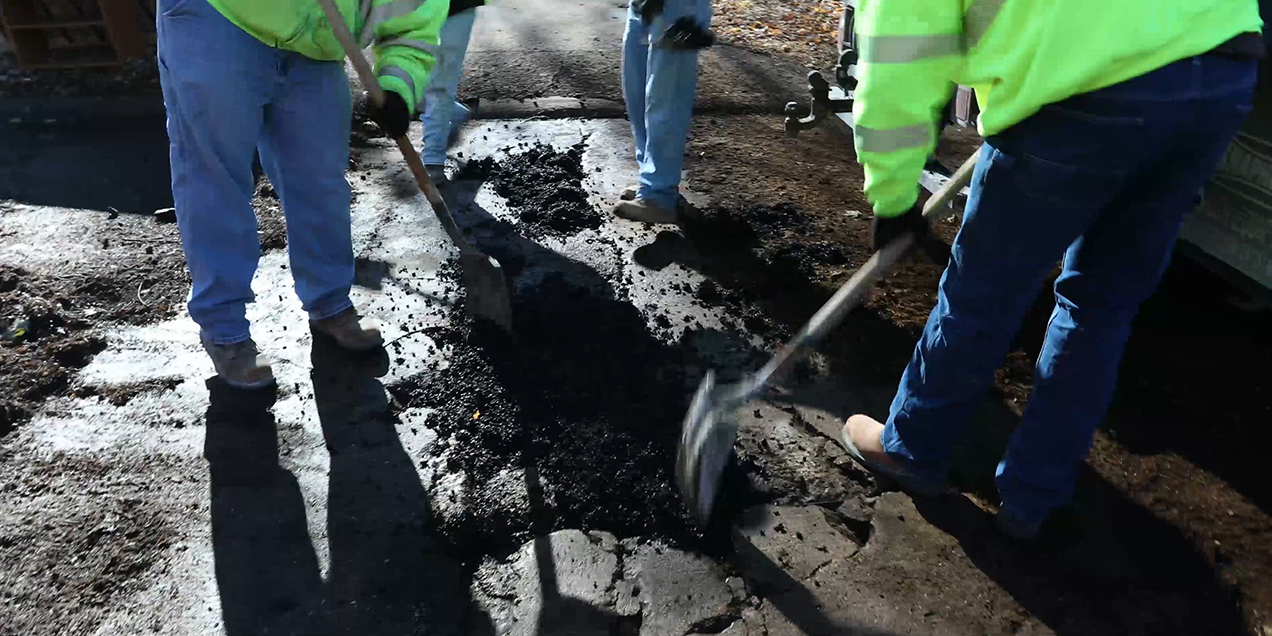
The economics affecting road building and road repair in the current economy are pretty straightforward. Costs for everything are up, funding is down – and road disintegration continues its natural course, unabated.
Economic Dependence On Good Roads January 2010
Pavement Preservation a Smart Road to Better Economies
A highway network is a lot like the human cardiovascular system. Good pavement and minimal construction zones keep a local economy moving, healthy and growing, but potholes and slow-moving construction projects are like plaque – they render regional commerce sclerotic.
Why Can’t They Make Better Roads? January 2010
The problem is all the old streets and highways. But thanks to the SHRP program, better fixes are here.
Man first went to the moon 40 years ago, and today Space Shuttle flights are commonplace. Scientists are beginning to grow spare body parts from stem cells, and the computing power packed into our cell phones continues to evolve at a dizzying pace.
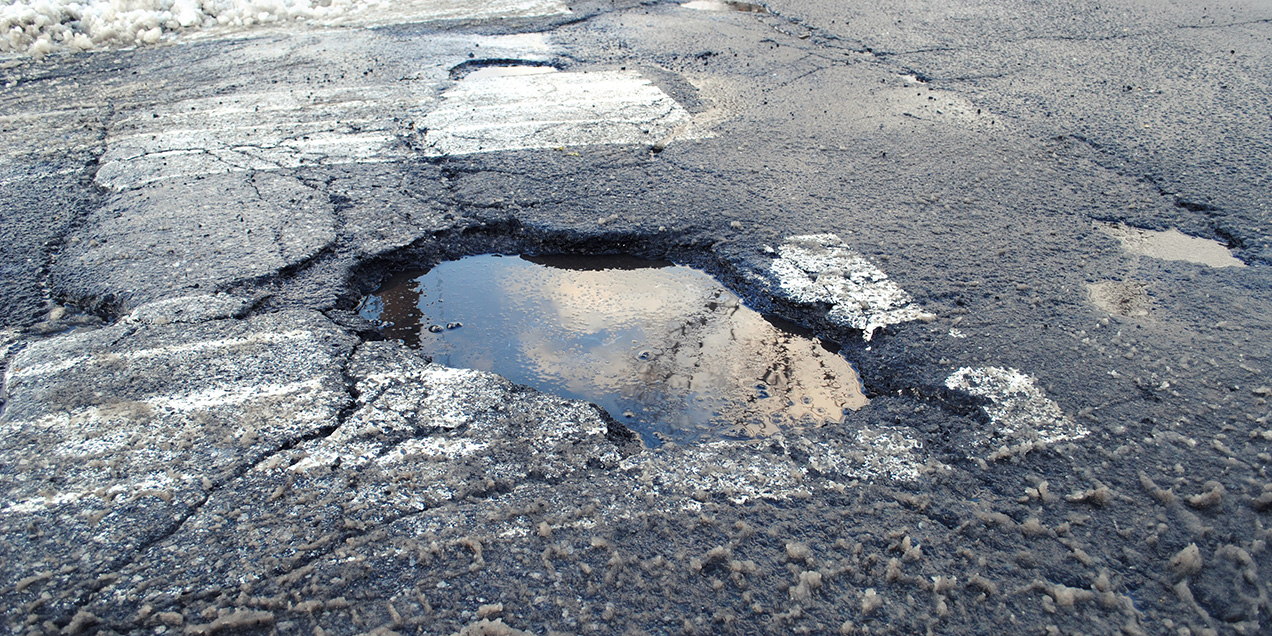
So why are there so many problems with roads and highways? Potholes stretch from Honolulu to Chicago to Nashville and Miami, and the problem only seems to get worse. Can’t we figure out how to make better pavement?
Pavement Preservation: A Proactive Approach to Road Repairs January 2010
Introduction:
If it’s not broken, don’t fix it. It’s a popular cliche that, in the current economic climate especially, holds significant bearing on how people spend their money. In an attempt to stretch dollars already spent, there is a tendency to postpone maintenance until the last possible moment. For example, a car driving down the road with squeaking brakes. So long as they aren’t grinding, the driver is content wearing the pads right down to the rotors. Or the person with a toothache that puts off seeing a dentist until it is unbearable. Even though the tooth is uncomfortable, so long as it’s tolerable, it can wait. While the subjects in these hypothetical situations can keep a few extra bucks in their pockets for the time being, the implications of putting off such issues can be much more expensive than adhering to a proactive, routine maintenance approach.
Pavement Condition Index August 2009
The Pavement Condition Index is a numerical index between 0 and 100 and is used to indicate the condition of a roadway. It is widely used in transportation civil engineering. It is a statistical measure and requires manual survey of the pavement.
The Pavement Condition Index (PCI), developed by the United States Army Corps of Engineers, is based on a visual survey of the pavement and a numerical value between 0 and 100 defines the condition with 100 representing an excellent pavement. The process involves the following steps:
Pay now or Really pay later August 2009
Debunking 3 of the most common excuses to not address a pothole problem
Introduction:
We’ve all seen them, we all hate them, and we all know the damage they can do. Still, potholes all too often are left unattended, leaving commuters vulnerable to serious damages, and in turn, serious repair costs. Below are three of the most common excuses to not address pothole problems. All of the scenarios below are hypothetical, but are entirely plausible. Whether it involves repairing the pothole yourself or making a simple phone call to report the problem, the effort it takes to see that a pothole is addressed is almost always more efficient than the alternative.
Laugh so you don’t cry: The Pothole Funnies July 2009
Yes, it’s hard to laugh when you’re faced with a car repair bill of $400 caused by a surprise pothole. Some people even suffer physical injuries from hitting a street crater, so of course no one is making light of that. But potholes are inevitable. Laugh we must.
NCPP – National Center for Pavement Preservation June 2009
There are nearly 3.95 million miles of public roads in the United States , valued at more than $1.75 trillion. The NCPP will provide a valuable resource to help educate others about the benefits of pavement preservation. It can enhance pavement preservation knowledge through research and assist owner agencies to establish effective programs. These programs extend pavement life and improve motorist safety and satisfaction while saving public tax dollars.
Hate the pothole. Love the filler. June 2009
Spend 20 minutes watching TV news and you’d think the biggest transportation problem today is the auto industry. Bailouts, bankruptcies and acquisitions by foreign companies command the lion’s share of media attention – enough so that we forget about another very expensive transportation problem affecting virtually every driver in the country.