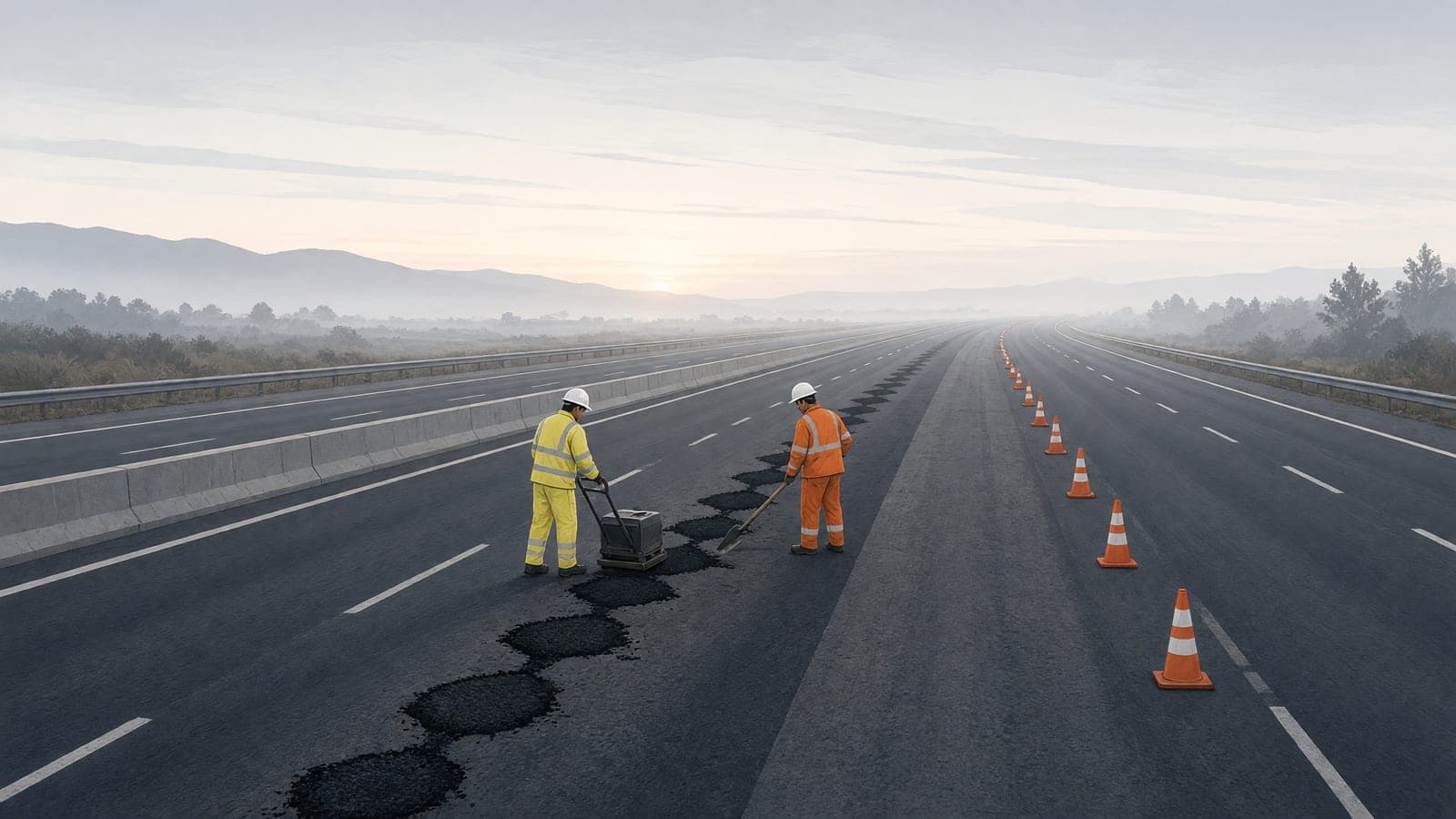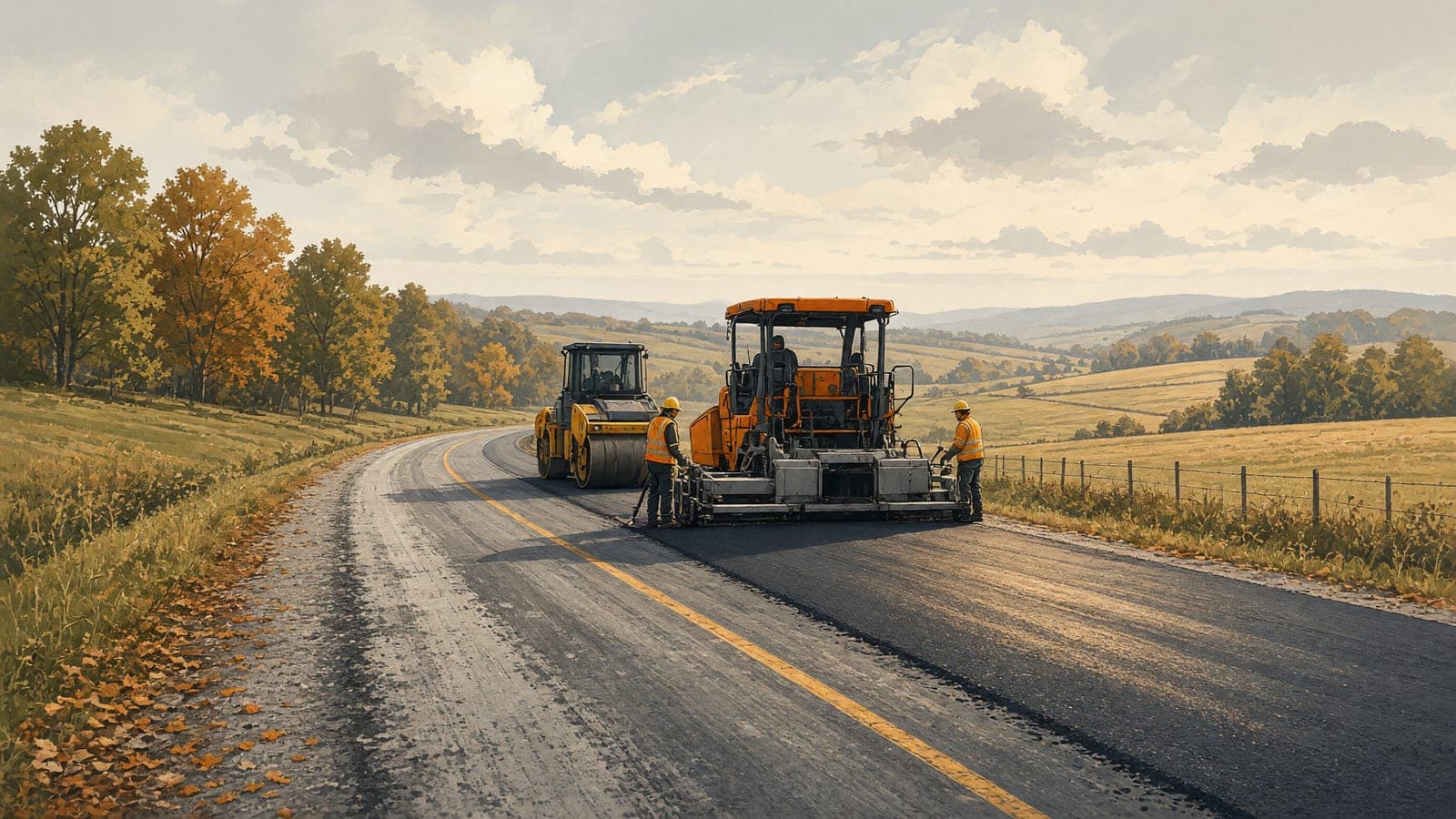
Pennsylvania is trying something every road agency wishes it could do: move paving jobs forward instead of pushing them back.
On September 24, Governor Josh Shapiro and PennDOT Secretary Mike Carroll announced the first $250 million of new funding for 79 "Rapid Deployment Projects" covering more than 400 miles of paving in 44 counties. Over the next 18 months, the state plans to put a total of $775 million from its Motor License Fund into repairing state-owned roads quickly. That's on top of the roughly $4 billion in projects PennDOT expects to send out to bid this year.
Paving that wasn't on the schedule
The local details show what "rapid" means in practice.
In Montour County, a stretch of Route 11 in Danville and Mahoning Township would have received a thinner preservation treatment next year. Instead, it's being milled and resurfaced this fall, with work starting October 5 and expected to wrap up by the end of November, weather permitting.
In Pittston, Luzerne County, four miles of Main Street (Route 2004) and Route 11 were not scheduled for resurfacing within the next five years and would only have received base repairs and crack sealing. Work there also started October 5.
Elsewhere, a Route 77 paving project in Crawford County planned for 2027 started early, and U.S. 40 in Fayette County is getting six more miles of paving than originally planned.
Freeing up crews for the rest of the network
Secretary Carroll made a point that often gets lost in big funding announcements: "Investing in these additional and expanded projects also allows PennDOT maintenance crews and funds to focus on other activities that help preserve our road and bridge system."
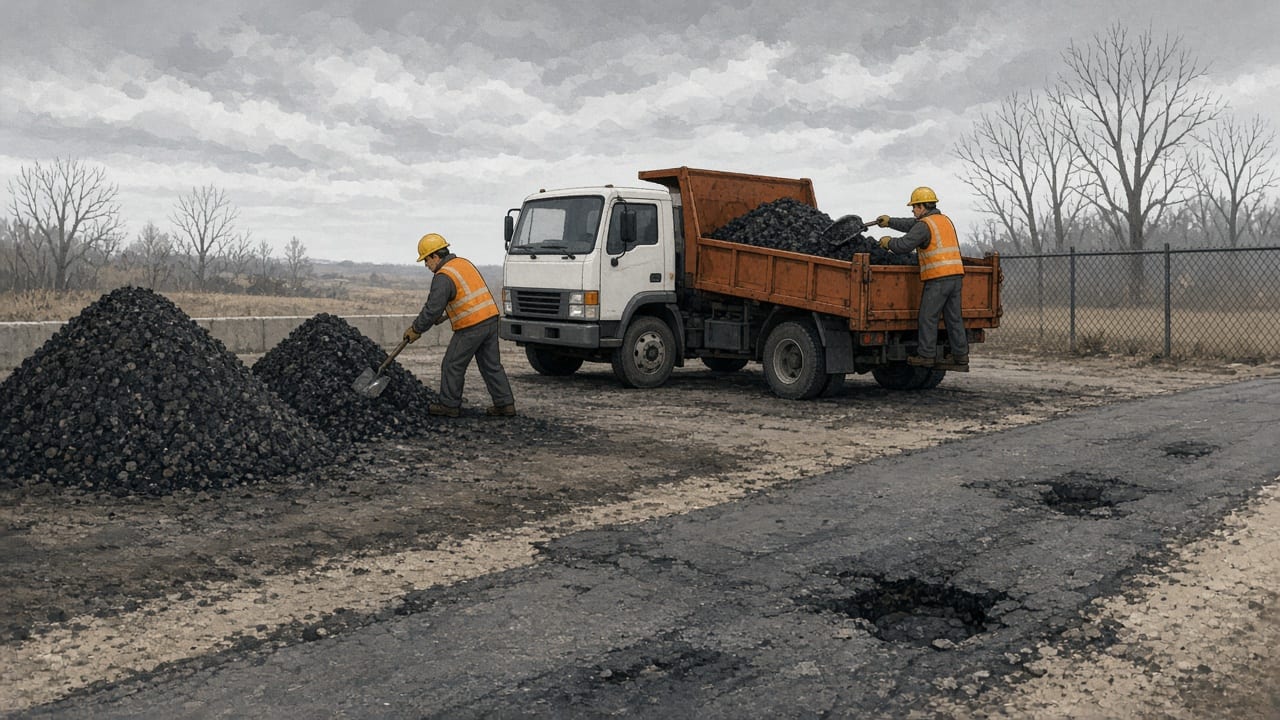
That's the real value. Even a $775 million push can't resurface every mile. Pennsylvania still has tens of thousands of miles of state roads, and winter is weeks away. Crews were out patching potholes on Interstate 81 northbound in Luzerne County on October 10, a reminder that resurfacing and pothole repair happen side by side.
Patching still carries the network through winter
When paving gets the headlines, patching does the daily work of keeping roads safe until the paver arrives. In a freeze-thaw state like Pennsylvania, that work peaks in late winter and early spring, exactly when conditions are hardest on repairs.
That's where material choice matters most. EZ STREET® Ambient® Asphalt is engineered to bond to asphalt and concrete, to work even in wet holes and to carry traffic as soon as it's compacted. It's thermally resilient, so it's designed to hold up through the temperature swings that pop out weak patches. Because it can be stockpiled for months, maintenance yards can be stocked before the first freeze and ready for the calls that follow every thaw.
What other states and counties can learn
- Move good projects forward when money allows. Paving a road before it fails is cheaper than rebuilding it after.
- Use new funding to free up maintenance crews. Pennsylvania's approach lets crews spend more time preserving the roads that aren't getting paved.
- Stock up before winter. The best time to plan pothole repair is before the potholes arrive.
- Make each patch count. Every repair that holds is one less lane closure in February.
Faster paving and smarter patching work best together. Pennsylvania's push shows what more money can do on the paving side. Enduring repairs with materials like Ambient® help make sure the rest of the network gets through the winter in good shape. Learn more at ezstreetasphalt.com.
Source notes: Pennsylvania Governor's Office (Sep 24, 2026); PennDOT District 3 (Oct 1, 2026); PennDOT District 4 (Oct 9, 2026).