Not every city waits for a crisis headline to fund its streets. Some put the programme on the ballot again and ask residents to keep the promise going.
That’s what Norman, Oklahoma did on 7 April 2026. Voters approved Proposition 1, authorising $35 million in bonds for resurfacing, rehabilitation, and reconstruction over five years. City materials stressed that this was not a new tax. It extends the Street Maintenance Bond programme residents have renewed since 2005. The first projects were set to start in August 2026, with the full list finished by 2031. About 180 lane miles are expected to improve under the renewal.
The programme’s design matters as much as the dollar figure. Norman maintains roughly 800 miles of streets. The bond splits into urban asphalt rehabilitation ($9.5 million), urban concrete rehabilitation ($8 million), roadway reconstruction ($7 million), rural road improvements ($5.25 million), and preventative maintenance ($5.25 million). The city uses pavement-condition data to catch streets while they’re still in fair shape, when repairs cost far less than full reconstruction. Its reported average Pavement Condition Index is around 77, above many U.S. peers. Since 2005, earlier bond cycles have maintained, rehabilitated, or reconstructed about 578 lane miles, and city materials say every listed project was completed.
That’s the quiet success story behind the election-night result. Residents keep voting yes when they can see finished streets, not just campaign language. For pavement professionals, the takeaway goes beyond Oklahoma. Preventative maintenance and timely rehabilitation cost less than waiting for failure. A secured bond lets Public Works plan several years ahead instead of living in annual scramble mode. And a published street list builds accountability, because people know which corridors are coming and when.
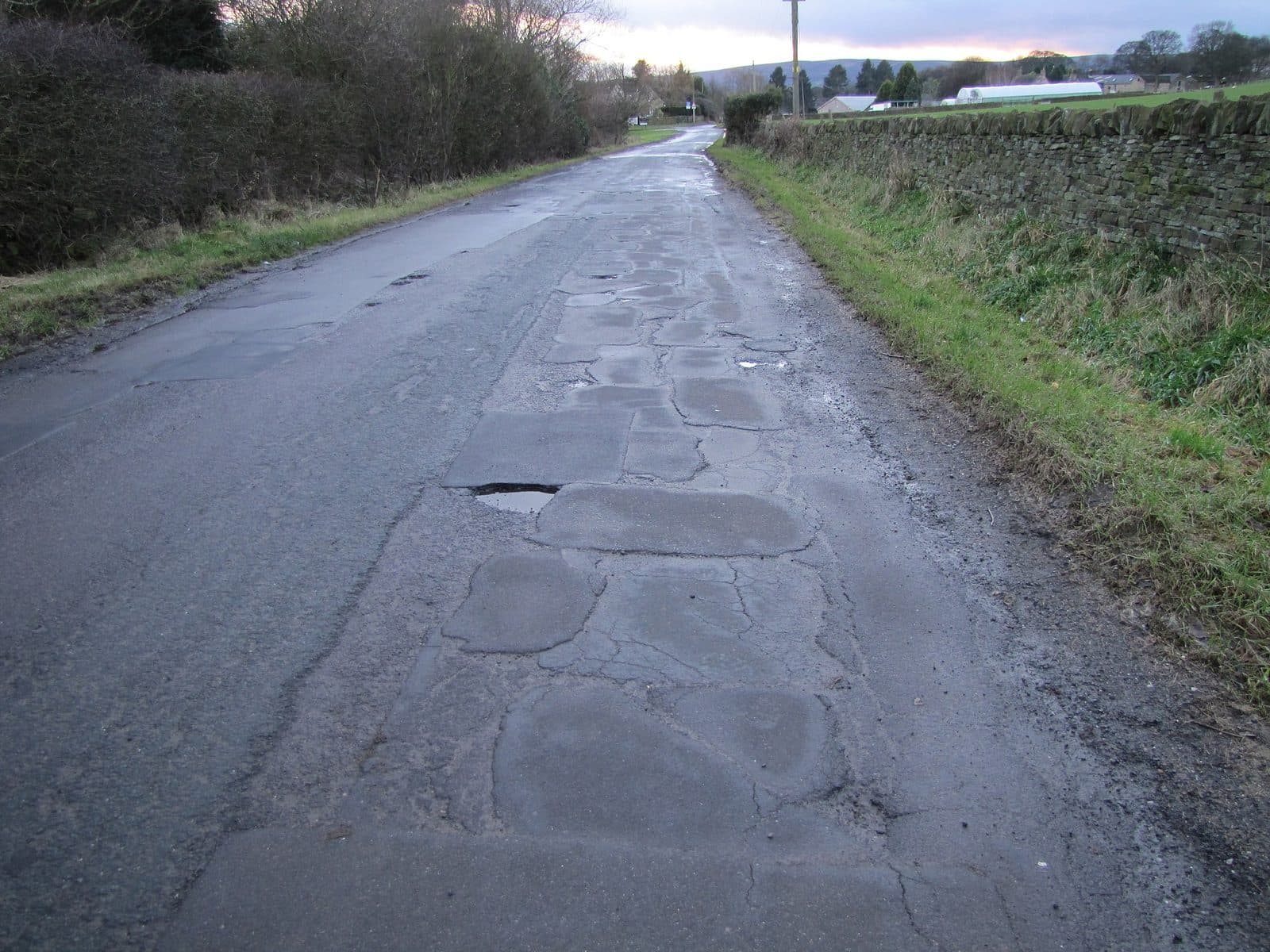
Still, a bond doesn’t fill every hole the day it appears. Between scheduled mill-and-overlays, utility cuts, weather swings, and heavy local traffic, Norman will keep producing defects that need a good interim repair, like any growing city. The same goes for private pavement outside the bond map, such as apartment lots, commercial drives, and school campuses. Capital programmes protect the network. Spot repairs protect people until the capital crew arrives.
That’s where material choice becomes part of the public-value story. EZ STREET® Ambient® Asphalt is an engineered, ready-to-use repair product designed for enduring patches that stay thermally stable. Crews and property managers can stock bags for small defects or order by the ton for larger work. When preparation and compaction are done right, it goes in without on-site heating, so sites stay open instead of looping through temporary fixes. More at ezstreetasphalt.com.
Norman’s voters did their part by funding continuity. The hard part is the same everywhere: turning that money into surfaces that feel better for years, not weeks. Schedule the rehabilitation. Protect streets while they’re still fair. And when a defect shows up between cycles, fill it with something performance-proven, so the next bond conversation starts from pride, not apology.
Source notes: City of Norman (Street Maintenance Bond page); News9 (7 Apr 2026); ezstreetasphalt.com/what-is-ez-street
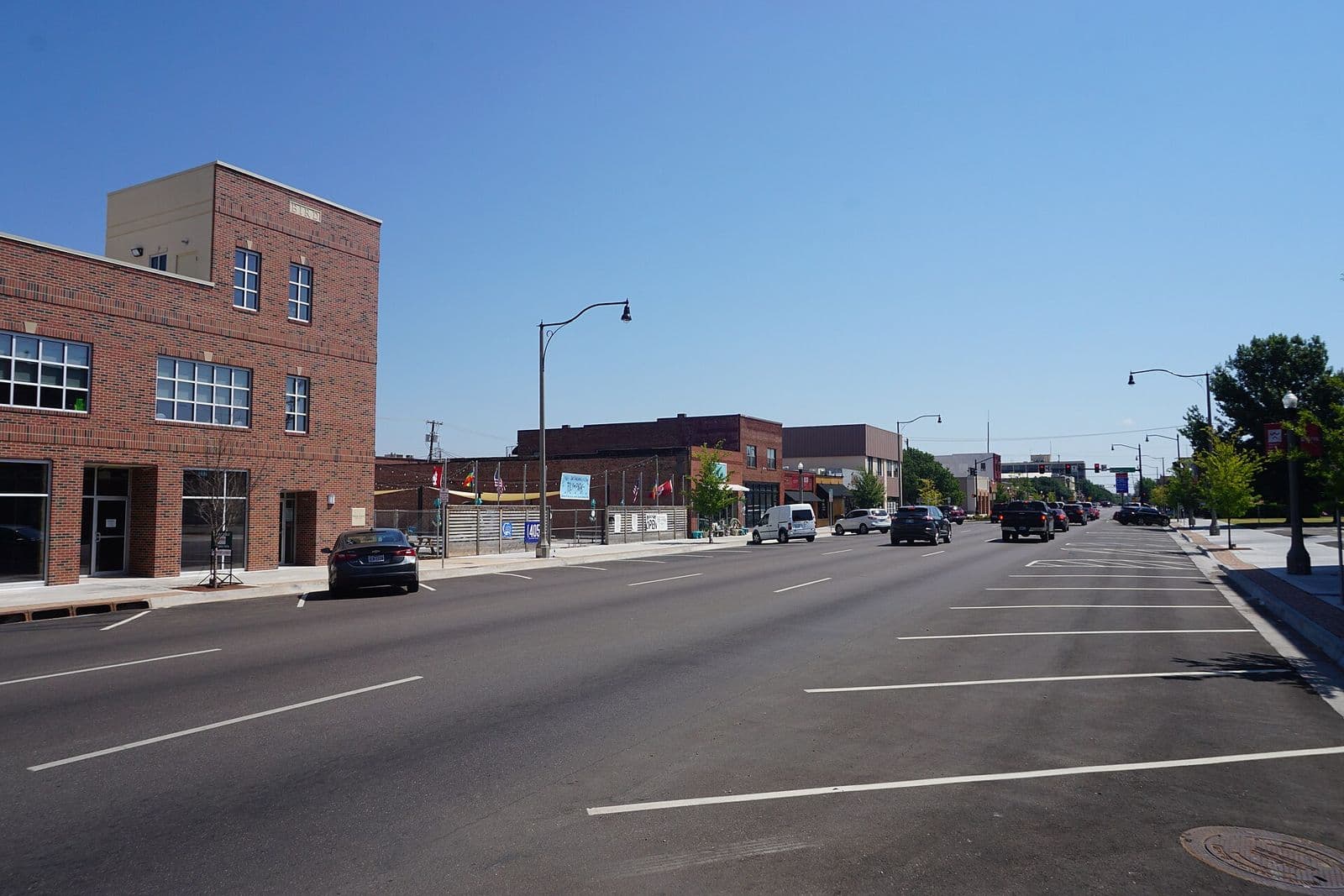
Cover photo: Michael Barera, CC BY-SA 4.0.