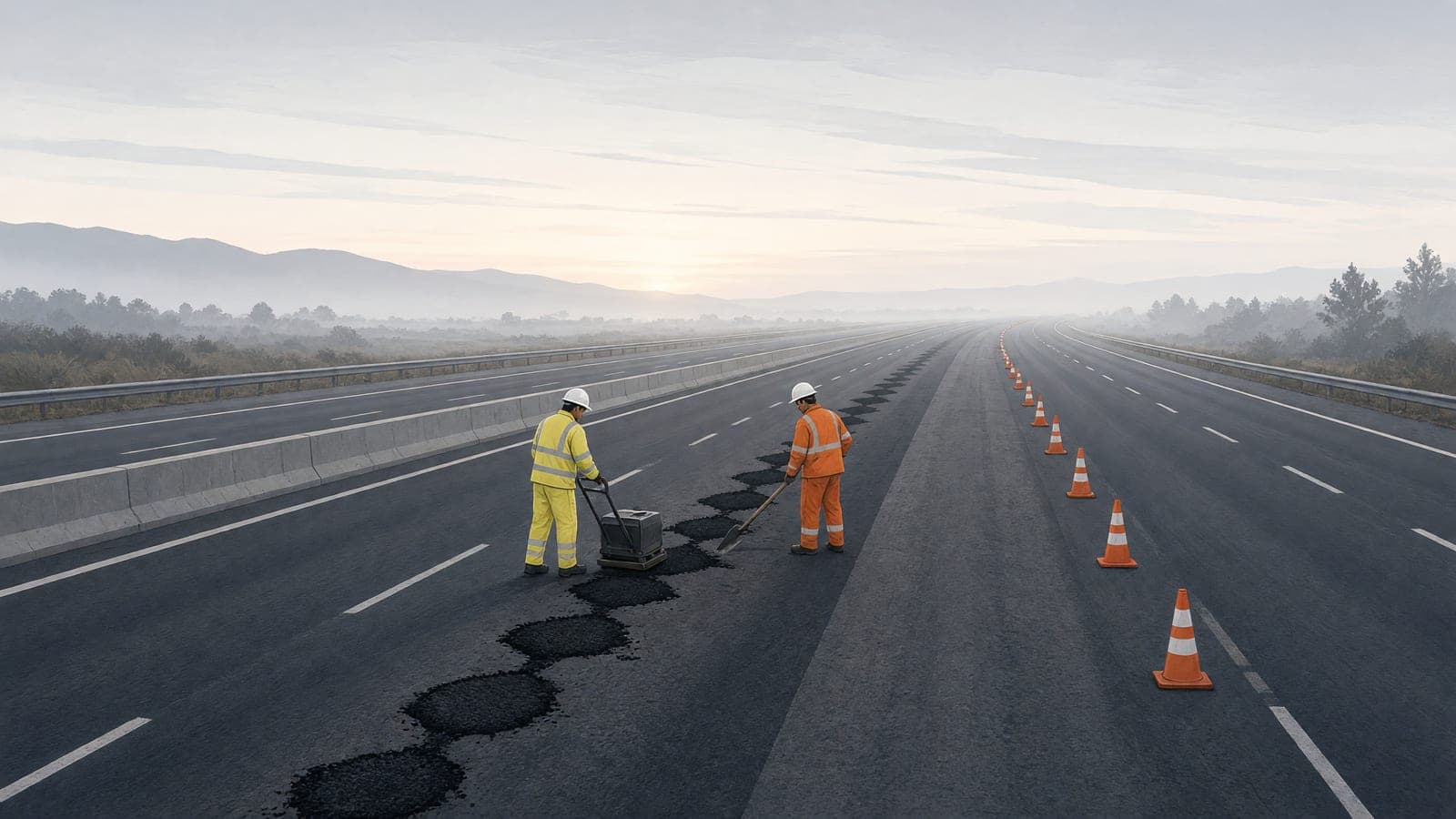
Seattle has a simple promise for drivers: report a pothole, and the city aims to respond within 72 hours. A proposed budget cut puts that promise under pressure, and one councilmember wants to put the money back.
Councilmember Rob Saka, who represents West Seattle and South Seattle, announced a package of 20 budget amendments on October 26. One of them would restore about $1.3 million in pothole repair funding, reversing a 29% reduction in Mayor Katie Wilson's proposed $9.1 billion budget for 2027 and 2028, according to KIRO 7 and MyNorthwest. Saka said the cut could affect the city's ability to meet its 72-hour response commitment.
A tight budget year
The mayor's budget aims to close a projected $175 million General Fund deficit, with nearly $50 million in annual spending reductions. "A tight budget should sharpen our priorities, not weaken our commitment to neighborhoods," Saka said. The council holds a public hearing on November 5 and is expected to adopt the final budget by early December.
What the numbers say
Seattle residents filed about 7,300 pothole complaints through 311 by October 30, down about 6% from the same period last year, according to the city data site Transparent.city. That's a lot of reports for a 72-hour target, and the city's wet winters add more every month.
Why response time depends on repair quality
A fast response is only half the goal. If a patch washes out after the next storm, the same hole goes back into the queue, and the 72-hour clock starts again. Every repeat visit uses budget that could go to a new pothole. When funding is tight, the cheapest repair is the one crews only have to do once.
Where Ambient® fits
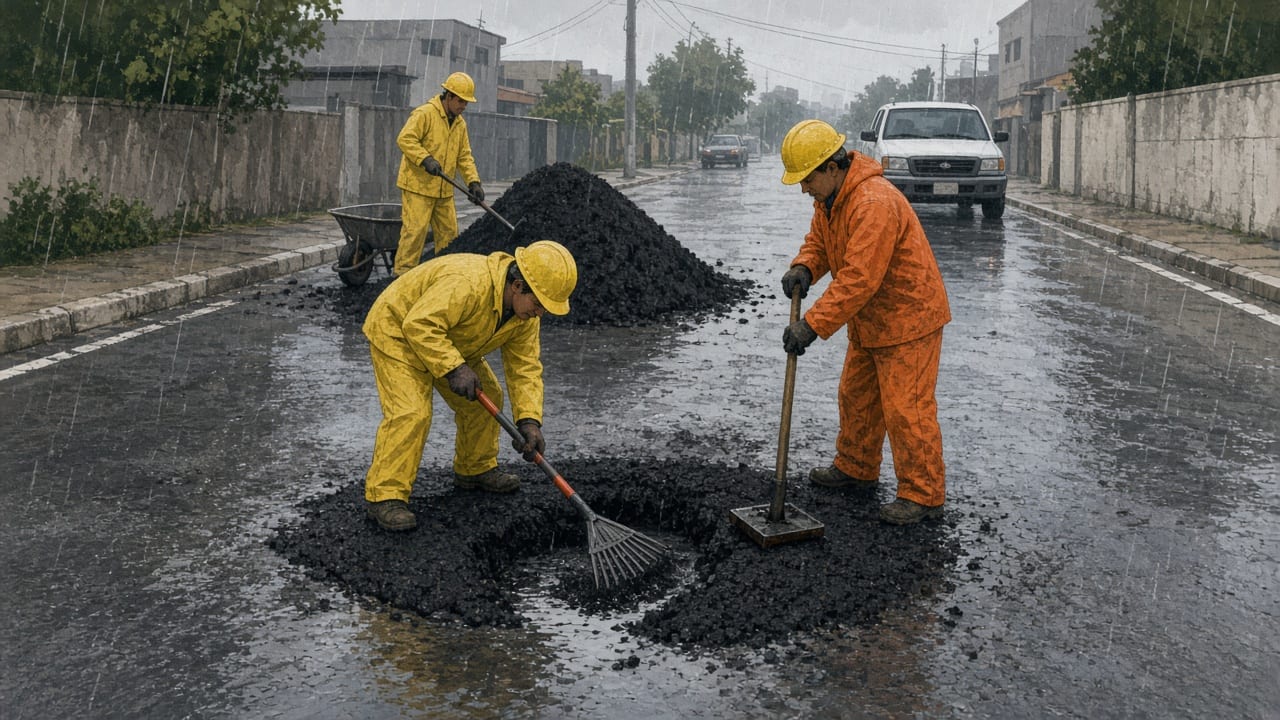
EZ STREET® Ambient® Asphalt is built for wet, busy streets like Seattle's. It's engineered to go into wet holes and holes holding water, bonds to asphalt and concrete, and is ready for traffic as soon as it's compacted. There's no mixing, no tack coat and no plant to wait on, and it can be stockpiled for months, so crews can respond quickly in any season. It's thermally stable, holding together through the temperature swings of a Pacific Northwest winter.
Lessons for other cities
- Response targets need steady funding. A promise to drivers is only as strong as the budget behind it.
- Measure repeat repairs. Fewer return trips make every dollar go further.
- Choose materials for the climate. Wet weather is the rule, not the exception, in many cities.
Whatever the council decides, Seattle's debate shows that how long a repair lasts is a budget question. Enduring repairs with Ambient® help cities keep their promises to drivers. Learn more at ezstreetasphalt.com.
Source notes: KIRO 7 / MyNorthwest (October 27, 2026); Seattle City Council Blog (October 26, 2026); Transparent.city (October 30, 2026).